Too Much of a Good Thing: How Overeating Healthy Foods Can Harm Your Body
Spinach, beetroot, nuts, tuna and liver are nutritious, but experts say eating them in excess can raise the risk of kidney stones, mercury exposure, liver damage and weight gain.

Eating too much spinach, beetroot, nuts, tuna or liver can raise the risk of kidney stones, mercury exposure and vitamin A toxicity. Learn why moderation matters.
Healthy foods can still cause harm when eaten in excessive amounts, according to medical and nutrition experts. Spinach, beetroot and nuts are rich in oxalates, which can contribute to kidney stones; some fish such as tuna can expose you to mercury; and too much preformed vitamin A can damage the liver. The risk depends on portion size, how often you eat the food, your health conditions and your overall diet, so moderation and variety matter most.
Spinach, Beetroot and Nuts: Oxalates and Kidney Stones
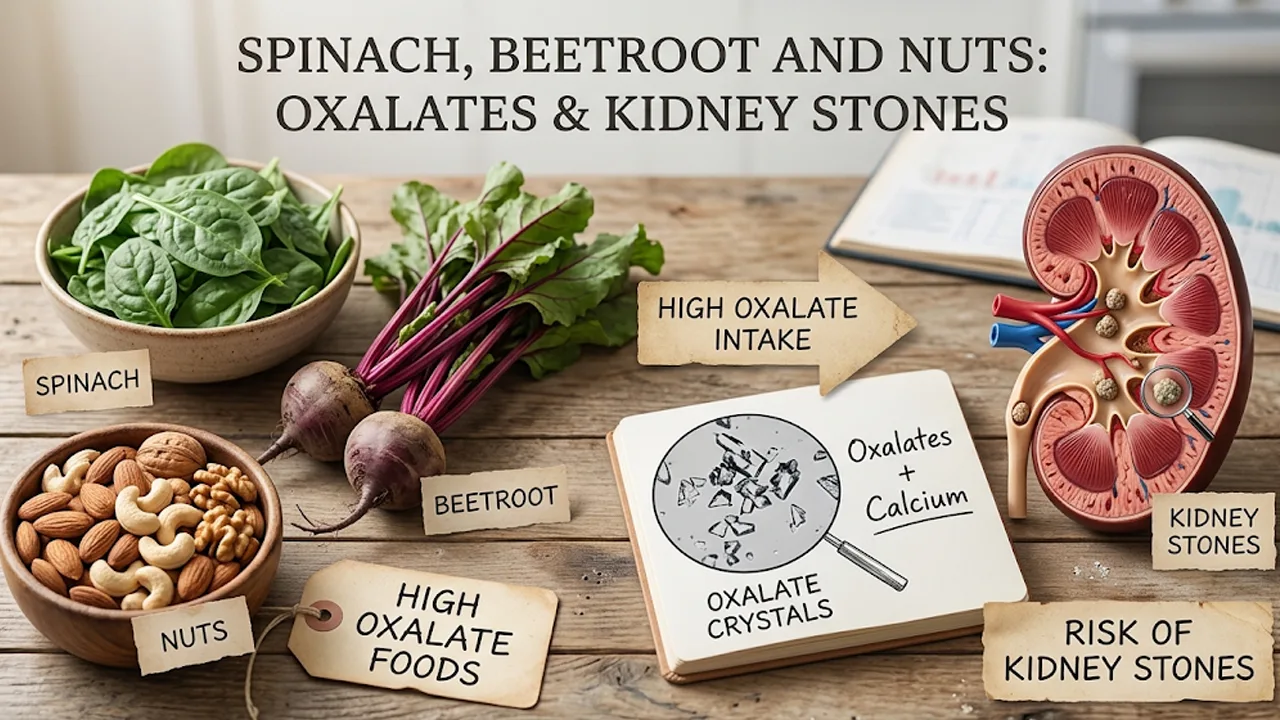
These foods contain oxalates, natural compounds that can bind with calcium and contribute to calcium oxalate kidney stones in susceptible people. The risk depends on individual susceptibility, hydration and overall diet. People with a history of kidney stones may need specific dietary advice rather than cutting out every oxalate-containing food.
Tuna and Other Large Fish: Mercury
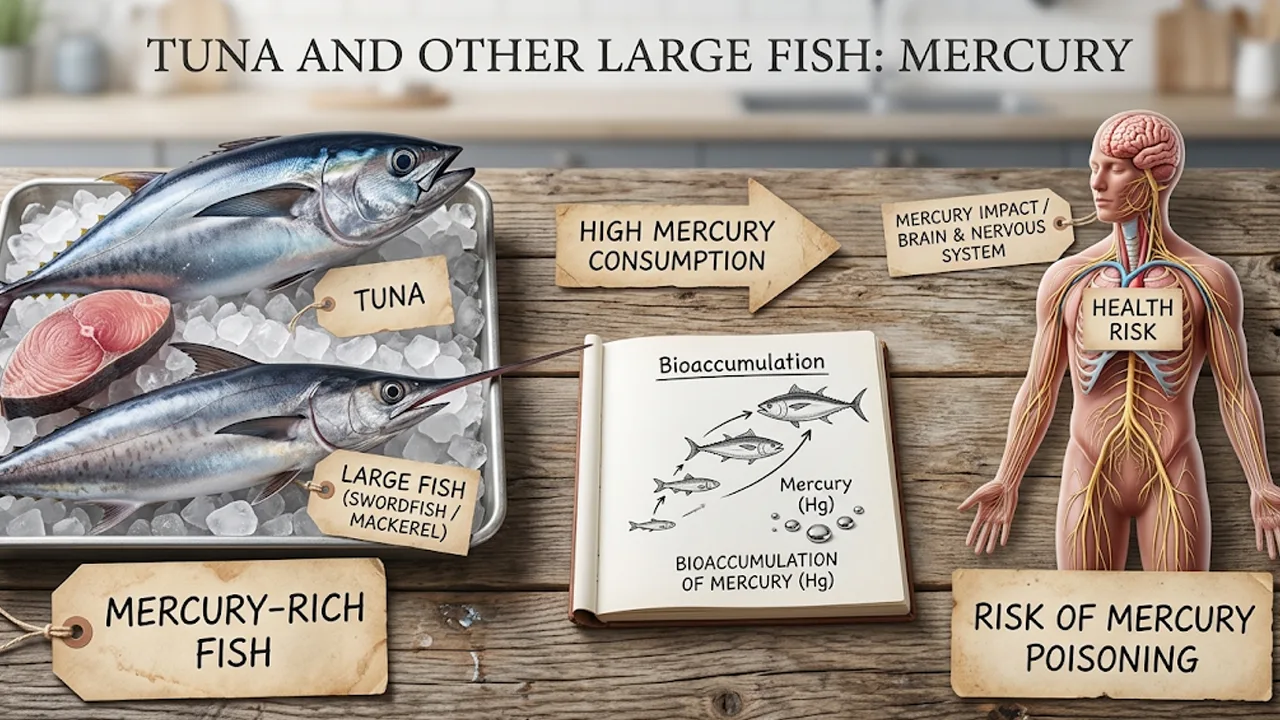
Fish is an important source of protein and other nutrients, but mercury levels vary between species. Tuna and some other large predatory fish can contain more mercury, a toxic metal that can damage the nervous system when exposure is high or prolonged. Follow recommended consumption guidance rather than eating the same high-mercury fish in large amounts every day.
Liver and Vitamin A
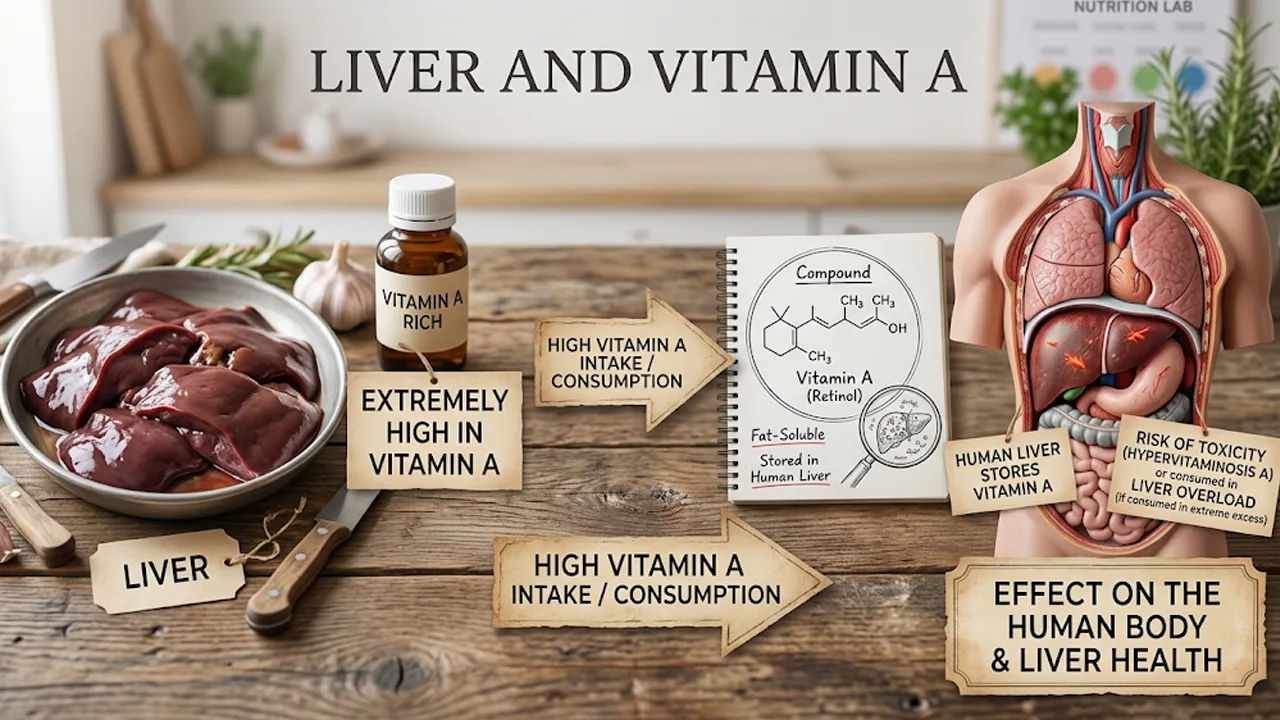
Too much preformed vitamin A can be toxic and damage the liver. Liver is especially rich in preformed vitamin A. Carrots and sweet potatoes contain beta-carotene, which the body converts into vitamin A as needed, so they do not carry the same toxicity risk.
Nuts: Healthy but Calorie-Dense
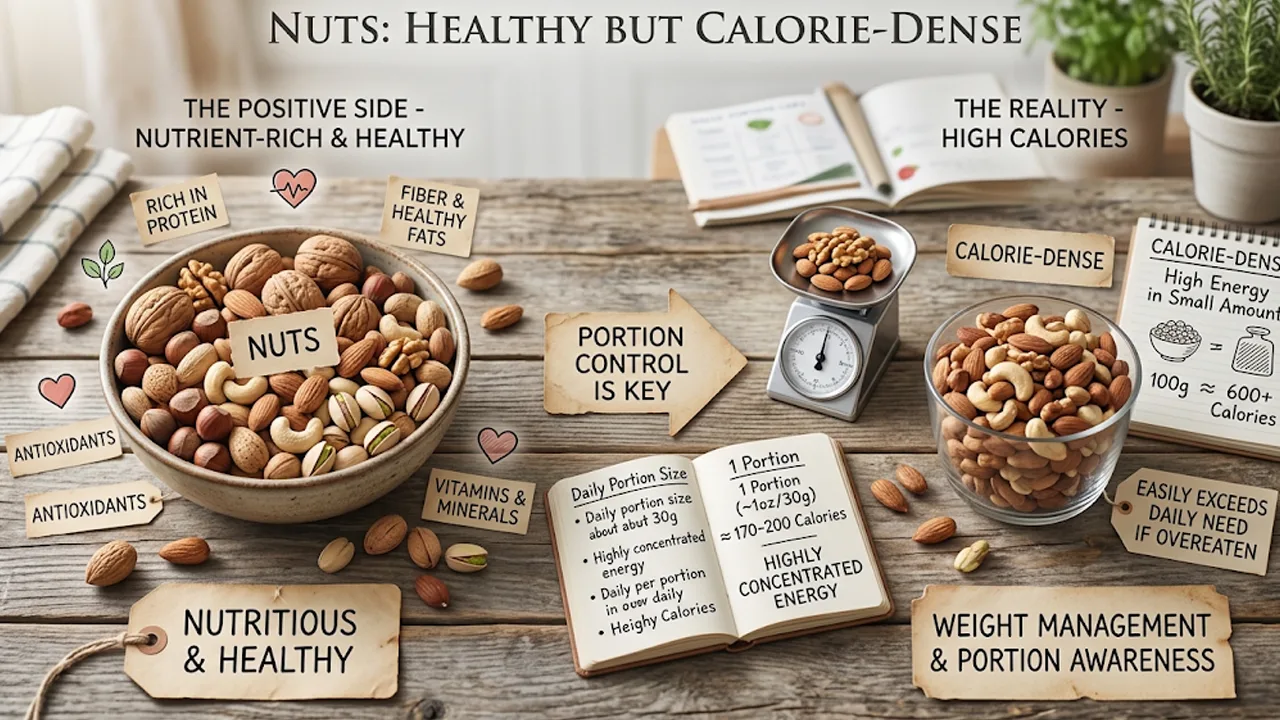
Almonds, walnuts and cashews provide healthy fats, protein, fibre and essential nutrients, but large portions can add excess calories and lead to weight gain over time. Eating too many, especially if intake rises suddenly or you do not drink enough fluids, may also cause digestive discomfort.
The Takeaway
Healthy eating is about both choosing nutritious foods and eating them in appropriate amounts. A varied diet of fruits, vegetables, whole grains, protein sources and healthy fats helps you get essential nutrients without overdoing any one food.
This article is for general information and is not personal medical advice. If you have a health condition, speak to your doctor or a qualified nutritionist.
Related stories
 Health
DRAP Makes 2D Barcodes Mandatory on All Medicines: How to Verify Your Medicine by Scanning
 Health
PM Shehbaz Calls for a Comprehensive National Strategy to Prevent Diabetes
 Health
Punjab Reports 57 Dengue Cases in September, Rawalpindi Most Affected
 Health
Brelovitug: Experimental Hepatitis D Drug Meets Main Goal in Late-Stage Study
 Health
Dar Welcomes Adoption of WHO Pandemic Treaty
 Health