Brelovitug: Experimental Hepatitis D Drug Meets Main Goal in Late-Stage Study
Mirum Pharmaceuticals' monoclonal antibody achieved viral reduction and normal liver enzymes in over half of patients at the 300mg dose, versus 0% in the delayed-treatment group.
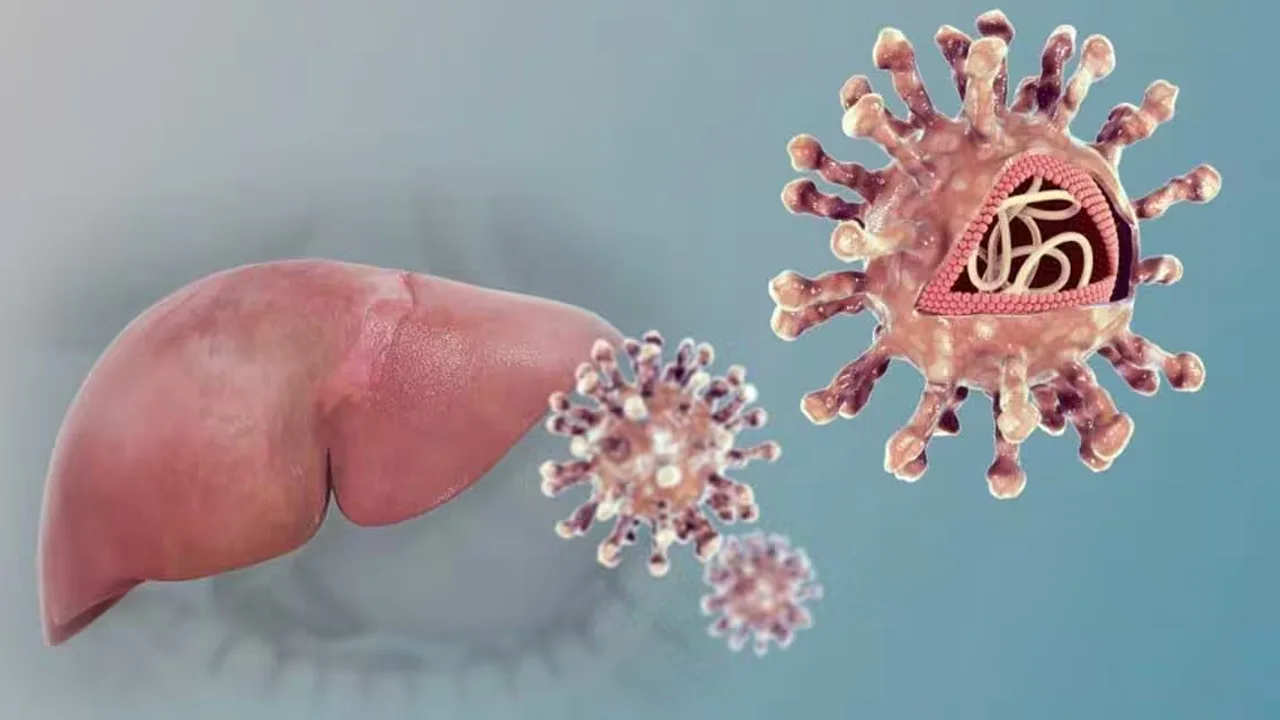
Mirum Pharmaceuticals' experimental drug brelovitug meets its main goal in a late-stage hepatitis delta study, with an FDA submission planned for 2027.
Mirum Pharmaceuticals said Monday its experimental hepatitis drug brelovitug reduced levels of the virus in patients, meeting the main goal of a late-stage study. At 24 weeks, 56% of patients on the 300mg dose and 45% on the 900mg dose achieved both a reduction in hepatitis D virus levels and normal liver enzyme levels, compared with 0% in the delayed-treatment group. Mirum said the treatment was well tolerated across all dose groups, with a safety profile consistent with previously reported data.
About the Drug and Disease
Brelovitug is a monoclonal antibody designed to target the hepatitis B surface antigen, being evaluated for chronic hepatitis delta virus — a rare liver infection that can only occur in people already infected with hepatitis B. The disease often leads to severe symptoms and can progress to significant liver damage. Mirum estimates about 230,000 people in the US and Europe live with hepatitis delta.
What's Next
Mirum plans to present full results at an upcoming medical congress and expects to submit a marketing application to the US FDA in the first half of 2027.
Related stories
 Health
Dar Welcomes Adoption of WHO Pandemic Treaty
 Health
GCU Student Completes 1,100km Lahore-to-Skardu Run in 21 Days
 Health
Punjab to Build Modern Cancer Centres in 4 More Cities
 Health
KP Government Proposes Top-Up Health Package Under Sehat Card Plus Programme
· 4 min read Health
Mustafa vows to bring health sector at par with int’l standards
 Health