Olive Oil Before Meals: Can This Simple Habit Help Control Blood Sugar?
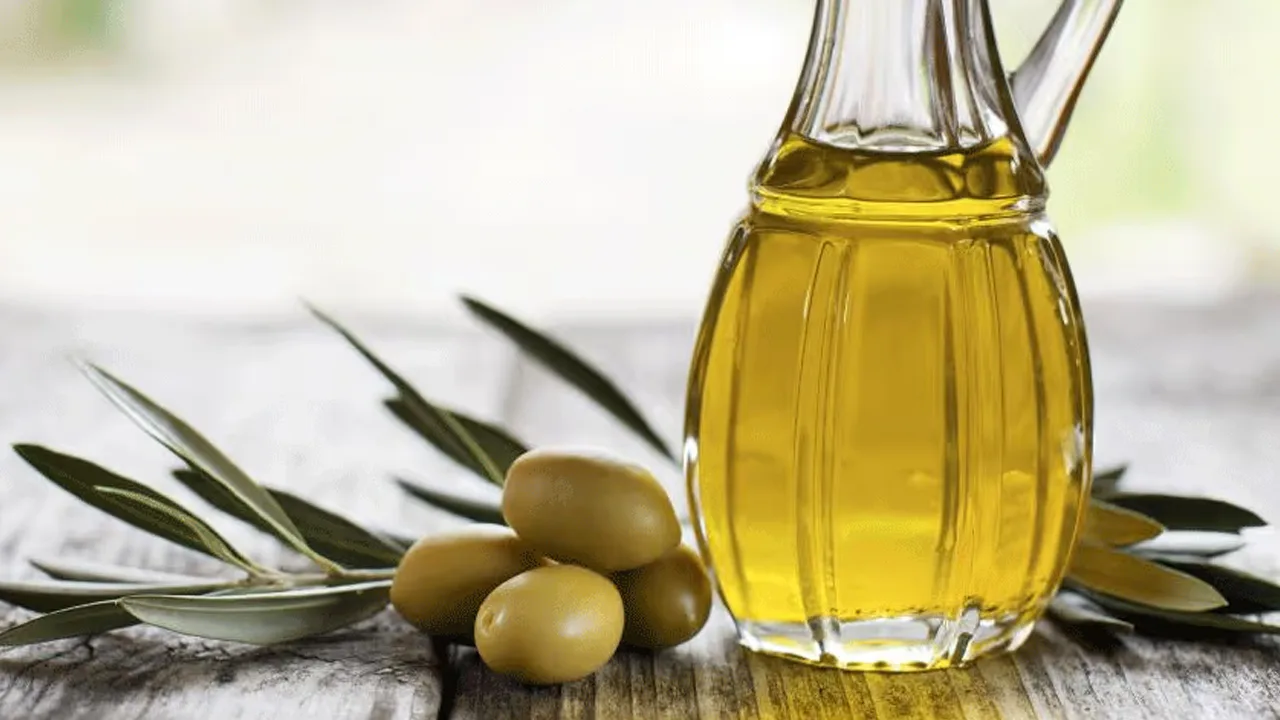
Can olive oil before meals reduce blood sugar spikes? Learn what recent research says about olive oil, digestion, and diabetes management.
Olive oil is widely used in healthy diets, but recent research has raised an interesting question: could consuming olive oil before a meal help control blood sugar levels?
A study published in October 2026 found that giving olive oil to mice before glucose reduced the early rise in blood sugar compared with giving it afterward. However, researchers have not yet established whether the same approach provides meaningful long-term benefits for humans.
How Could Olive Oil Affect Blood Sugar?
Olive oil contains fats that may slow the movement of food from the stomach into the small intestine. This process, known as gastric emptying, can influence how quickly glucose enters the bloodstream.
When glucose enters the bloodstream more slowly, the rise in blood sugar after eating may also happen more gradually.
Researchers believe that gut hormones and nerve signals may contribute to this effect. However, the recent findings came from animal research and need further testing in humans.
What Does Research Say About Humans?
Some smaller human studies have found that meals containing extra-virgin olive oil may produce a lower rise in blood sugar after eating. However, the results vary, and evidence does not establish that taking a spoonful or a shot of olive oil before every meal improves long-term diabetes control.
A 2026 review of 51 randomised controlled trials involving 4,334 adults also found no significant overall improvement in blood glucose or long-term blood sugar control from olive oil consumption. Some analyses suggested possible benefits for insulin resistance, but further research is needed.
Should You Drink Olive Oil Before Every Meal?
Olive oil can be part of a balanced diet, especially when it replaces fats higher in saturated fat. However, drinking it before meals should not be considered a proven treatment for diabetes.
Olive oil is also calorie-dense, so consuming large amounts may increase daily calorie intake.
People with diabetes should continue following their prescribed treatment and monitoring their blood sugar levels. They should not change their medication based on early research findings.
The Bottom Line
Olive oil may influence how quickly blood sugar rises after a meal, but the strongest recent evidence for taking it before glucose comes from animal research. More human studies are needed to determine whether this habit offers reliable health benefits.
For now, using olive oil as part of a balanced diet is more evidence-based than relying on it as a standalone method of controlling blood sugar.
Related stories
 Health
Childhood Cancer: Four Warning Signs Parents Should Know
 Health
Cloves May Help Strengthen Bones, Research Suggests
 Health
 Minister: 2D Barcodes Mandatory on All Medicines
 Health
Too Much of a Good Thing: How Overeating Healthy Foods Can Harm Your Body
· 2 min read Health
DRAP Makes 2D Barcodes Mandatory on All Medicines: How to Verify Your Medicine by Scanning
 Health