Pakistan's Interest Rate Hits 12%: What Does It Mean for You?
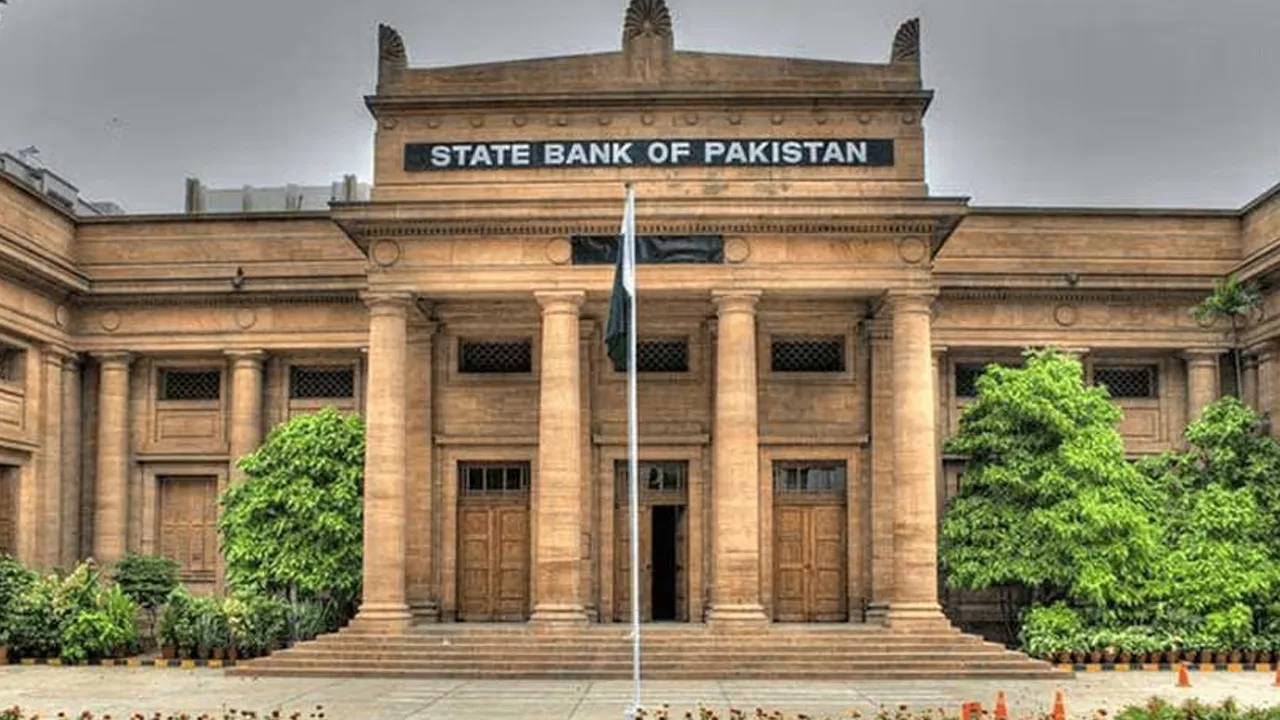
Pakistan's central bank raises the policy interest rate to 12% amid inflation concerns and rising oil prices. Find out what the decision means.
Pakistan's central bank has increased the policy interest rate by 0.5 percentage points, taking it from 11.5% to 12% on October 26, 2026. The decision comes amid concerns about inflation, rising global oil prices, and economic uncertainty.
The Monetary Policy Committee approved the increase after reviewing the country's economic conditions and the risks affecting prices and financial stability.
Why Has the Interest Rate Increased?
Rising international oil prices and ongoing tensions in the Middle East have increased concerns about inflation. Higher energy costs can affect transportation, production, and the prices of goods across the economy.
The central bank's decision aims to address inflationary pressures and reduce the risk of further price increases.
How Could This Affect Ordinary People?
The interest rate decision could affect people and businesses in different ways.
For borrowers: People with loans linked to changing interest rates may face higher borrowing costs, depending on their loan terms and the rates charged by their banks.
For businesses: Companies that depend on bank financing could face higher costs when borrowing money for expansion or daily operations.
For savers: Some savings products may offer better returns when interest rates rise, although the actual return depends on each bank's rates and account conditions.
What Happens Next?
The impact of the rate increase will depend on future inflation figures, global oil prices, and domestic economic conditions. The central bank will continue to assess these factors when making future monetary policy decisions.
For households and businesses, understanding borrowing costs and comparing available financial options will remain important as economic conditions change.
Related stories
 Business
New Lahore-Pindi Motorway to Cut Travel by 100km
 Business
Google Hosts Think Apps 2026 at Lahore Fort
 Business
WB Vows Support for Digital Skills Among Pakistani Youth
 Business
Four NHA Projects Planned Under Public-Private Partnership
 Business
Aurangzeb Reaffirms Stability, Meets Banks and UNDP Chief
 Economy