Childhood Cancer: Four Warning Signs Parents Should Know
Health experts say persistent fatigue, pale skin, unexplained bruising and lumps that do not go away should be checked by a doctor.
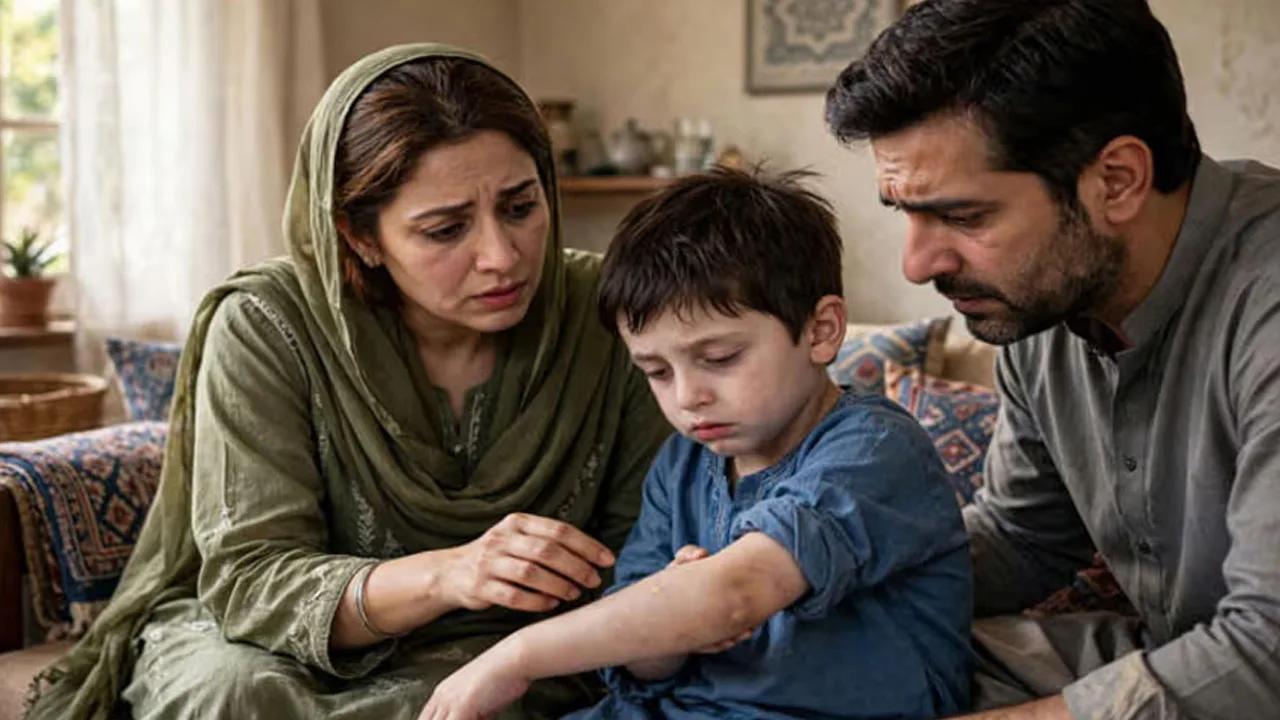
Persistent fatigue, pale skin, unexplained bruising and lumps that do not go away may need a doctor’s check in children; early diagnosis improves outcomes.
Health experts advise parents not to ignore unusual tiredness, pale skin, unexplained bruising or persistent lumps in children, as these can sometimes be signs of cancer. Childhood cancer is relatively rare, and its early signs can be mistaken for common illnesses, minor injuries or everyday tiredness, which can delay diagnosis.
Four Warning Signs
Persistent fatigue: unusual or severe tiredness that does not improve with rest.
Pale skin: noticeable paleness with no obvious explanation.
Unexplained bruising: bruises without a clear injury, especially if they recur or increase.
Persistent lumps or swelling: lumps that do not go away or keep growing.
Professor Bob Phillips, a childhood cancer specialist, advises parents to look at the overall pattern of symptoms rather than a single sign. These symptoms do not necessarily mean cancer, as they can have many other causes, but parents should seek medical advice if they persist, worsen or appear together.
The “Rule of Three”
The Children’s Cancer and Leukaemia Group (CCLG) is running an awareness campaign for parents and health professionals. It promotes a “Rule of Three” for clinicians, suggesting further assessment or specialist referral when a child has three persistent symptoms, has attended three separate appointments or has had unexplained symptoms for three weeks. It is not a diagnostic test, and parents should not wait for three symptoms or three weeks if a child’s condition is worsening.
Early Diagnosis
According to the report, which cites UK data, more than eight in 10 children diagnosed with cancer now survive for five to 10 years or longer, and outcomes have improved considerably since the 1970s. Professor Phillips said earlier diagnosis can also mean some children need less intensive treatment.
When to See a Doctor
Arrange a medical assessment if a child has persistent unexplained fatigue, unusual paleness, repeated bruising, growing lumps or other symptoms that do not improve, and seek prompt advice if symptoms worsen or several changes occur together. This article is for general awareness and is not medical advice.
Related stories
 Health
Cloves May Help Strengthen Bones, Research Suggests
 Health
Health Minister: 2D Barcodes Mandatory on All Medicines
 Health
Too Much of a Good Thing: How Overeating Healthy Foods Can Harm Your Body
· 2 min read Health
DRAP Makes 2D Barcodes Mandatory on All Medicines: How to Verify Your Medicine by Scanning
 Health
PM Shehbaz Calls for a Comprehensive National Strategy to Prevent Diabetes
 Health