Saudi Arabia Sends Key Delegation to Tehran: Can Talks Ease Regional Tensions?

Saudi Arabia sends a delegation to Tehran alongside Pakistan and Türkiye to reduce regional tensions, support diplomacy, and promote lasting peace.
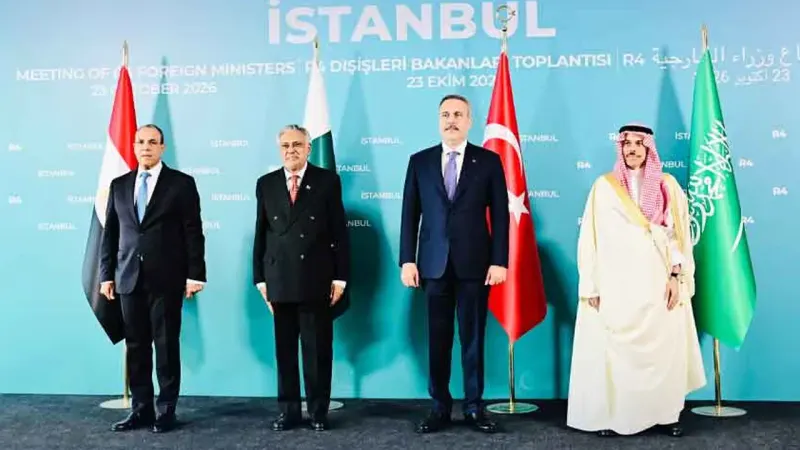
Saudi Arabia has said that its delegation's visit to Tehran aims to reduce regional tensions and encourage diplomatic solutions. The visit, taking place on October 26, 2026, brings together representatives of Saudi Arabia, Pakistan, and Türkiye for discussions with Iranian officials.
The initiative is part of ongoing efforts to prevent further escalation and promote dialogue between the countries involved in the regional crisis.
Why Is the Tehran Visit Important?
The talks come at a time of growing security concerns across the Middle East. Tensions involving Iran, the United States, and Israel, along with attacks affecting Saudi Arabia, have increased concerns about further conflict.
Saudi officials have emphasised the importance of opening channels for negotiations and finding diplomatic ways to address the crisis.
Pakistan and Türkiye Also Join the Talks
Pakistan and Türkiye are participating alongside Saudi Arabia in the diplomatic initiative. Pakistan's Field Marshal Asim Munir and Türkiye's intelligence chief Ibrahim Kalin are expected to take part in discussions with Iranian representatives.
The meeting is being held under the framework of the Makkah Joint Defence Agreement, which aims to strengthen cooperation among its member countries.
Pakistan has also played a role in supporting mediation efforts between Iran and the United States, making its participation important to the wider diplomatic process.
Can Diplomacy Help Prevent Further Conflict?
The main objective of the discussions is to reduce tensions, improve regional security, and support efforts to reach an agreement.
Qatar has also been involved in mediation efforts, working alongside Pakistan to encourage dialogue between the parties.
However, the outcome remains uncertain. Progress will depend on the willingness of the countries involved to continue negotiations and address their differences through diplomatic channels.
What Happens Next?
The Tehran meetings could provide an opportunity for regional countries to discuss security concerns and explore possible solutions.
Saudi Arabia has expressed support for dialogue and peaceful efforts to resolve the crisis. Whether the talks lead to a broader agreement will depend on the discussions and the decisions made in the coming days.
Related stories
 Breaking
UAE Oil Spill Spreads Closer to Shore: Why More Beaches Are Closing
 Middle East
R4, European Nations Call for Dialogue on Middle East
 Middle East
Saudi Arabia Intercepts Houthi Missile Aimed at Riyadh
 Middle East
Iran Warns US Warships Against Entering Persian Gulf
Middle EastR4, E3 Foreign Ministers Meet in Istanbul; Dar Attends
 Middle East