Gold Price Rises Rs1,200 to Rs437,536 Per Tola in Pakistan: October 5, 2026
Gold edges higher, tracking a $12 gain in international markets as geopolitical uncertainty supports demand for safe-haven assets.
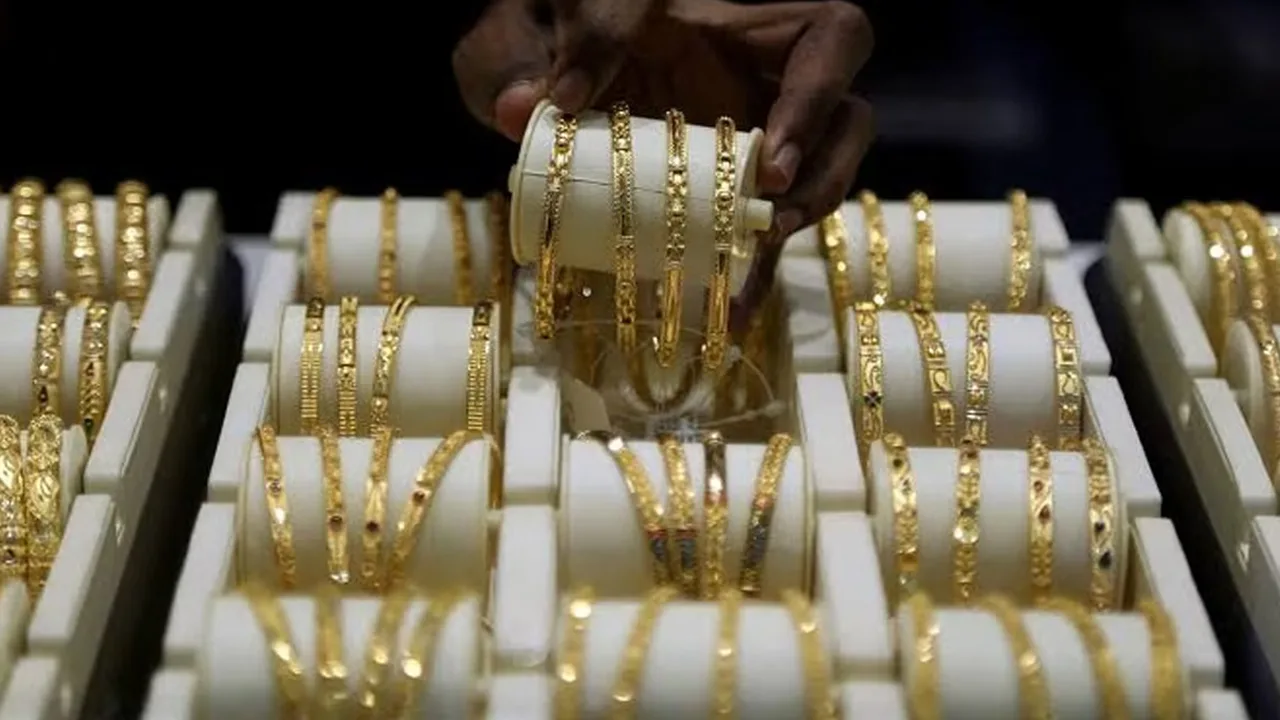
Gold prices in Pakistan rise Rs1,200 to Rs437,536 per tola on October 5, 2026, tracking a $12 gain in international markets.
Gold prices rose in Pakistan on Monday, October 5, tracking gains in international bullion markets as heightened geopolitical uncertainty boosted demand for the metal as a safe-haven asset. According to rates issued by the All Pakistan Sarafa Gems and Jewellers Association, the price of 24-karat gold increased by Rs1,200 per tola to Rs437,536. The price of 10 grams of 24-karat gold rose by Rs1,029 to Rs375,116, while 10 grams of 22-karat gold increased by Rs943 to Rs343,868.
International Gold Price
In the international market, gold rose by $12 to $4,150 per ounce, according to the association.
Silver Prices
Silver also rose in the local market. The price of silver increased by Rs66 per tola to Rs6,588, while the price of 10 grams rose by Rs57 to Rs5,648. Internationally, silver gained $0.66 to $61.10 per ounce.
What Investors Are Watching
Investors continued to monitor geopolitical developments in the Middle East, along with economic data that could signal the future direction of US Federal Reserve interest rates. Gold is traditionally seen as a hedge against inflation and a safe-haven asset in uncertain times, although higher interest rates can reduce its appeal by making yield-bearing assets more attractive.
Central Banker's View
Bank of Italy Deputy Governor Sergio Nicoletti Altimari told the London Bullion Market Association's annual conference in Sorrento, Italy, that gold's safe-haven role is particularly relevant today, given high geopolitical risk and concerns about economic fragmentation.
Related stories
 Gold
GoldGold Price Falls Rs4,300 to Rs436,336 — October 3, 2026
 Gold
GoldGold Price Rises Rs2,000 to Rs440,636 — October 2, 2026
Gold Price Falls Rs3,000 to Rs438,636 — October 1, 2026
 Gold
GoldGold Price in Pakistan Rises Rs4,300 to Rs441,636 — September 30, 2026
GoldGold Price in Pakistan Falls Rs800 to Rs437,336 — September 29, 2026
 Gold
Gold