ICC Approves Pink Ball Trial in Day Tests, Tightens Rules Across Formats
New playing conditions, effective October 1, introduce penalty runs for slow batters, clarified overthrow rules, and a permanent wide-ball standard across white-ball cricket.
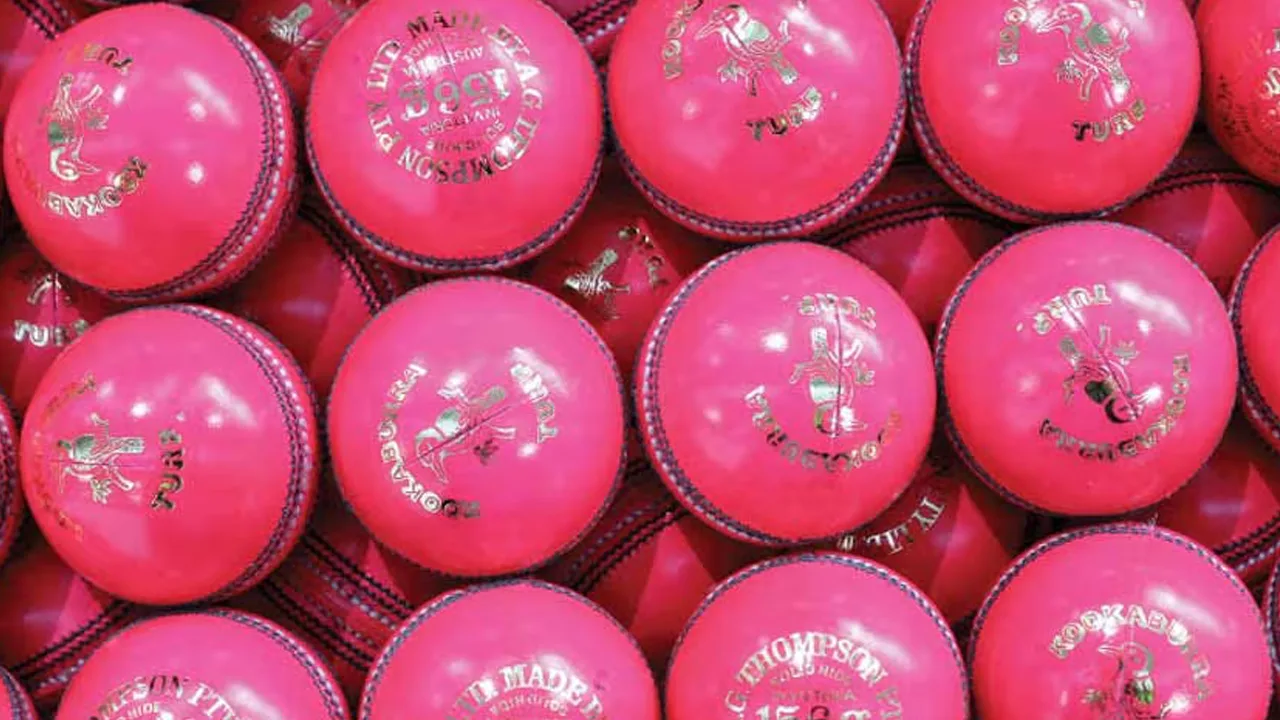
The ICC approves a pink ball trial for day Tests and introduces new rules on slow batting penalties, overthrows, and a permanent wide-ball standard from October 1.
The International Cricket Council (ICC) has approved the trial use of the pink ball in daytime Test matches to reduce lost play caused by bad light. The changes are part of a wider update to the ICC Playing Conditions and apply to international series starting October 1 or later; ongoing series continue under previous regulations.
Penalty for Slow Batters
A batter not ready to face the ball within the prescribed time will receive a warning for the first offence and a final warning for the second. Five penalty runs will be awarded to the fielding side for the third and each subsequent offence, with repeated breaches potentially triggering Code of Conduct action.
Clearer Fielding and Ball Rules
The ICC has introduced separate ball size and weight specifications for men's, women's, and junior cricket. Overthrow rules are now clearer: a throw at the stumps to prevent runs or effect a run-out counts as an overthrow, while a misfield to stop or pass the ball does not. A fielder must have complete control of the ball for a run-out or stumping to be valid — merely touching the ball as it breaks the stumps won't suffice. Umpires also get greater discretion in judging when a ball is finally settled, particularly on the last delivery of a close match.
Pink Ball Specifics for Tests
The pink ball may be used during the day by mutual agreement between both teams, decided before the Test begins and unchangeable once play starts — a mid-match switch from red to pink is not permitted. The final wicket of the day will no longer automatically end play if the last over is incomplete and conditions remain suitable; remaining deliveries will be completed the following day.
Changes in Limited-Overs Cricket
T20 internationals get a fixed 15-minute innings interval, reducible to a minimum of 10 minutes if playing time has been lost. ODI and T20I rules now align to allow a head coach or designated representative onto the field during drinks intervals. The previously trialled wide-ball rule has been made permanent, using the batter's leg position at the point of delivery as the reference, even if they move toward the off side afterward.
Why These Changes
ICC Men's Cricket Committee chairman Sourav Ganguly said the changes covered cricket balls, greater fielding clarity, and measures aimed at improving the pace of the game.
Related stories
 Sports
Pakistan Beat Hong Kong to Seal Asian Games Squash Silver and Final Spot
 Sports
England Reveal Strong ODI Squad for Pakistan Tri-Series
 Sports
Pakistan Hockey League to Launch in Islamabad on October 14
 Sports
Asian Games Cricket: Pakistan to Face Bangladesh in First Semi-Final Tomorrow
 Sports
Babar Azam Dismissed for 21 Against SBP, Continues Lean Patch in Red-Ball Cricket
 Sports