Supreme Court: Khula Cannot Be Granted Without the Wife's Clear Consent
A five-member bench rules that a petition for dissolution of marriage cannot be converted into khula without the wife's voluntary consent, and that she cannot lose her haq mehr through an involuntary khula.

The Supreme Court rules that khula requires the wife's express and free consent, and that a woman cannot lose her haq mehr through an involuntary khula.
The Supreme Court has ruled that a petition seeking dissolution of marriage cannot be converted into khula without the wife's clear and voluntary consent, because the two legal routes carry different consequences, particularly regarding haq mehr. The written judgement was issued by a five-member bench headed by Justice Shahid Waheed, which upheld the dissolution of marriage for two women on the basis of Shiqaq, meaning serious and irreconcilable marital discord, rather than khula. The court declared it unlawful to unilaterally convert such a petition into a khula petition when the wife has not expressly consented, and held that a woman cannot be deprived of her haq mehr through an involuntary grant of khula.
What the Court Decided in the Two Cases
The court upheld the dissolution of both marriages on the ground of Shiqaq and set aside the directions on the return or waiver of haq mehr that had been linked to khula. It noted that dissolution on the basis of Shiqaq does not depend on the woman surrendering her dower. The decisions on maintenance and dowry items were maintained.
What Counts as Shiqaq
The judgement recognised Shiqaq as a ground for dissolution under Section 2 of Muslim law, but stressed that ordinary marital disagreements are not enough. Minor disputes, differences in temperament or temporary separation cannot by themselves establish it. The court must be satisfied that the discord is genuine, serious and persistent, particularly after efforts at reconciliation have failed.
No Presuming Cruelty
The court cautioned against describing a husband as an oppressor without evidence of cruelty or abuse. It said a court cannot opt for khula simply because it considers a marriage unsuccessful when cruelty, abuse or other legal grounds have not been proved and the wife has not freely sought khula.
Protecting Both Spouses
The court emphasised that family-law proceedings must protect the legal rights, honour and dignity of both spouses, and that the correct legal route must be followed rather than imposing the financial consequences of a different form of dissolution.
Related stories
 Pakistan
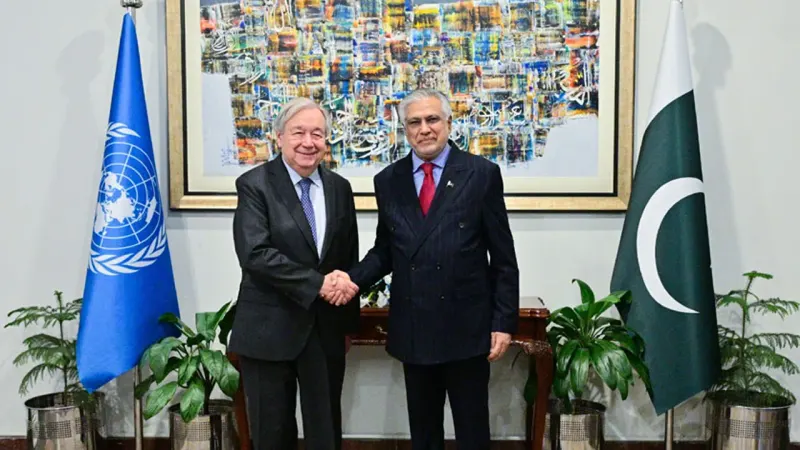
UN Secretary-General Antonio Guterres Arrives at Foreign Office in Islamabad
 Pakistan
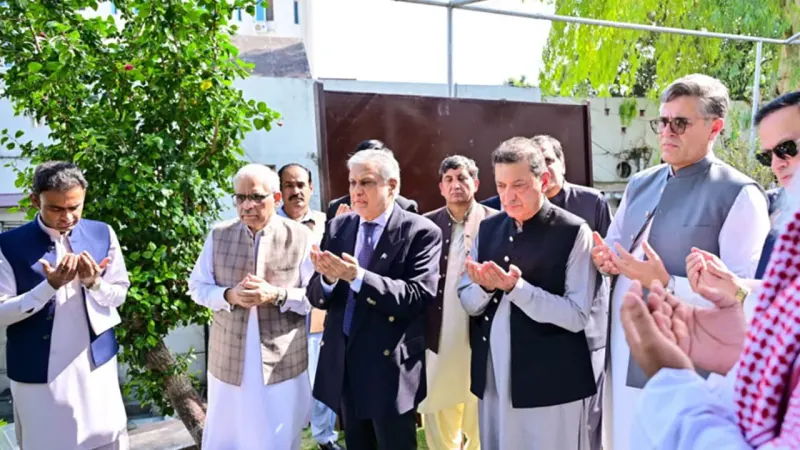
Dar Performs Groundbreaking for Expansion of Foreign Office Mosque
 Pakistan
Pakistan's First Lunar Rover Jinnah-1 Set to Launch With China's Chang'e-8 Mission
 Pakistan
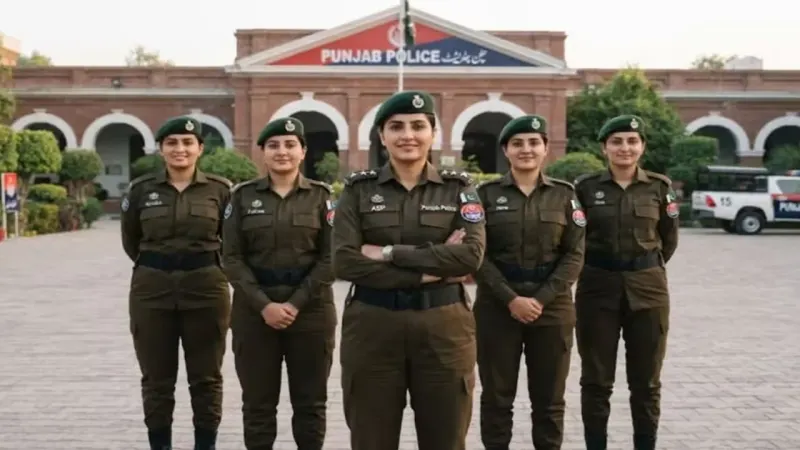
Punjab Police Launch Women First Response Unit Pilot in Lahore
 Pakistan
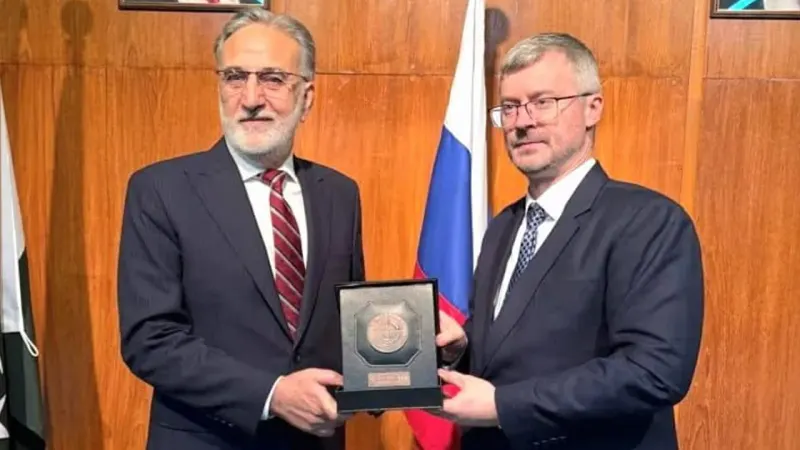
Pakistan, Russia Plan MoU on Anti-Corruption, Money Laundering
 Pakistan