"Blatant Violation": Pakistan Just Sent a Sharp Message Over Attacks on Saudi Arabia
A Strongly Worded Statement From Islamabad
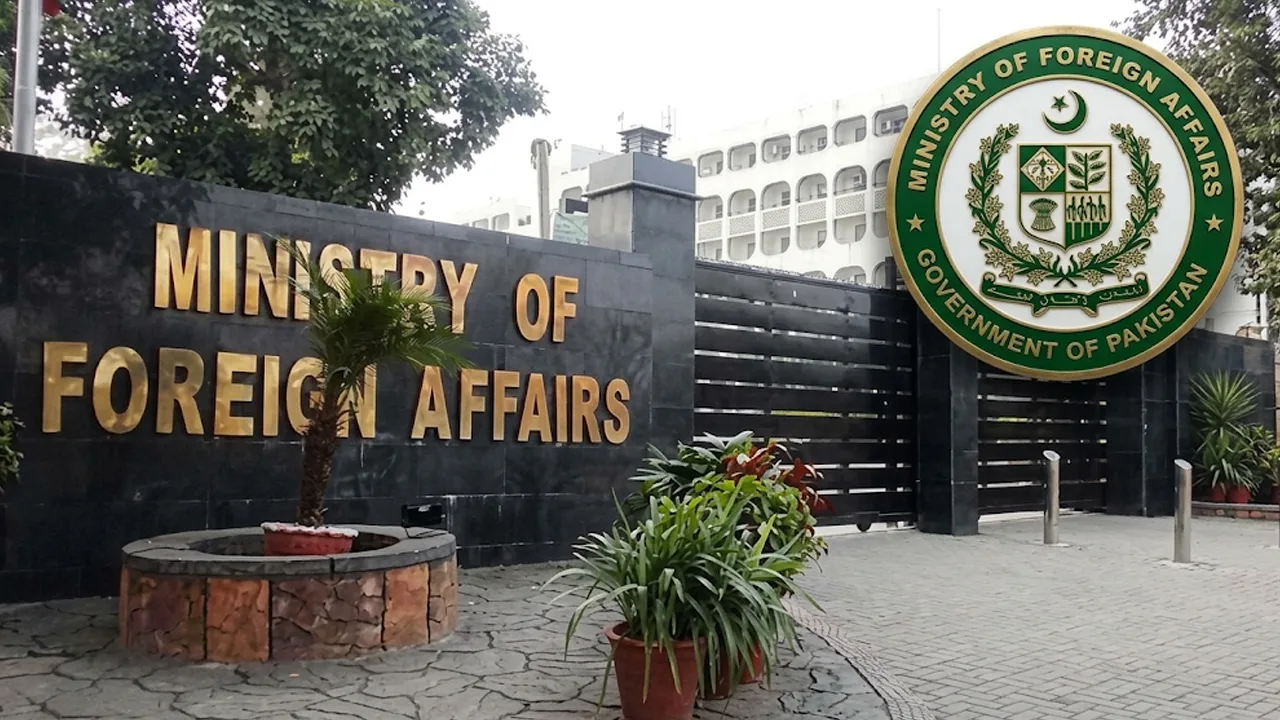
Pakistan condemns drone attacks on Saudi Arabia's East-West oil pipeline as a violation of international law, reaffirming support for Saudi sovereignty.
Pakistan's Foreign Office didn't hold back. In a statement issued Saturday, it condemned recent drone attacks on Saudi Arabia's East-West oil pipeline, calling the targeting of civilian infrastructure a clear violation of international law and Saudi sovereignty.
The Exact Words That Matter
The Foreign Office called the attacks "reprehensible," specifically pointing to the pipeline strikes in the Riyadh and Medina regions that caused damage to the facility and left several civilians injured. The spokesperson went further, describing any targeting of civilian infrastructure as a "flagrant violation" of international law.
Where This Happened
According to Saudi authorities, several drone attacks hit the East-West Pipeline in the Riyadh and Medina regions on September 10. The attacks injured multiple people and forced a temporary shutdown of the pipeline as emergency and technical teams moved in to assess the damage.
Why This Particular Pipeline Matters
This isn't just any pipeline. The 1,200-kilometre East-West Pipeline serves as a critical route for transporting Saudi crude oil to global markets — specifically because it allows Saudi Arabia to bypass the Strait of Hormuz entirely. With regional tensions already disrupting shipping through that strait, any hit to this alternative route carries extra weight for global oil markets.
Where the Drones Reportedly Came From
Saudi officials said the drones were launched from Iraqi territory. Iraq responded by condemning the attacks, ordering a formal investigation, and urging Saudi Arabia not to retaliate — a diplomatic balancing act playing out in real time.
Pakistan's Broader Commitment
Beyond the condemnation itself, Pakistan's Foreign Office reaffirmed its ongoing support for Saudi Arabia's security, sovereignty, and territorial integrity — language consistent with Islamabad's established position amid the wider regional tensions currently unfolding across the Gulf.
A Region Already on Edge
This pipeline attack lands in the middle of an already volatile stretch for the region. Just as this story broke, Iran's Islamic Revolutionary Guard Corps was busy praising Houthi forces for their reported advance along Yemen's Red Sea coast, calling it a "divine triumph."
Why Pakistan's Statement Carries Weight
When a country explicitly labels an attack a violation of international law and reaffirms military-adjacent solidarity with another nation, it's more than diplomatic courtesy — it signals where Pakistan positions itself as regional tensions continue escalating on multiple fronts simultaneously.
The Bottom Line
A pipeline attack, a strongly worded condemnation, and a reaffirmed alliance — all within a single statement. As tensions across the Gulf and Red Sea continue mounting from multiple directions at once, Pakistan's clear, unambiguous stance on this particular incident adds another data point to how the wider region's alliances are being tested in real time.
Related stories
 Middle East
Saudi Arabia Considers Major Solo Military Operation Against Houthi Forces
· 4 min read Middle East
Pakistan's Weekly Diplomatic Briefing: Solidarity with Saudi Arabia and Regional Engagement
· 5 min read Middle East
Houthi Forces Launch Fresh Attacks on Saudi Arabia as Regional Tensions Escalate
· 4 min read Middle East
Defence Minister Signals Makkah Pact Could Activate Amid Rising Gulf Tensions
· 2 min read Middle East
Houthi attacks on Saudi Arabia could trigger Makkah defence pact, warns Pakistan
 Middle East