Iran Has Kept Key Missile and Drone Factories Despite US-Israeli Strikes, Western Officials Say
The assessment conflicts with claims from Washington that Iran’s defence capacity has been destroyed, while attacks on shipping near the Strait of Hormuz push oil above $100 a barrel.
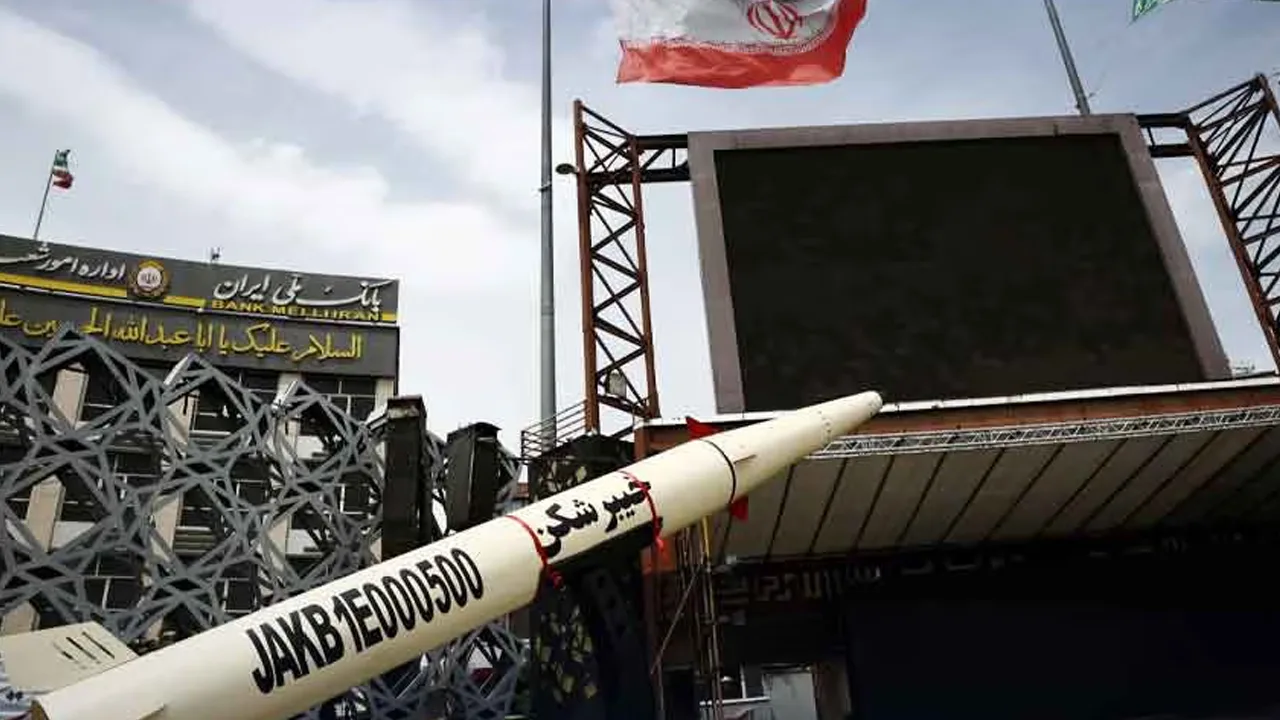
Western officials say Iran has preserved key missile and drone factories despite US-Israeli strikes, contradicting Washington’s claims, as attacks near Hormuz keep oil above $100.
Iran has preserved key missile and drone manufacturing facilities despite months of US and Israeli airstrikes, which could allow it to replenish its weapons stocks and prepare for another possible round of fighting, according to Western officials familiar with intelligence assessments. The officials spoke anonymously because they were discussing private assessments. One said Iran remains well stocked with ballistic missiles and certain anti-ship weapons and can produce more relatively quickly. Another said Russia is also providing missiles to Iran, though Russia’s Defence Ministry did not respond to a request for comment.
Washington’s Position
The findings contrast with statements from US President Donald Trump and senior officials, who have described Iran’s military capabilities as severely degraded. On September 30, US Defence Secretary Pete Hegseth said American strikes had eliminated Iran’s military industrial capacity. White House spokesperson Anna Kelly rejected the assessment, saying US operations had destroyed Iran’s nuclear facilities and its conventional capabilities, including ballistic missiles, production facilities and navy.
Strikes Delayed Until After the Midterms
Trump said on Thursday that he would not attack Iran before the US midterm elections in November. Analysts say this pause gives Tehran time to rebuild, and could also help the administration avoid adding pressure on oil prices before voters go to the polls.
How Many Weapons Remain Is Unclear
Israel estimated that Iran had about 2,500 ballistic missiles before the war, and Western assessments as recently as June suggested Tehran retained around three-quarters of its prewar munitions. According to an analysis of public data, Iran has launched more than 4,000 Shahed cruise missiles and at least 2,000 ballistic missiles since the conflict began on February 28. With a US Navy blockade of Iranian oil exports, analysts say Tehran could increasingly rely on asymmetric warfare.
Shipping and Oil Markets
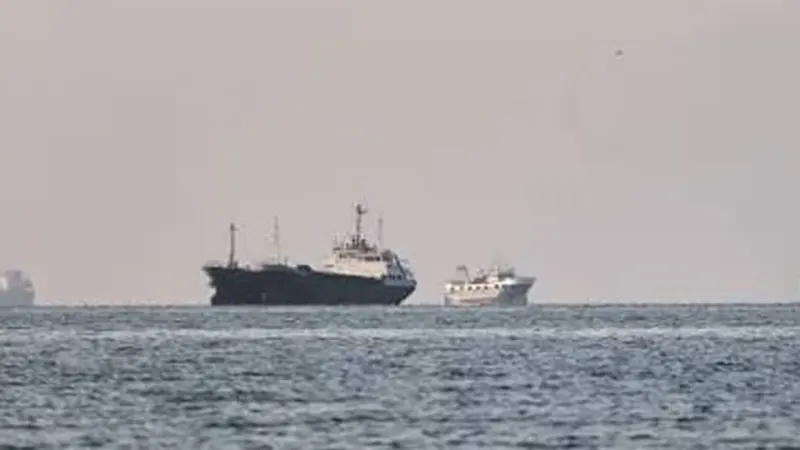
The UK Navy reported that at least 10 vessels were hit near the Strait of Hormuz in the past week. Hiring an oil tanker now costs about $1.2 million a day, compared with under $50,000 before the war, and oil remains above $100 a barrel.
Houthi Attacks on Saudi Arabia
On Thursday night, Houthi ballistic missiles struck two airports in Saudi Arabia, killing at least three people and wounding dozens, raising concerns about the kingdom’s alternative oil-export route through the Red Sea.
Related stories
 Americas
PM Shehbaz Says Trump Played a Historic Role in Advancing Peace in South Asia
 Middle East
PM Shehbaz Calls for Hormuz, Bab al-Mandab to Remain Open
 International Politics
Russia, Iran Call for Diplomatic Solution to Crisis
 International
Iran Offers US Seven-Day Plan to Reopen Strait of Hormuz
· 2 min read Americas
PM Sharif Invites US Business Leaders to Invest in Pakistan
 International