Russia, Iran Call for Diplomatic Solution to Crisis
Lavrov and Araghchi meet at UNGA, stressing there is no military alternative, as Iran's seven-day Hormuz reopening proposal remains with Washington.
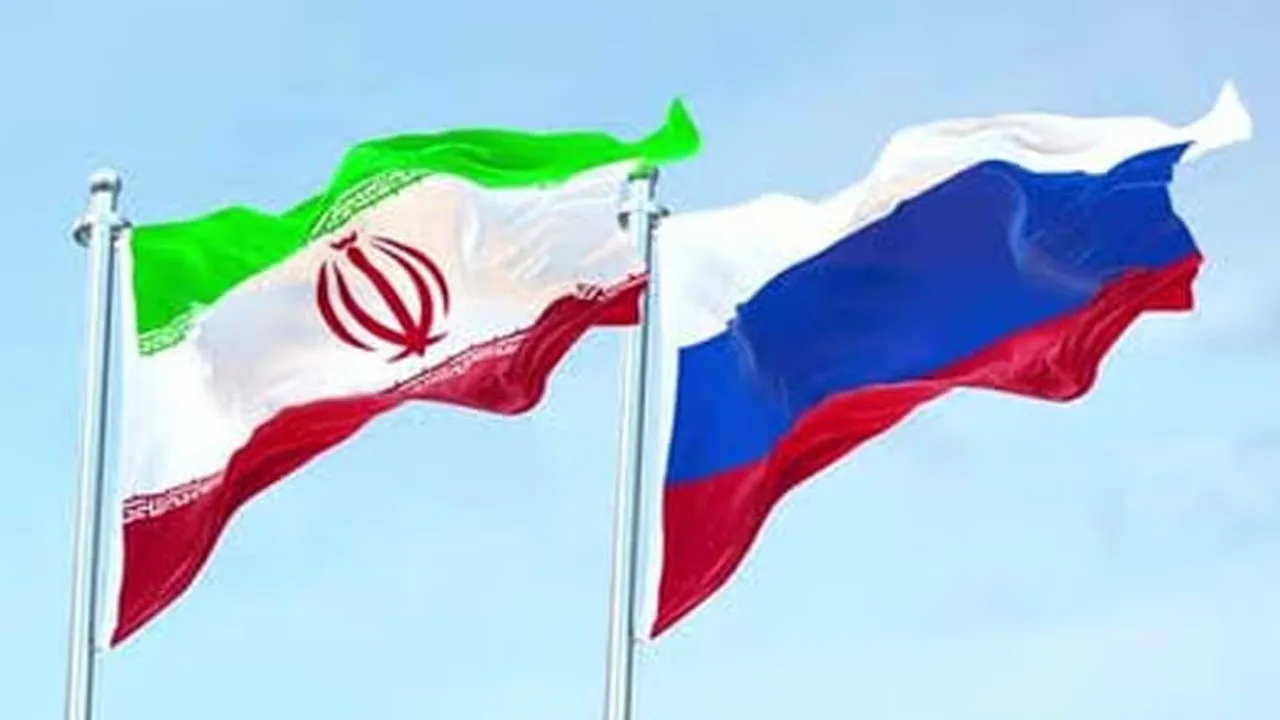
Russia's Lavrov and Iran's Araghchi call for a diplomatic resolution to the Iran crisis at the UN General Assembly, as Tehran's Hormuz reopening proposal awaits a US response.
Russian Foreign Minister Sergey Lavrov and Iranian Foreign Minister Abbas Araghchi called for the crisis surrounding Iran to be resolved through negotiations and diplomacy, saying there is no military alternative to a settlement. The two met on the sidelines of the high-level week of the 81st UN General Assembly session.
What Was Discussed
According to the Russian Foreign Ministry, the meeting covered the current regional and global situation, with recent developments concerning Iran receiving particular attention. Both sides stressed the crisis could only be resolved through diplomatic means, with Moscow saying Russia would continue supporting efforts to reduce tensions through political and diplomatic channels. The Russian Foreign Ministry linked the current crisis to actions by the United States and Israel, which it described as unlawful.
Iran's Standing Proposal
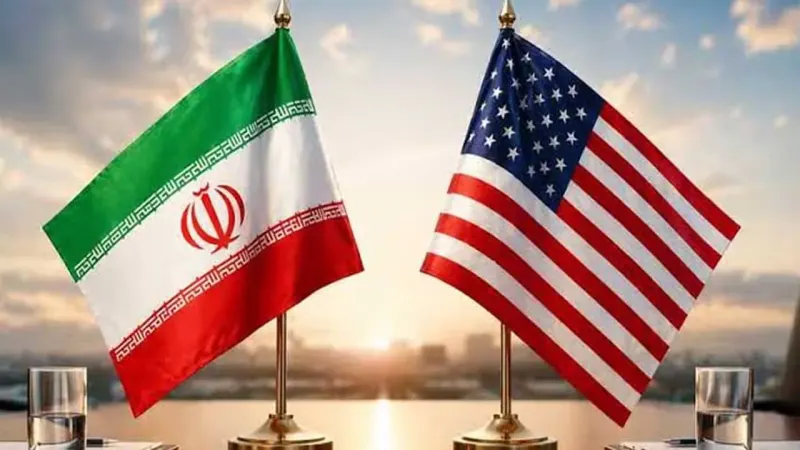
Separately, Araghchi said Iran had sent Washington a proposal through mediators that could allow the Strait of Hormuz to reopen within seven days if the US meets certain conditions, including an end to hostilities, sanctions relief, release of frozen Iranian assets, and lifting of the US naval blockade. He said the strait could reopen at the end of the seventh day if conditions are met, with broader talks then restarting.
Related stories
 Middle East
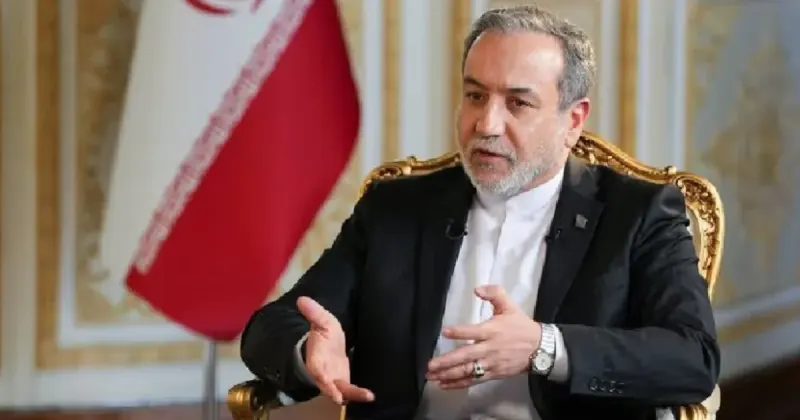
Araghchi Says Americans Weary of Israel’s ‘Forever Wars’
 Americas
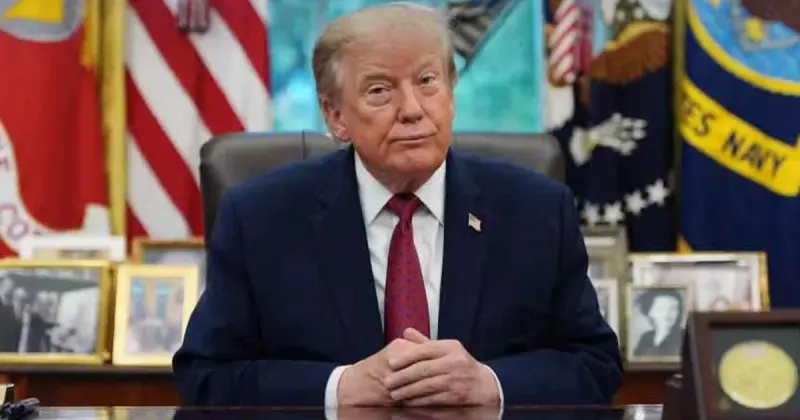
Trump Says Fresh Iran Strikes Unlikely as Talks Continue
 International
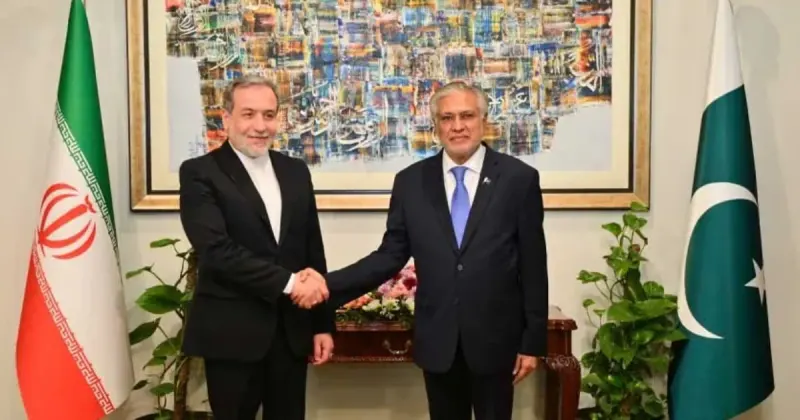
Pakistan and Iran Push for Lasting Regional Peace
 International Politics
Republicans Urge Trump to Change Course After Midterm Losses
 International Politics
Trump Says Iran Wants Talks Amid Rising Regional Tensions
 Americas