How to Avoid Fake Education Consultants: Verify Your University Admission and Visa in 6 Steps
No agent can guarantee a visa or an admission. Here is how to check your documents yourself, protect your payments, and report fraud to the FIA.
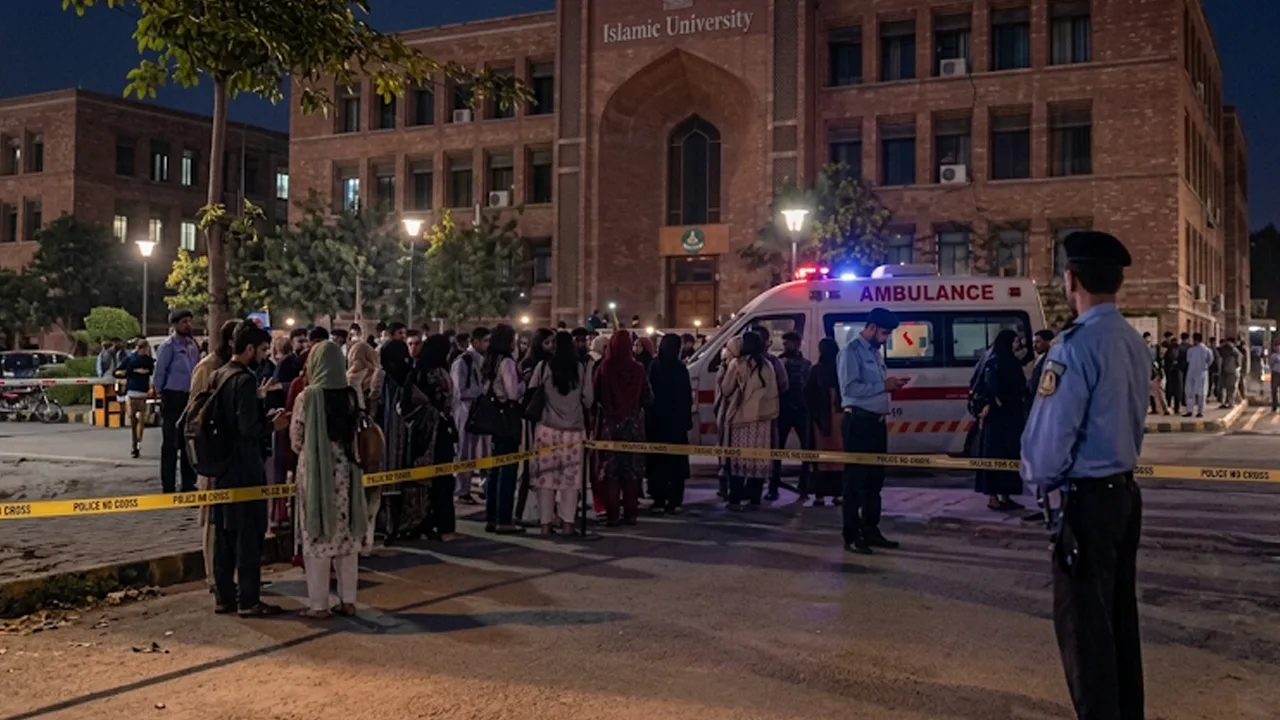
Learn how to spot fake education consultants and verify your university admission, I-20 and visa yourself, with official links and how to report fraud to the FIA.
Before you pay any consultant for a study-abroad admission or visa, verify three things yourself: that the university is officially approved, that the admission is confirmed by the university directly, and that your visa will be issued only by the embassy or consulate. For the United States, only schools certified by the Student and Exchange Visitor Program (SEVP) can issue the Form I-20, and you can check any school on the official School Search tool. The visa itself is issued only after you apply and are interviewed at a US embassy or consulate, and no agent can arrange it for you.
Step 1: Check That the School Is Approved
For the US, search the school on the SEVP School Search tool. If it does not appear, it cannot enroll international students on an F-1 visa. For other countries, check the official government list of approved institutions, such as the designated learning institution list for Canada, the register of licensed student sponsors for the UK, and CRICOS for Australia.
Step 2: Contact the University Directly
Use the email address and phone number on the university’s own website, not the contact details given by your agent. Ask the admissions or international students office to confirm your application, your offer letter and, for the US, your I-20 status.
Step 3: Understand What Each Document Means
The I-20 is issued by the university after it accepts you. It is not a visa and does not by itself grant entry to the United States. You then apply for a student visa at a US embassy or consulate, bringing your I-20. Official information for Pakistan is on the US Embassy website, pk.usembassy.gov.
Step 4: Check Your Own Documents
A genuine I-20 carries the school’s details, your SEVIS ID, and signatures from both a school official and you. Make sure every detail matches your passport. Fill in your visa application form yourself, using the official process, rather than handing your details over to an agent.
Step 5: Protect Your Money
Warning signs include a guaranteed visa or admission, pressure to pay quickly, documents sent only by WhatsApp, payments requested to a personal account, and an agent who does not want you to contact the university. Pay tuition deposits directly to the university’s official account, keep every receipt, and get any agreement in writing.
Step 6: If You Have Been Defrauded
Save all messages, receipts and documents, then report the case to the Federal Investigation Agency (FIA):
Helpline: 051-111-345-786 or 1991
Email: [email protected]
Online complaint portal: complaint.fia.gov.pk
Also file a report with your local police. Fraud is not the victim’s fault, and talking to family or someone you trust can make the next steps easier.
Related stories
 Education
Punjab to Introduce Merit-Based System for House Jobs and Postgraduate Training of Foreign Medical Graduates
 Education
Human-Centered AI Lab Inaugurated at Punjab University With Support From Türkiye's TİKA
 Education
How to Apply for a New Zealand Post-Study Work Visa: Cost, Eligibility and Steps
· 2 min read Education
Scholarships for Pakistani Students in Germany: Funding, Eligibility and How to Apply
· 2 min read Education
LUMS Calls for a Trauma-Informed Approach to Improve Student Well-Being
 Education