Maryam Nawaz: Her Journey, Her Schemes and the Sharif Family’s Charitable Institutions
From a Lahore childhood and years of exile to becoming Punjab’s first woman chief minister, this profile covers her life, the major programmes launched since 2024, and the charitable hospitals and schools built by her family’s trust.
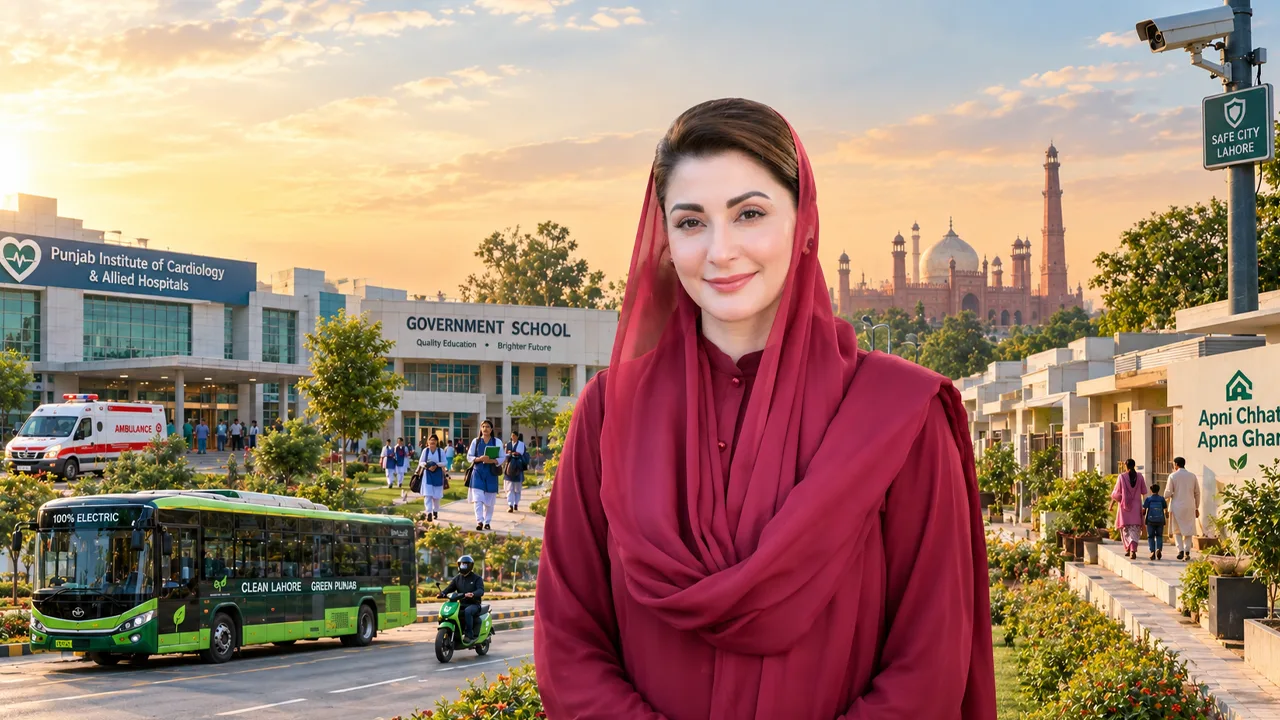
A detailed profile of Maryam Nawaz, Punjab’s first woman chief minister: her life, education, years of exile, her major schemes in housing, health, education and transport, and the Sharif family’s charitable institutions.
Maryam Nawaz Sharif made history on 26 February 2024, when she became Punjab’s chief minister and the first woman to hold the office of chief minister in Pakistan’s history. Her journey runs from a childhood in Lahore, through years of exile and legal proceedings, to leading the country’s most populous province. This profile looks at her life, her challenges, the schemes launched during her time in office, and the charitable institutions built by her family.
Early Life and Education
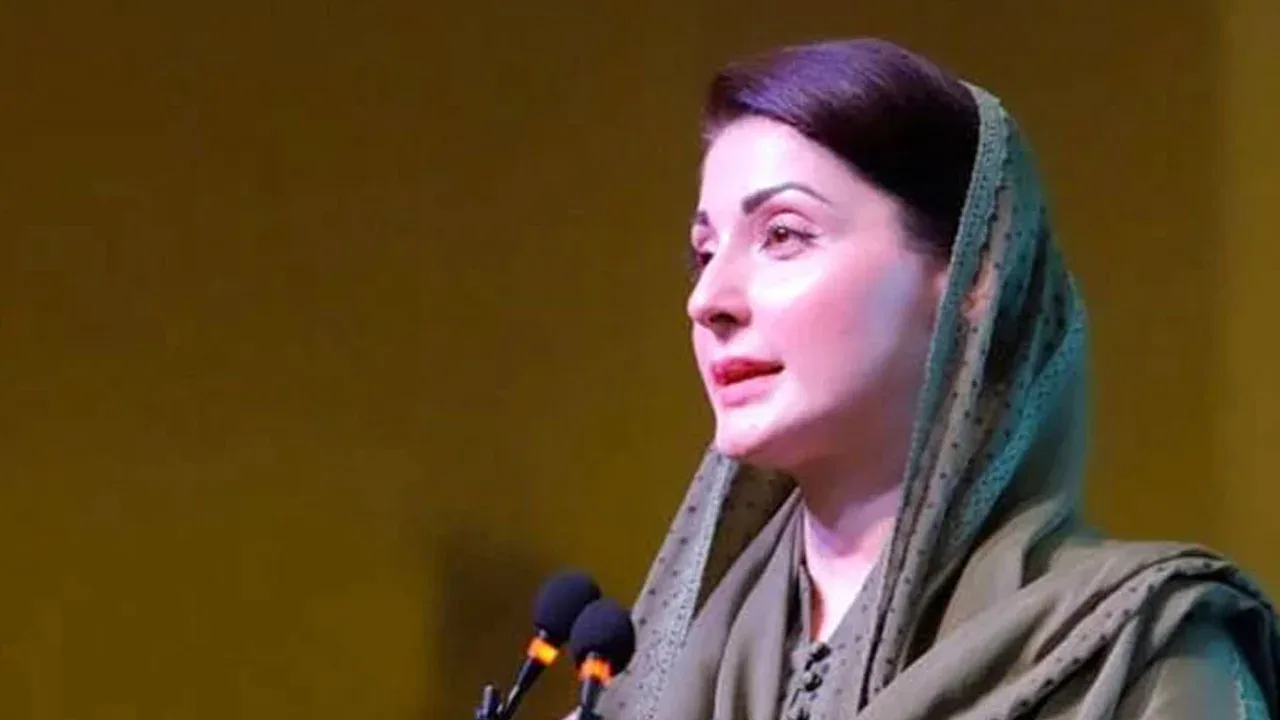
Maryam Nawaz was born on 28 October 1973 in Lahore to former Prime Minister Nawaz Sharif and Kulsoom Nawaz. She is the eldest of four siblings, with two brothers, Hassan and Hussain, and a sister, Asma. She is the granddaughter of industrialist Muhammad Sharif, whose family built the Ittefaq and Sharif groups.
She received her early education at the Convent of Jesus and Mary in Lahore, from pre-nursery to the 10th grade, and completed her FSc at Lahore College for Women in 1991. She had hoped to become a doctor and enrolled in medical college, but left her studies in 1992 after her marriage to Muhammad Safdar Awan. Together they have three children: Junaid, Mehr-un-Nisa and Mahnoor. In her declarations to the Election Commission, she lists a master’s degree in English literature from the University of the Punjab.
The Years of Hardship
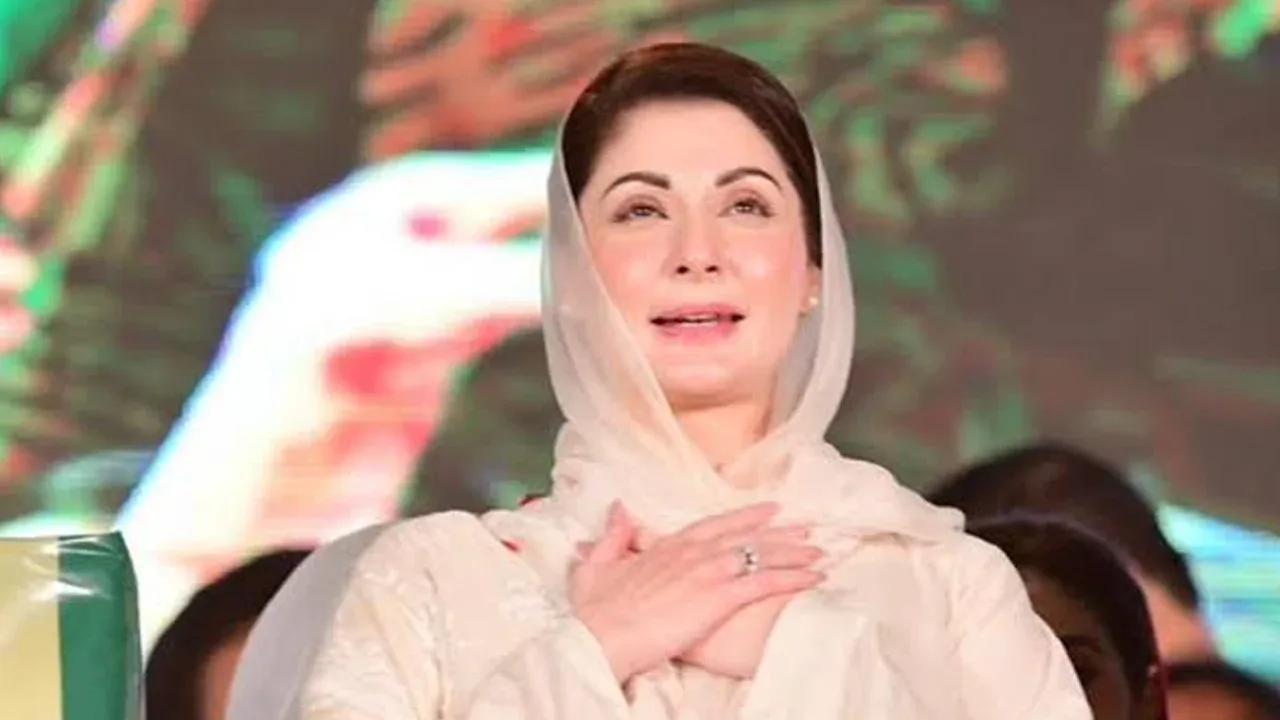
Her life changed on 12 October 1999, when her father’s government was removed in the coup. Maryam, her mother and other women of the family were placed under house arrest, and in November 1999 they were released on humanitarian grounds. The family was later sent into exile in Saudi Arabia, 22 members in all. During those years, she focused on raising her children and became fluent in Arabic.
Entering Politics
In November 2011, her father gave her permission to enter politics. In 2012, she worked with party leaders on the Punjab Women Empowerment Package and helped with the women-only Pink Bus scheme. In 2013, she led her father’s successful election campaign, and she was credited for reaching young voters through social media. In November 2013, she was appointed chairperson of the Prime Minister’s Youth Programme.
A Difficult Phase and a Return
The years 2018 and 2019 were among the hardest of her life. She faced legal proceedings and spent time in detention, and in September 2018 her mother, Kulsoom Nawaz, passed away in London. She and her father were granted parole to attend the funeral, and later that month the Islamabad High Court suspended their sentences and ordered their release on bail. In August 2019 she was detained again in another case, and was granted bail in November 2019. On 29 September 2022, the Islamabad High Court overturned the verdict against her.
In January 2023, she was appointed senior vice president and chief organizer of the PML-N, tasked with restructuring the party at all levels. She travelled across the country, held rallies and worker conventions, and helped keep the party’s momentum alive ahead of her father’s return to Pakistan in October 2023.
Becoming Punjab’s First Woman Chief Minister
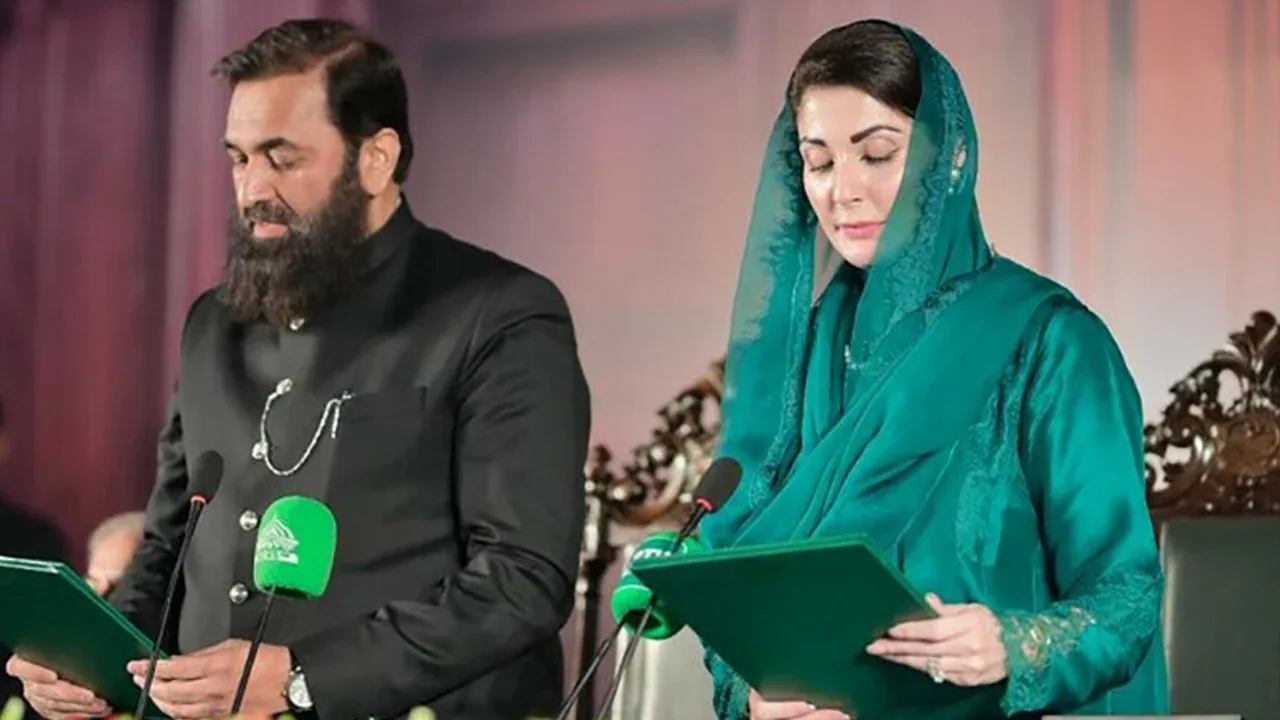
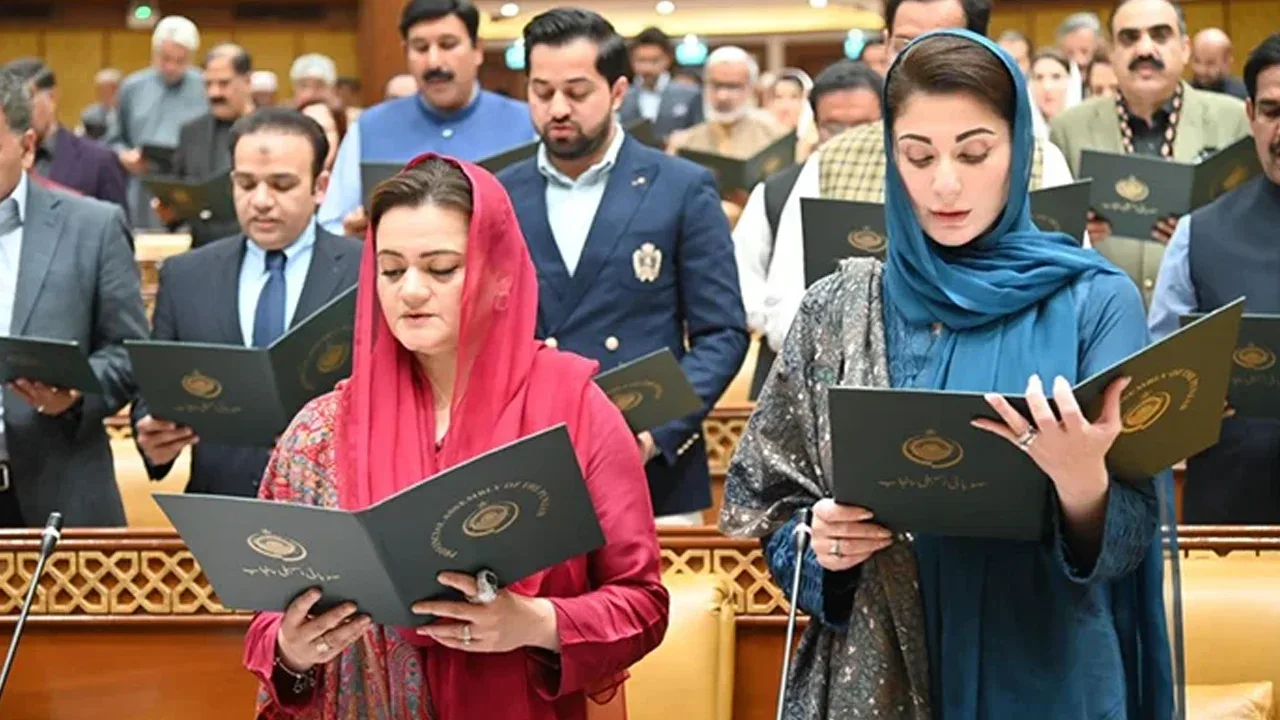
In the February 2024 general elections, Maryam Nawaz contested for the first time, and she was elected to the Punjab Assembly from PP-159 (Lahore-XV). The PML-N nominated her for chief minister, and on 26 February 2024 she took oath as the first woman chief minister in the country’s history.
Her Major Schemes and Programmes
Since taking office, her government has launched a wide range of programmes. Figures come from provincial government announcements and reports, and details may change as programmes expand.
Housing
Apni Chhat, Apna Ghar: Launched in August 2024, it offers interest-free loans of up to Rs1.5 million to families who own land but cannot afford to build or renovate a home. In October 2026, the project received the UN-Habitat Scroll of Honour Award.
Apni Zameen, Apna Ghar: Offers free three-marla plots to landless poor families.
Social Welfare
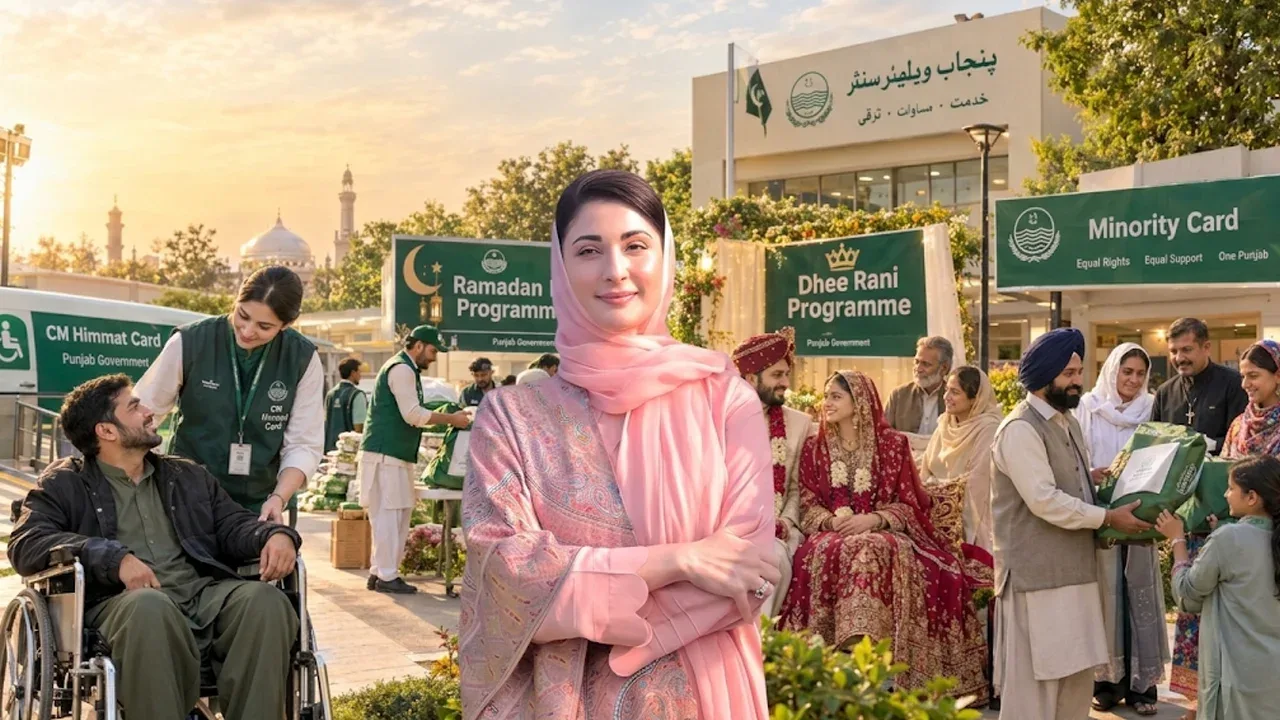
CM Himmat Card: Financial assistance and assistive devices for persons with disabilities, with a reported budget of Rs2.6 billion.
Ramadan Nigehban Programme: A Rs30 billion food-security programme during Ramadan.
Dhee Rani Programme: Wedding support, including household items and financial assistance, for underprivileged couples. It had supported 3,000 couples by early 2025.
Minority Card: Support for minority families, which was benefiting 50,000 families with plans to expand to 75,000.
Education and Youth
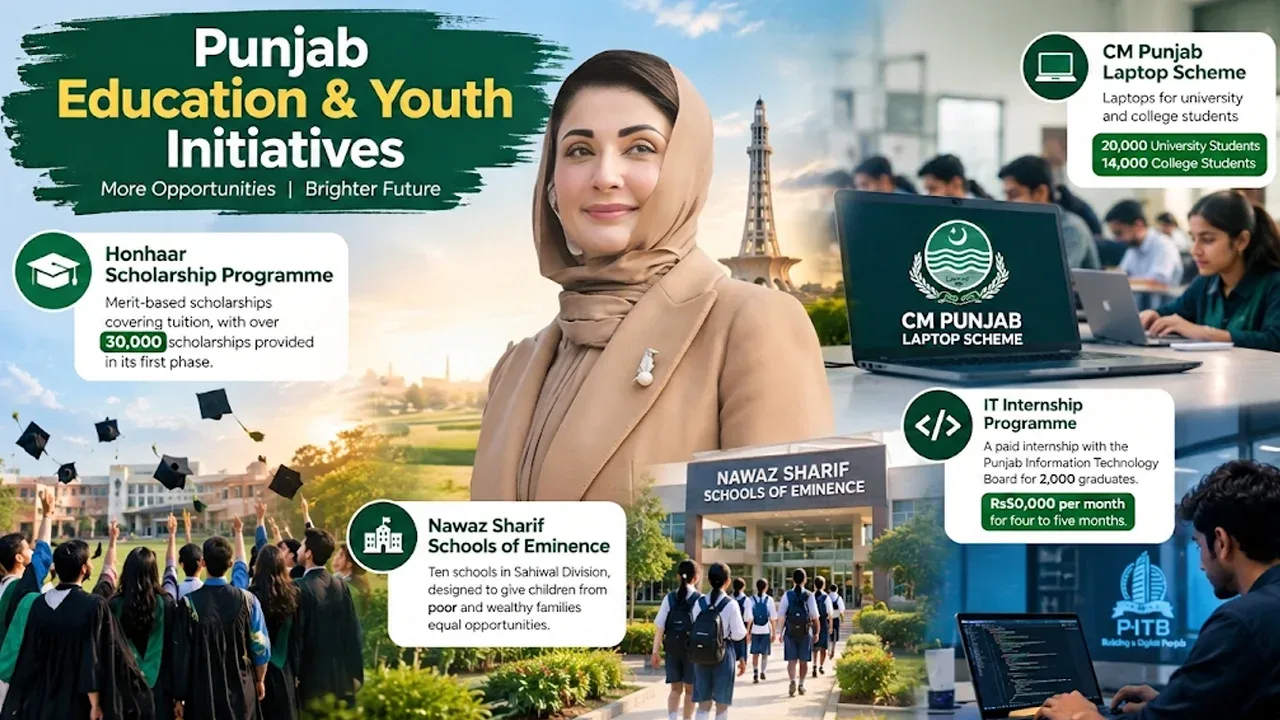
Honhaar Scholarship Programme: Merit-based scholarships covering tuition, with over 30,000 scholarships provided in its first phase.
CM Punjab Laptop Scheme: Laptops for university and college students, aimed at 20,000 university students and 14,000 college students.
Nawaz Sharif Schools of Eminence: Ten schools in Sahiwal Division, designed to give children from poor and wealthy families equal opportunities.
IT Internship Programme: A paid internship with the Punjab Information Technology Board for 2,000 graduates, with Rs50,000 a month for four to five months.
Health
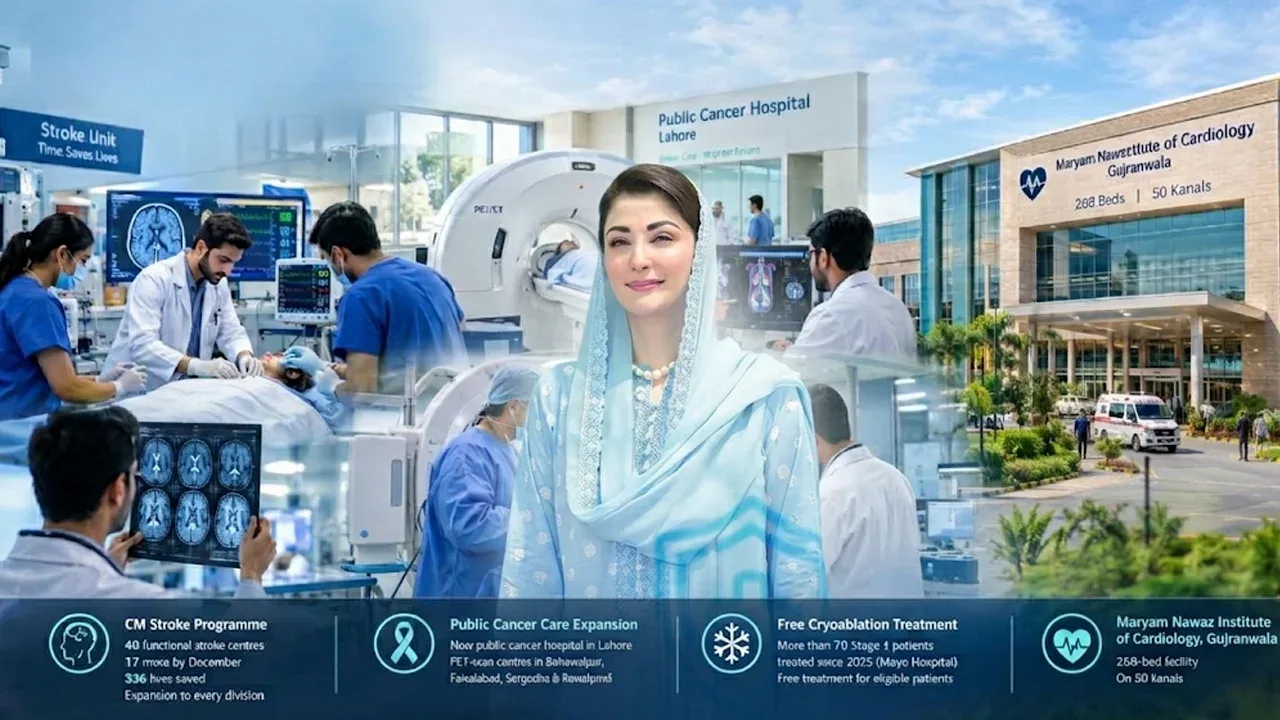
CM Stroke Program: 40 primary stroke centres are functional, 17 more are due by December, and 336 lives have been saved. Stroke centres will now be set up in every division.
Cancer care centres: Plans for the province’s first public cancer hospital in Lahore, and new PET-scan-equipped centres in Bahawalpur, Faisalabad, Sargodha and Rawalpindi.
Free cryoablation treatment: More than 70 Stage 1 cancer patients have received free treatment since the first machine was introduced at Mayo Hospital in 2025.
Maryam Nawaz Institute of Cardiology, Gujranwala: A 268-bed facility planned on 50 kanals.
Agriculture and Business
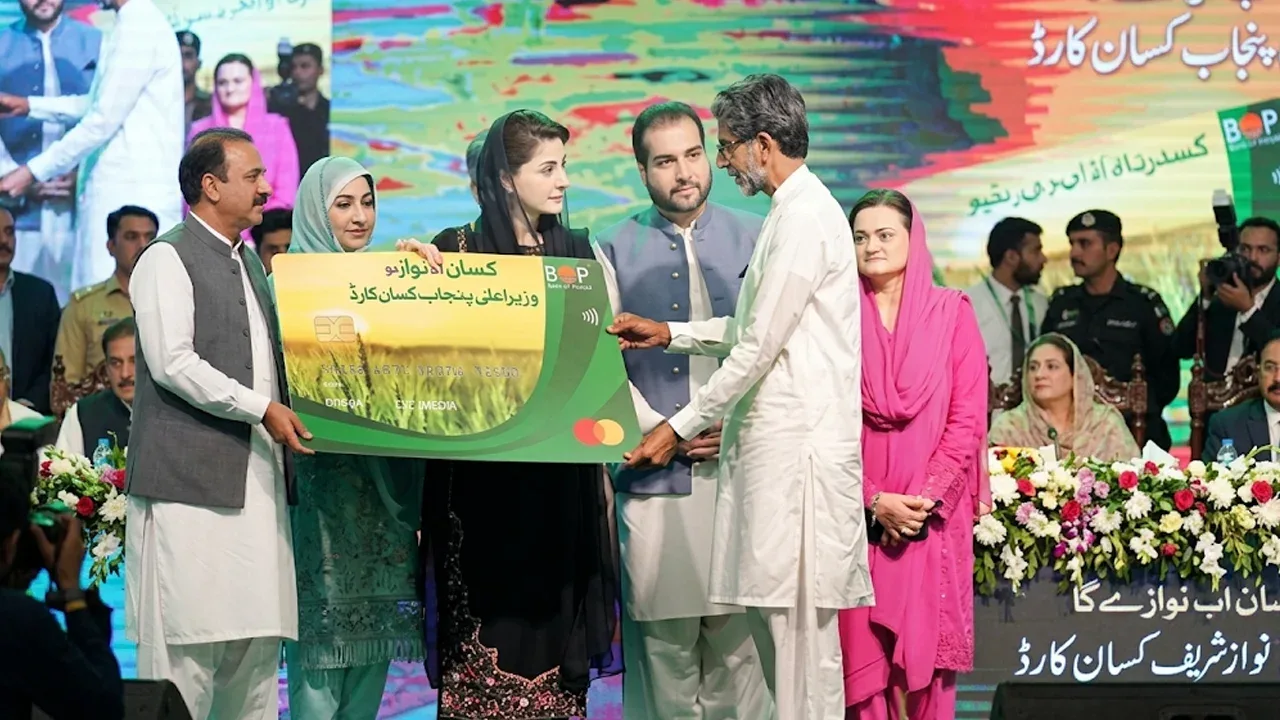
Green Tractor Programme: Approved in September 2024, it provides tractors with a Rs1 million subsidy each to farmers owning up to 50 acres.
Kissan Card and Livestock Card: Financial support and access to inputs for farmers and livestock owners.
Asaan Karobar Finance Scheme: Rs48 billion in interest-free loans for startups, repayable over three years.
Transport
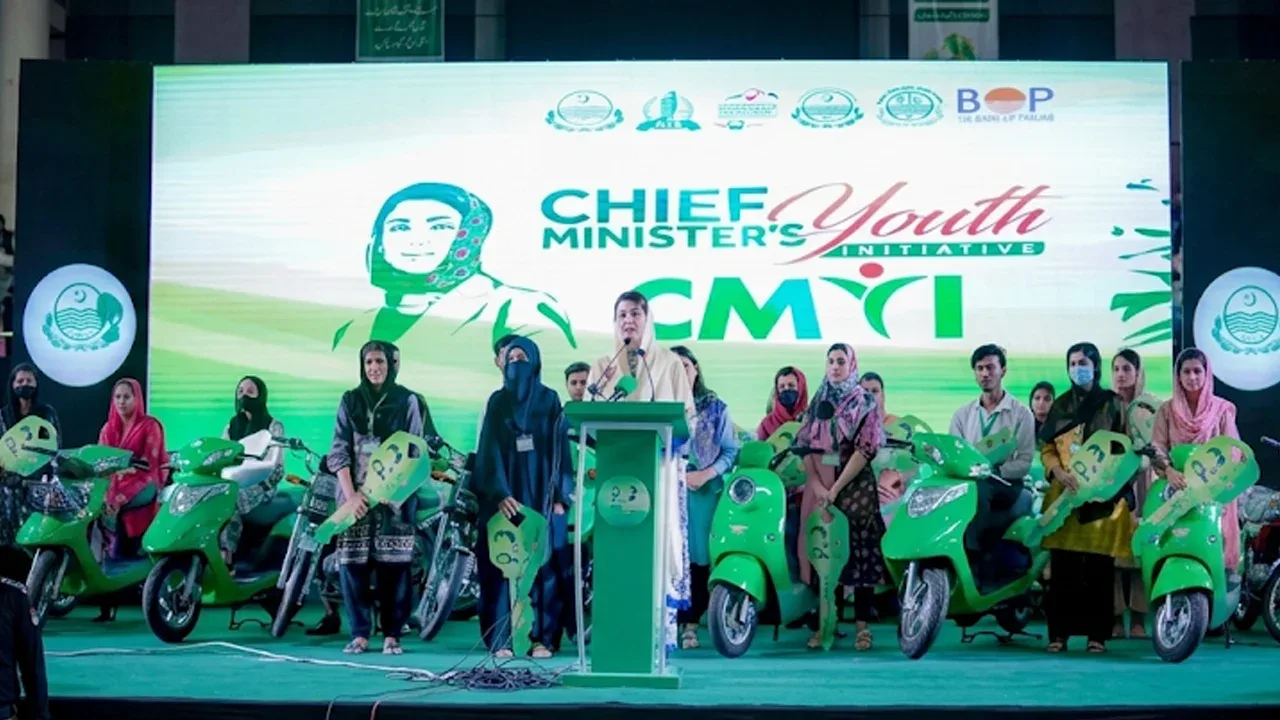
CM e-Bike Scheme (Phase II): Received more than 432,000 student registrations in two days, with down payments waived, interest and insurance paid by the government, and Rs3,028 monthly payments.
Electric bus service: 612 buses are already operational. Another 1,500 are planned for 91 tehsils from January 2027, with a target of 3,000 by June 2027. Two e-bus routes have been launched in Gujranwala.
Air Punjab: Approved as the province’s first airline project.
Governance and Public Safety
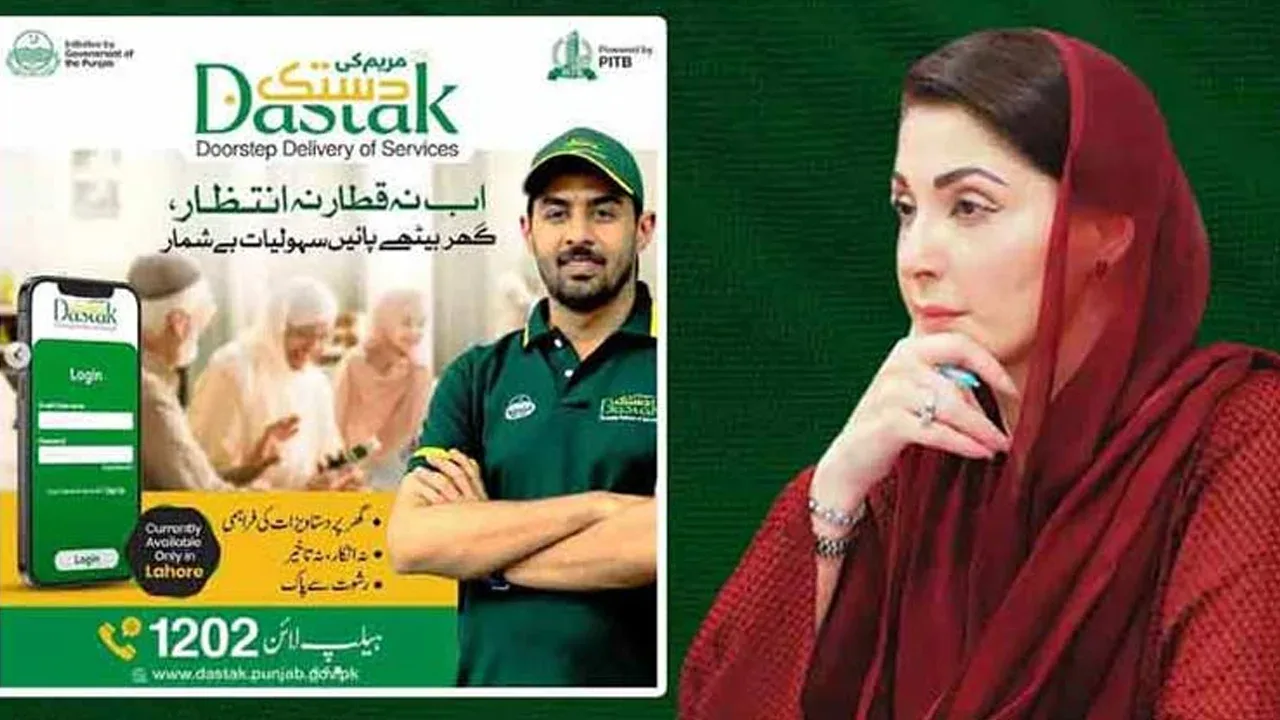
Maryam Ki Dastak: Delivers government services, reportedly 98 digital services at launch, to citizens’ doorsteps.
Body-worn cameras for police: Linked to Smart Safe City systems in 43 cities.
Women Police First Response Unit: A Lahore pilot with 22 dedicated vehicles, sending female officers first to crimes against women and children.
Environment and Culture
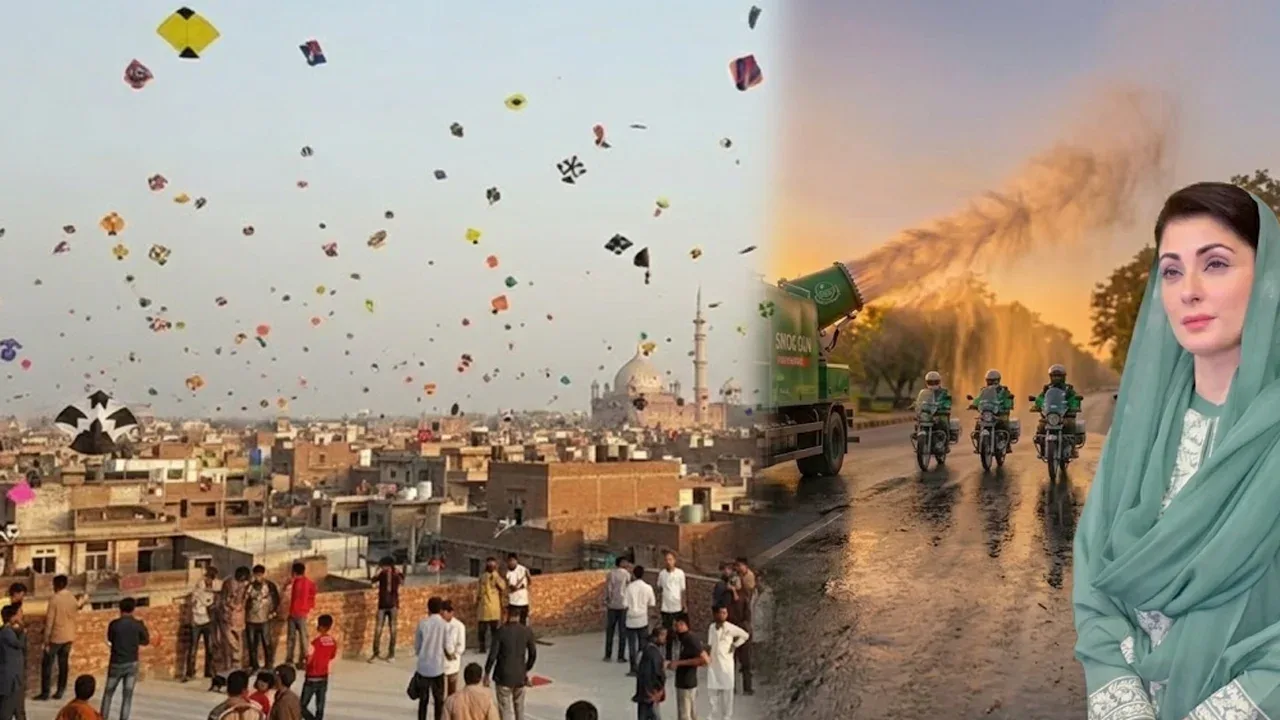
Wildlife hospital and tree planting: The Punjab government has reported completing Pakistan’s first wildlife hospital and planting over 50 million saplings in a year.
Basant revival: Basant returned to Lahore after 25 years in February 2026, with a 10-day festival planned from 29 January to 7 February 2027 under safety rules.
Recognition at Home and Abroad
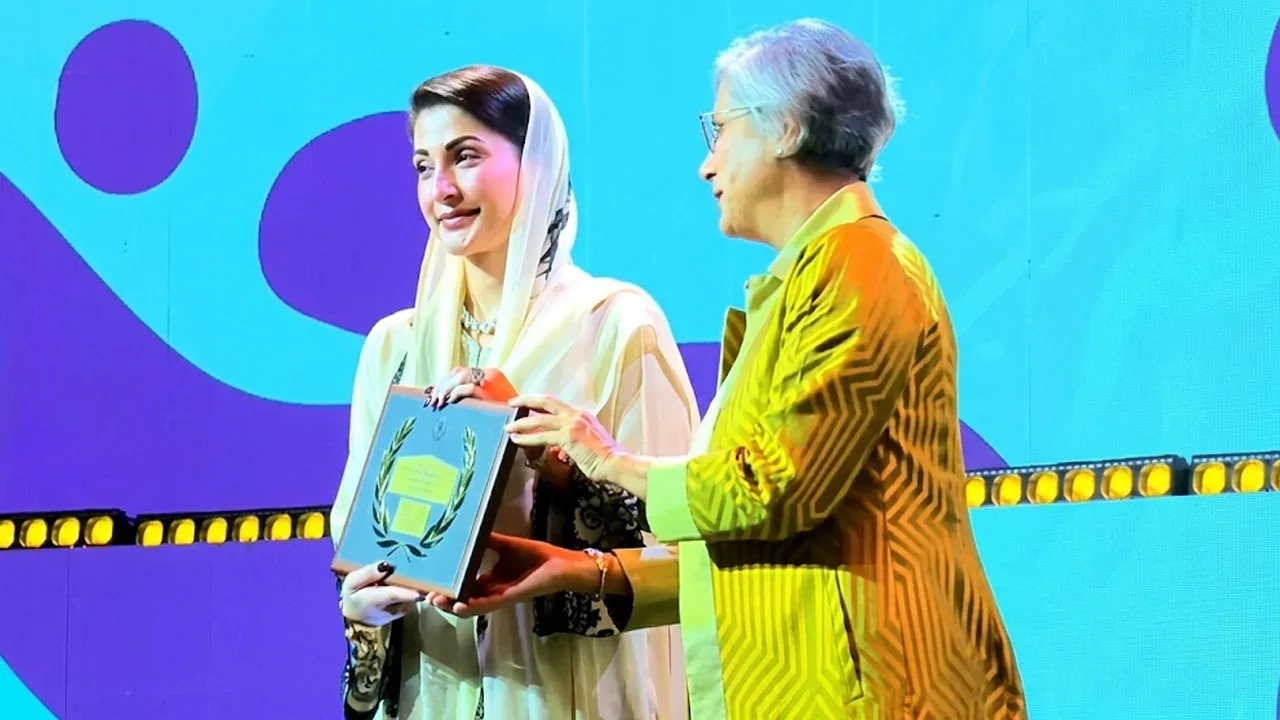
In March 2017, Maryam Nawaz was named on the BBC’s 100 Women list, and in December 2017 she was featured in a list of powerful women compiled by The New York Times. In October 2026, she received the UN-Habitat Scroll of Honour Award on World Habitat Day in Muscat, Oman, recognizing the “Apni Chhat, Apna Ghar” project as a leading affordable housing initiative.
How the Public Has Responded
Several indicators reflect public engagement with her programmes. A survey by the Institute for Public Opinion Research reported that 55% of respondents in Punjab were satisfied with the performance of her government in its first 100 days. The e-bike scheme’s 432,000 registrations in two days show how quickly young people responded. Members of the Punjab Assembly from Sahiwal praised the city’s beautification and school projects as historic, and a visiting European Parliament delegation appreciated the Minority Card initiative for minority welfare.
The Sharif Family’s Charitable Institutions
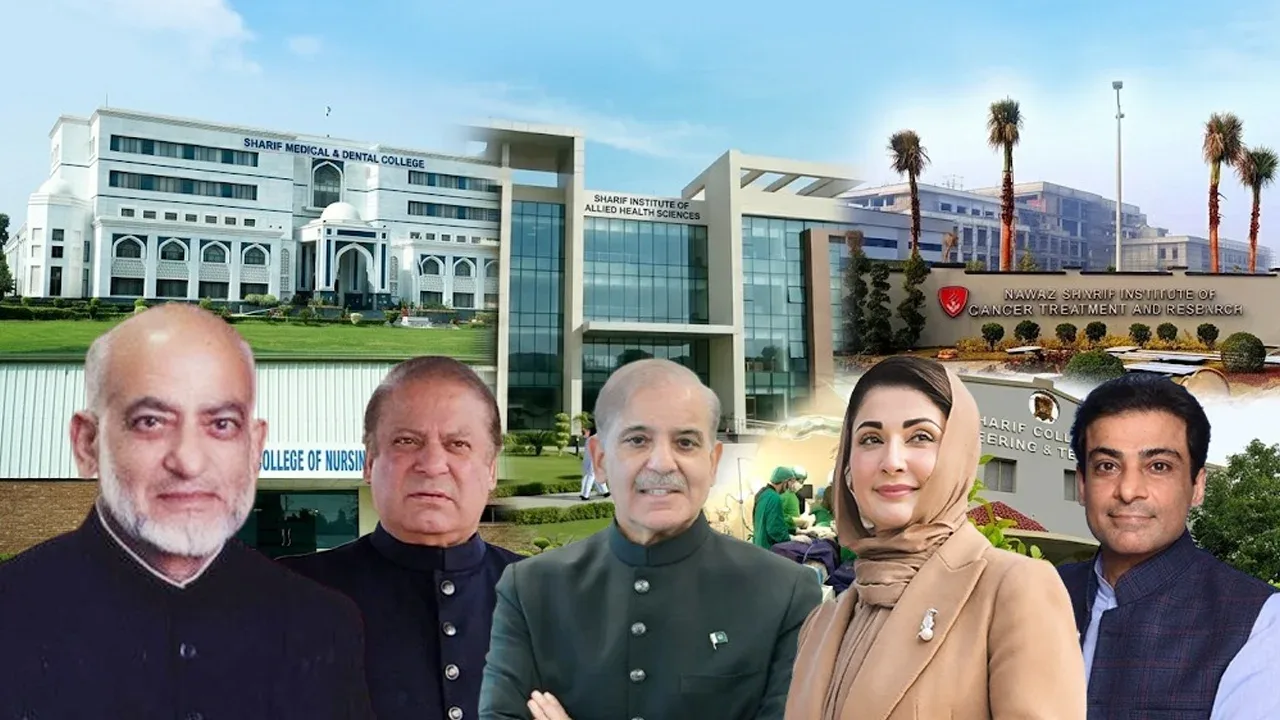
Alongside public service, the Sharif family has a long record of running charitable hospitals and schools through a private trust. According to the Sharif Trust, it was founded in 1995 by the late Mian Muhammad Sharif, the family’s patriarch and Nawaz Sharif’s father, and received additional contributions from his family members. Its stated objective is to establish and maintain educational and medical institutions. The trust is chaired by Nawaz Sharif, with Shehbaz Sharif also on its board of trustees.
Ittefaq Hospital (1986): The first step in the family’s healthcare work, which the trust says has charity beds and a benevolent fund.
Sharif Medical City, Lahore: Located at Jati Umra off Raiwind Road, it includes:
Sharif Medical City Hospital (1997)
Sharif Medical and Dental College (2007)
Sharif Institute of Allied Health Sciences (2013)
Sharif College of Nursing (2014)
Sharif Postgraduate Medical Institute (2014)
Sharif Medical Research Center (2015)
Sharif Advanced Laparoscopic Surgery Center (2015)
Sharif Centre for Cleft Lip and Palate, Sharif Cancer Care and Sharif College of Engineering and Technology
Sharif Education Complex: Boys’ and girls’ schools established in 1997 and colleges in 2000, along with the Sharif Model Schools (1998) and the Sharif Islamic and Vocational Center (2000).
More details are available on the trust’s official website, sharifmedicalcity.org.
A Journey Still Unfolding
From the house arrest of 1999 to the chief minister’s office in 2024, Maryam Nawaz’s story is one of resilience. Her government’s focus on housing, health, education, transport and safety continues, and the results of these programmes will be judged by the people of Punjab in the years ahead.
Related stories
 Government
UN-Habitat Honours Punjab's 'Apni Chhat, Apna Ghar' Housing Project: CM Maryam Receives Scroll of Honour in Muscat
 Politics
PML-N, PPP Stress Issues Resolution Through Dialogue With Opposition
 Politics
Negotiations b/w Government, Opposition Underway at Parliament House in Islamabad
 Politics
PM Shehbaz Congratulates Munir Channar on NA-168 Bahawalpur By-Election Win
 Politics
Naqvi Orders Immediate Removal of Encroachments From Islamabad
 Politics