Why Watering Plants on the Moon Won't Work Like It Does on Earth
A Blue Origin suborbital flight experiment reveals that lunar soil's fine dust resists water absorption, complicating plans for growing food on future moon bases.
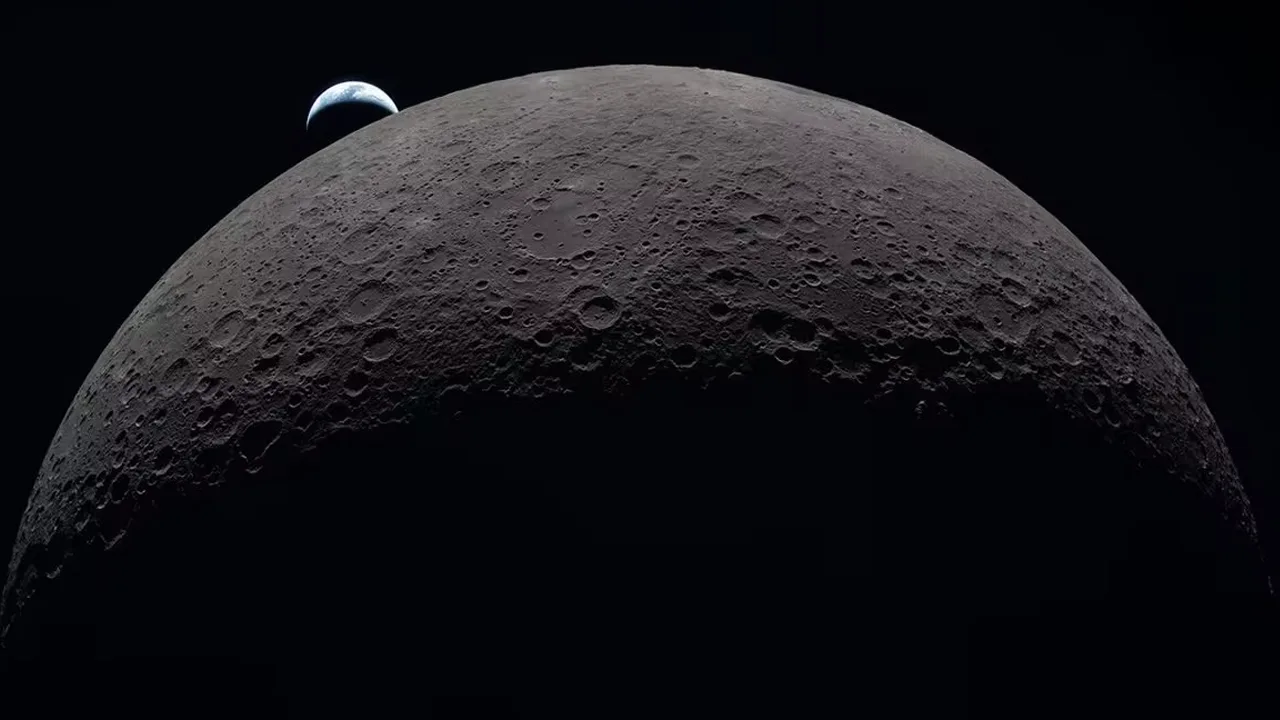
New research shows low lunar gravity makes water flow less freely due to surface tension, complicating plans for growing food on future moon bases.
A new study by researchers John Z. Kiss, Karl H. Hasenstein, and Christopher P. McKay shows that surface tension plays a far bigger role in how water behaves on the Moon, where gravity is just one-sixth of Earth's. Kiss, Florida Tech's provost and senior vice president for academic affairs, said water "doesn't flow as freely in lunar gravity," meaning irrigation systems would need a different design than those used on Earth.
Why This Matters for Lunar Farming
Growing plants is considered essential for long-term lunar bases, providing food, oxygen, medicine, water purification, and waste recycling as countries and companies, including those pursuing Elon Musk's vision of permanent Moon and Mars settlements, work toward sustained human presence there.
Testing It in Simulated Lunar Gravity
The researchers ran an experiment during a Blue Origin New Shepard flight in February 2025, using roughly two minutes of simulated lunar gravity created by spinning to observe how pure water, a salt solution, and a 30% glycerol solution behaved in containers. Water moved poorly because lunar soil consists of fine dust and rock fragments that don't absorb water easily, limiting irrigation, reducing oxygen availability, and potentially harming plant growth.
A Possible Fix
Of the three solutions tested, the glycerol solution flowed better than plain water, suggesting certain additives could help future lunar soil absorb water more effectively. The custom hardware, including cameras and accelerometers, performed well, and the team plans further studies building toward experiments on the actual lunar surface.
Related stories
 Education
How to Apply to European Universities: Official Links & Steps
· 2 min read Education
Best European Countries for Pakistani Students After 2nd Year: Scholarships, IELTS & Language Requirements (2026–27 Guide)
· 5 min read Education
Girls Beat Boys by Double Digits Across Every Single Punjab Board — Here Are All the Toppers
 Education
5-Year Degree, 4-Year Fee: PMDC's New Rule for Dental Students
 Education
Free Classes, Merit-Only Admissions: Inside Pakistan's New Tech University
 Education