Bill Gates Is Betting $1 Billion That AI Won't Just Help the Rich Get Richer
The Gates Foundation pledges $1 billion over two years for AI in healthcare, education, and agriculture — with $100 million specifically targeting underserved African languages.
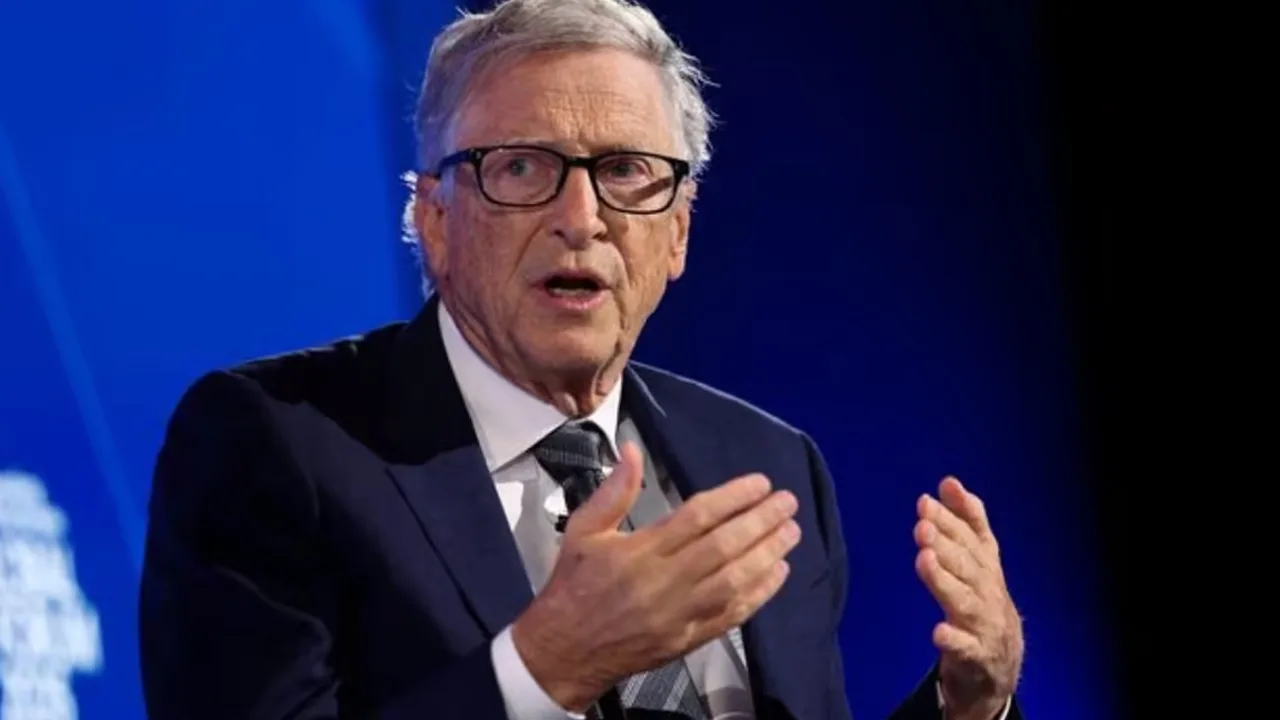
Bill Gates warns AI could deepen global inequality as the Gates Foundation pledges $1 billion for AI projects in healthcare, education, and agriculture.
Bill Gates has warned that artificial intelligence could make inequality worse if tech companies and governments don't ensure its benefits reach underserved communities, sharing his concerns in the Gates Foundation's annual Goalkeepers report, which tracks progress toward the UN's 2030 development goals. The foundation has pledged $1 billion over the next two years for AI projects in healthcare, education, agriculture, and local-language technology.
Where the Money Is Actually Going
About $400 million will go to education, including AI tools helping teachers adjust lesson plans to individual students. Another $400 million targets healthcare, including tools to help doctors catch overlooked symptoms. Roughly $100 million supports agriculture through AI-powered advice on weather, pests, and fertilizer use — and a further $100 million goes specifically toward AI datasets and systems for underserved African languages.
Big Tech Is Already Involved
Google and Microsoft's AI for Good Lab have already helped strengthen AI frameworks for underrepresented languages. OpenAI has pledged $50 million to train health workers in Rwanda, while Anthropic is working on vaccine development and improving AI data for local crops.
The Warning Behind the Investment
Gates has previously said AI could either promote equality or become "a major source of injustice," citing risks like fraud, misinformation, cyberattacks, and surveillance. Foundation CEO Mark Suzman echoed this, saying AI could be a powerful tool for global challenges — but only if its benefits actually reach more people.
The Bottom Line
A billion dollars is a serious statement of intent, but the real test isn't the pledge itself — it's whether AI tools built for Rwandan health workers, African language speakers, and smallholder farmers can genuinely close gaps rather than simply following the money toward wealthier markets by default.
Related stories
 IT Exports
Pakistan's AI Numbers Just Went Public in China — Here's Every Figure Shared
 Technology
Even AI's Own Creators Now Say: Slow Down. But Can They Actually Do It?
· 3 min read Cyber Security
Anthropic Reveals Hackers Misused Claude AI to Scan Millions of Apps for Stolen Data
· 4 min read Technology