Pakistan Moves to Digitise Power Sector: What Could Change for Electricity Consumers?
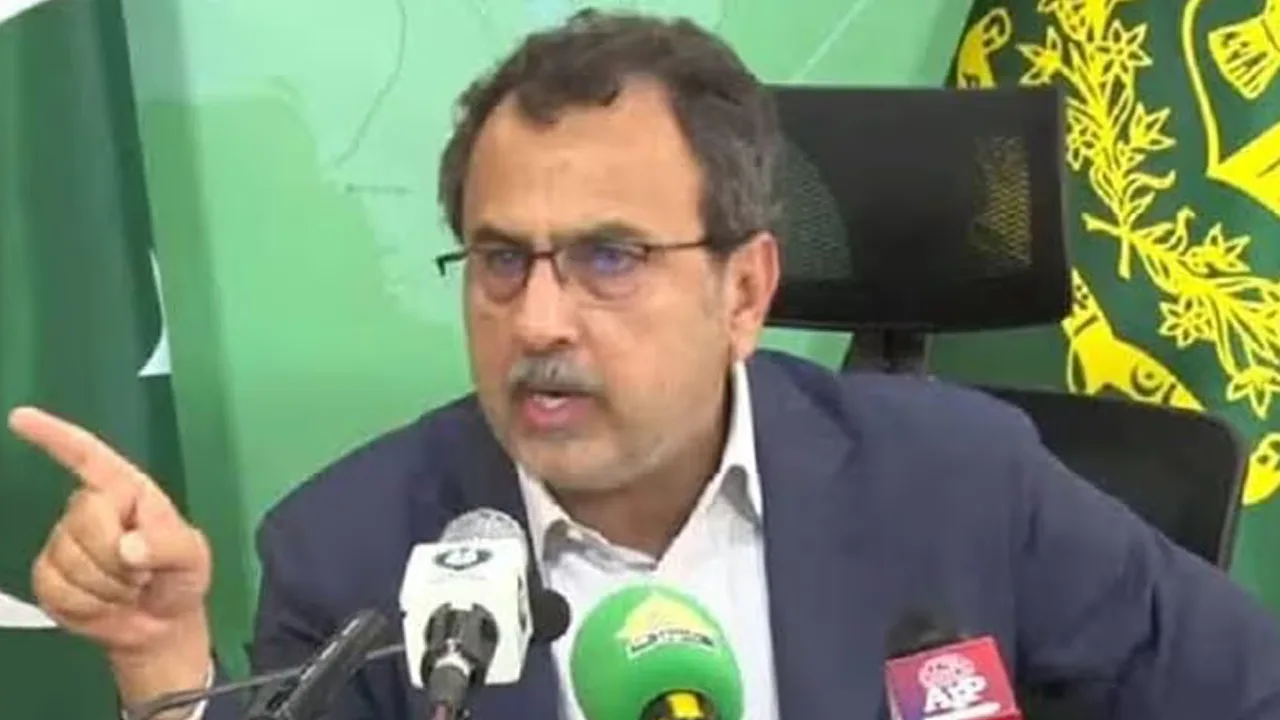
Pakistan is advancing power sector reforms through digital meters, smart monitoring and grid upgrades to improve transparency, reduce electricity losses and strengthen services.
Pakistan is taking steps to modernise and digitalise its power sector, with a focus on improving efficiency, transparency and electricity distribution.
Federal Minister for Power Sardar Awais Ahmad Khan Leghari has highlighted the importance of using modern technology to improve the country's electricity system. The government is working on digital monitoring, smart meters and upgrades to the national grid as part of wider power sector reforms.
Digital Meters and Smart Monitoring
One of the key measures is the gradual installation of Advanced Metering Infrastructure (AMI) meters. These digital meters can help improve the collection of electricity usage data and support more accurate monitoring.
The government has also been working on digital systems to monitor transformers and identify electricity theft and distribution losses. Such technology can help power distribution companies identify problems more quickly and take targeted action.
Steps to Reduce Electricity Losses
Electricity theft, technical losses and weak recovery systems have placed pressure on Pakistan's power sector. The government is using technology-based monitoring and audits to identify the causes of these problems.
In September 2026, officials announced plans for technical audits of all electricity distribution companies to assess power theft and other losses. The findings are intended to support more focused action and improve accountability.
Modernising the National Grid
The reforms also include upgrading transmission lines, improving grid capacity and exploring battery energy storage systems. These measures are intended to help manage electricity supply more efficiently and support the integration of different energy sources.
The government has also been working towards a more competitive electricity market, which could allow eligible businesses to purchase power directly from producers under a regulated framework.
What Could This Mean for Consumers?
Digital systems could help improve billing accuracy, identify faults and make electricity distribution more efficient. Better monitoring may also help reduce losses across the network.
However, these changes will take time to implement. The impact on electricity bills, outages and service quality will depend on how effectively the reforms are carried out and whether the savings reach consumers.
What Happens Next?
Pakistan's power sector digitalisation programme remains part of a broader effort to improve the financial and technical performance of electricity distribution companies.
Progress will depend on the installation of equipment, reliable data systems, investment in infrastructure and effective oversight. Consumers will be looking for measurable improvements in billing, supply reliability and service delivery.
Related stories
 Power
Electricity Subsidy to Be Linked to Household Income: Current Subsidy Slabs Explained
 Power
Electricity Prices May Rise by Rs1.73 Per Unit, NEPRA Hearing Today
 Trade
Qatari LNG Shipment Reaches Karachi Port Despite Regional Tensions
· 4 min read Power
Building a Consumer-Friendly Power Sector: Pakistan's New Reform Push
· 2 min read Economy