Building a Consumer-Friendly Power Sector: Pakistan's New Reform Push
A Fresh Push for Power Sector Reforms
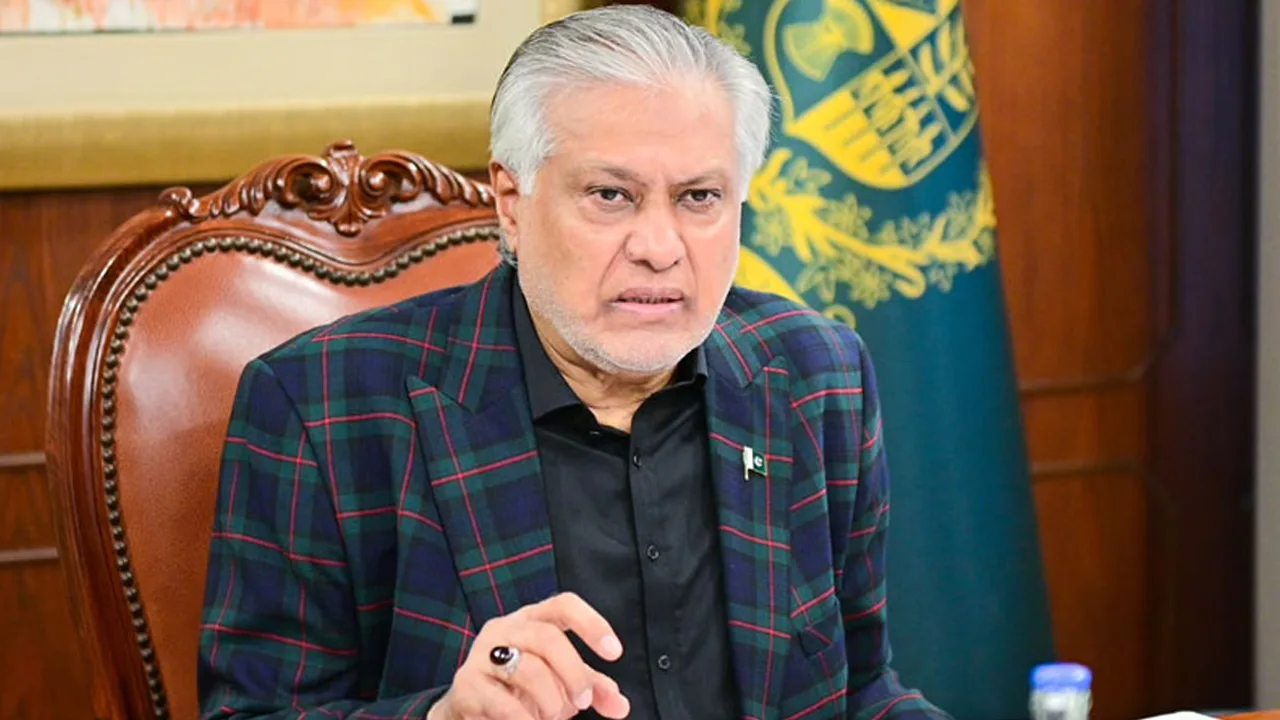
A special government committee reviews power sector reforms in Pakistan, focusing on consumer-friendly policies, efficiency, sustainability, and stronger institutions for long-term results.
Pakistan's leadership is focusing on the electricity sector, a crucial part of the economy. A special committee, directed by the Prime Minister, recently met to review planned reforms. The Deputy Prime Minister, who is also the Foreign Minister, led the meeting. Senior officials discussed ways to strengthen the power sector, making it more efficient and beneficial for ordinary users.
This meeting is part of a broader plan to address long-standing issues in electricity generation, distribution, and billing. These problems have impacted households and businesses, making reforms a top priority for policymakers.
What Was Discussed in the Meeting
The committee examined the progress of reform and privatization plans. Privatization involves transferring state-run operations to private hands to improve performance and reduce losses. The committee assessed the current status and future needs of these efforts.
A significant part of the discussion focused on strengthening key institutions in the power sector. This includes enhancing the skills and capacity of the people and organisations managing the system. Strong institutions are crucial for successful reform, as even the best policies can fail without capable teams.
Putting Consumers at the Centre
One of the main points raised was the need to prioritise consumers in these reforms. The Deputy Prime Minister emphasised that changes should directly benefit electricity users. Reforms should lead to real improvements in consumers' lives, not just better statistics.
A consumer-centric approach aims for reliable electricity supply, fair and transparent billing, and preventing inefficiencies from unfairly affecting the public. Such reforms can build public trust and support.
Focus on Efficiency and Sustainability
Efficiency was another major theme. The power sector struggles with technical losses, outdated infrastructure, and management challenges. By improving efficiency, the government aims to reduce waste and better utilise resources. This includes enhancing electricity transmission and reducing the gap between production and billing.
Sustainability was also highlighted. Reforms should create a system supporting long-term growth, meeting rising electricity demand while remaining financially stable and environmentally responsible.
Why Institutional Strength Matters
The meeting emphasised institutional effectiveness. Government institutions are vital in planning, regulating, and overseeing the power sector. Well-trained, properly resourced institutions with clear responsibilities are more likely to implement reforms smoothly.
Capacity building involves training staff, upgrading systems, and improving available tools. Investing in people and processes is seen as a foundation for lasting change.
A Results-Oriented Approach
The meeting stressed the importance of focusing on results. Introducing new policies is not enough; the real test is whether they produce measurable improvements. The Deputy Prime Minister highlighted that reforms should be driven by clear outcomes, allowing progress to be tracked and adjusted as needed.
This results-based approach aims to avoid reforms that look good in theory but fail in practice. By setting clear goals and monitoring outcomes, authorities hope to build a power sector that genuinely serves the public.
Looking Ahead
The review meeting marks another step in modernising Pakistan's power sector. With reforms addressing privatization, institutional strengthening, efficiency, and consumer welfare, the effort is broad. The consistent message is that any change must ultimately serve electricity users.
As reforms progress, more updates on privatization plans and consumer experience improvements are expected. The message from this meeting is clear: the power sector's future should focus on efficiency, sustainability, and consumer needs.
Related stories
 Oil & Gas
Govt Prioritises Transparent, Competitive LPG Allocation
 Power
Electricity Subsidy to Be Linked to Household Income: Current Subsidy Slabs Explained
 Power
Electricity Prices May Rise by Rs1.73 Per Unit, NEPRA Hearing Today
Government Approves Refinery Upgrade Policy to Modernize Pakistan's Oil Sector
· 3 min readPM Directs Increase in Strategic Petroleum Reserves to Strengthen Energy Security
· 3 min read Business