Middle East Tensions Drive $1.2 Billion Contraction in National Exports
Disruptions in regional shipping corridors impact key sectors, including rice, textiles, and agricultural commodities.
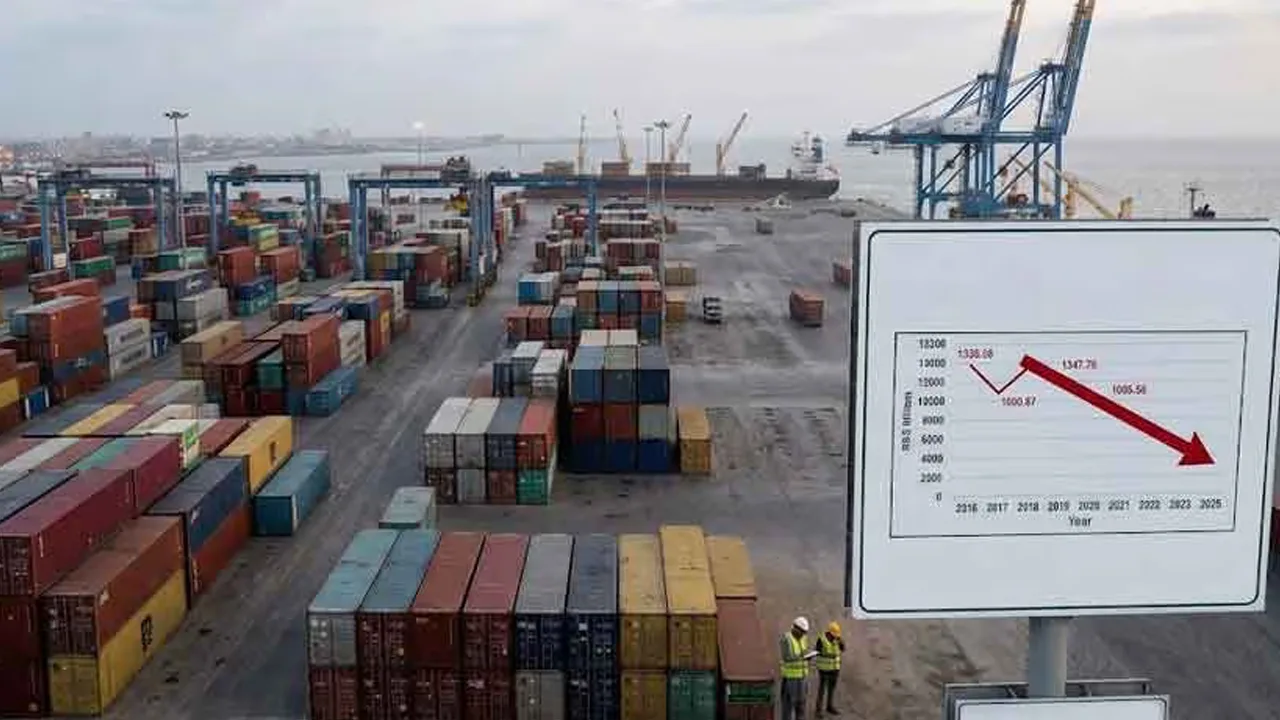
Pakistan's total exports dropped by $1.2 billion to $30.8 billion in FY2025-26 as ongoing Middle East tensions disrupted vital regional trade routes.
National export proceeds declined by 1.2 billion dollars to settle at 30.8 billion dollars during the fiscal year 2025-26, primarily due to prolonged geopolitical conflicts across the Middle East. Regional maritime interruptions and increased international shipping costs disrupted standard cargo routes, putting significant pressure on outward trade flows. Key export categories—most notably rice, manufactured textiles, and agricultural goods—faced the heaviest impact from delivery delays and subdued regional demand.
Among the affected sectors, rice exports suffered the steepest drop, contracting by approximately 1.02 billion dollars during the fiscal period. Commercial transport across Gulf waters experienced elevated transit times and higher cargo insurance rates, which restricted shipping frequencies from major domestic ports. Furthermore, regional logistic constraints slowed down orders for value-added textiles and refined sugar shipments bound for Western Asian markets.
To address these external headwinds, commercial stakeholders and trade authorities are focusing on diversifying international export corridors. Steps are being taken to expand market access across Central Asia and explore alternative transport routes, ensuring domestic industries remain resilient against external geopolitical challenges.
Related stories
 Trade
TradePM Wants Exports to Become Pakistan's New Growth Engine — Here's His Full Game Plan
 Trade
TradeCommerce Minister Seeks Stronger Pakistan-Hong Kong Trade Ties
· 2 min read Trade
Trade