Oil Shipping Costs Soar, Adding to Global Prices
The cost of moving a barrel of crude from the US to Japan has risen about ninefold in a year, adding to fuel and goods prices, according to analysts.
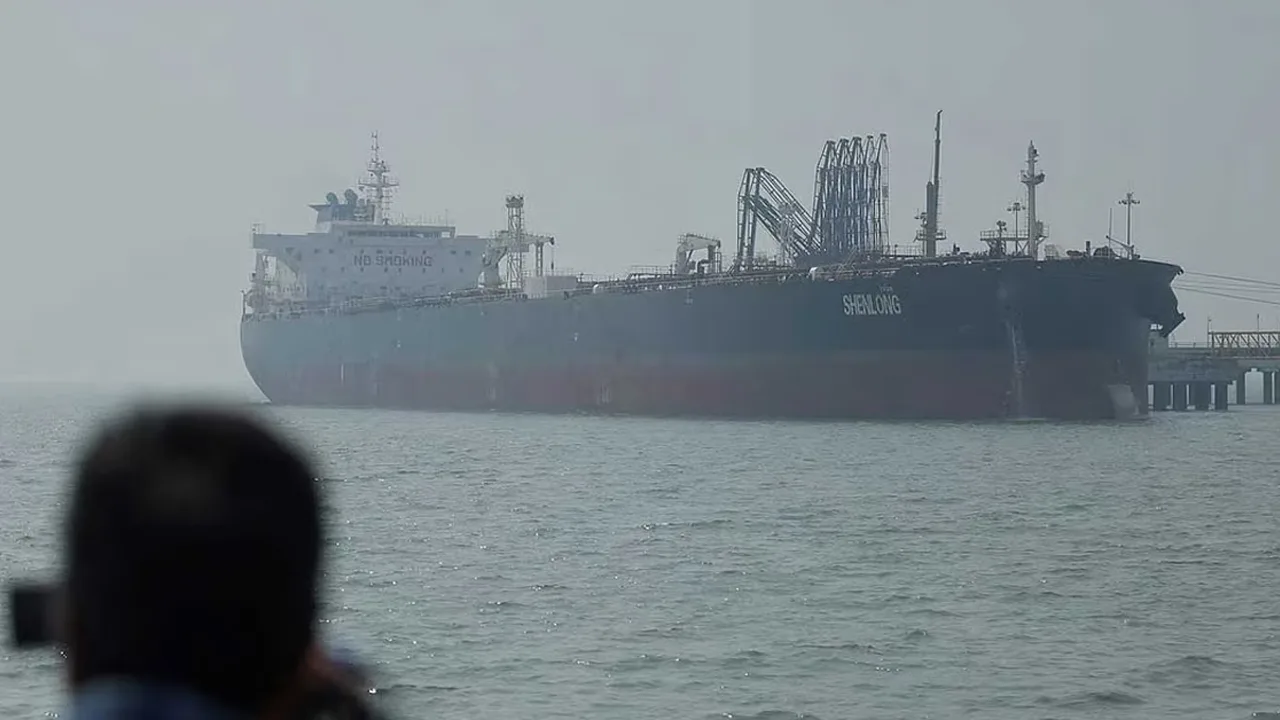
Shipping a barrel of US crude to Japan now costs about $40.50, nearly nine times last year, adding to fuel and goods prices.
Freight rates for moving oil have surged, adding to fuel and consumer prices worldwide, according to a Reuters analysis. The supertanker Esteem Explorer, which will carry about 2 million barrels of US crude to Japan in late November, will cost $81 million for the voyage, compared with an average of $9.1 million for the same journey last year. That works out to $40.50 per barrel, about nine times last year’s rate.
Impact on Prices
Freight now makes up more than 40% of the price of US oil at around $95 per barrel, compared with an average of 7% in 2025, according to LSEG data.
Kenneth Medlock of the Baker Institute for Public Policy said every $10-per-barrel rise in shipping costs adds about 23 cents per gallon to US gasoline, and warned that the effect on food and goods prices builds up the longer the situation lasts.
Import-dependent countries such as India, the Philippines and Indonesia bear the brunt, he said. The International Energy Agency said record tanker rates are already squeezing Asian refiners’ profits.
What Is Driving the Rise
Attacks on ships linked to the US-Iran and Russia-Ukraine wars have raised freight and insurance rates. Rates from the Strait of Hormuz and the Red Sea to Asia hit a record of around $34 per barrel this week, as shippers price in a risk premium. Ships are also taking longer routes, and shippers moving Saudi oil are using more vessels with ship-to-ship transfers, which reduces availability. Freight rates for some mid-sized tankers have quadrupled since the Iran war began in February, according to Signal Ocean.
Tanker Owners
Owners have earned as much as $1.3 million per ship per day on the Persian Gulf-Asia run, compared with $55,000 on average in 2025. Analyst Erik Broekhuizen of Poten & Partners said rates will remain strong while crude demand exceeds supply, but could fall quickly once the market loosens.
Related stories
 Breaking
Aurangzeb Discusses M6 Motorway Financing With OPEC Fund
 Breaking
Pakistan, World Bank Agree to Deepen Cooperation
 Breaking
Aurangzeb Reaffirms Commitment to Completing IMF Programme
 Middle East
Cargo Ship Sinks in Strait of Hormuz; All 21 Crew Rescued
 Business
Ahsan Iqbal Calls for Policy Continuity for Sustainable Growth
 Business