Nikahnama's Columns 13-16 Just Got a Landmark Interpretation From the Supreme Court
The SC rules that a wife's right to haq mehr survives even if the promised property is never transferred — the husband must pay its market value instead.
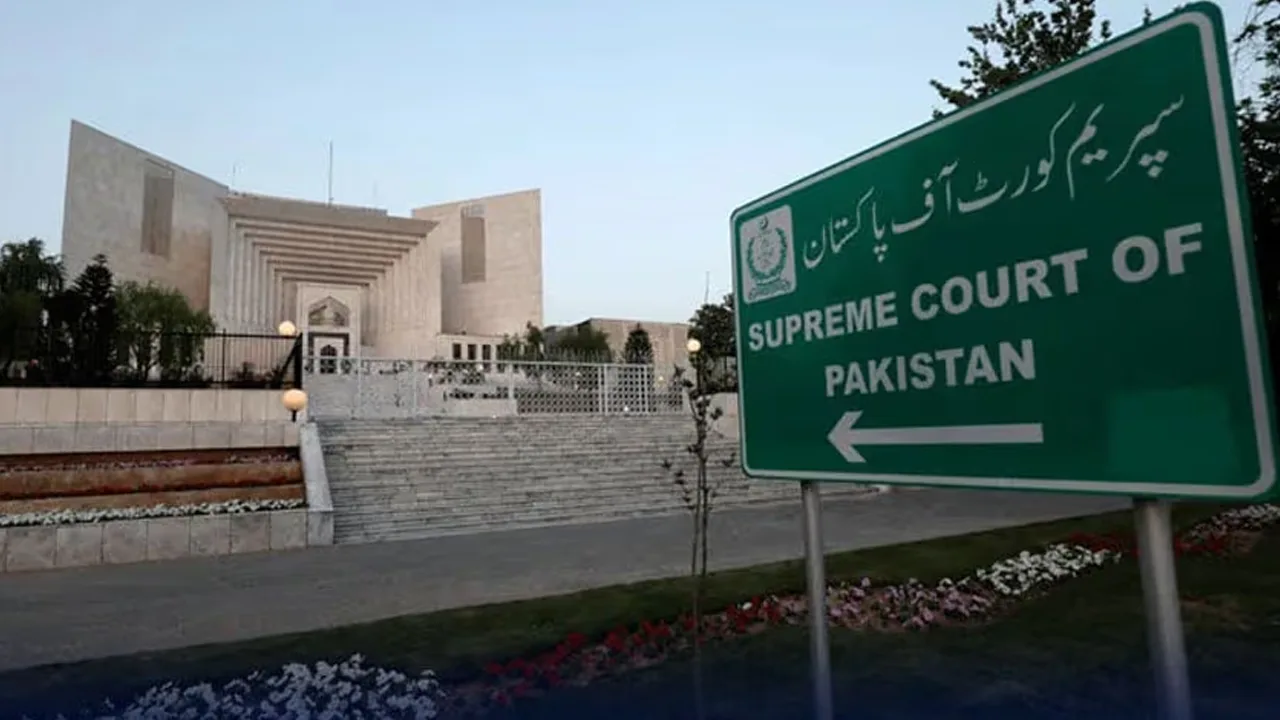
Pakistan's Supreme Court rules a wife's haq mehr right survives even if promised dower property isn't transferred, requiring payment of its market value instead.
The Supreme Court has ruled that a wife's right to haq mehr does not disappear simply because property promised as dower was never transferred to her. The husband remains liable for the obligation, and where the agreed property cannot be transferred, its agreed value must be paid — or, if no value was recorded in the nikahnama, the court can determine the property's market value.
Nikah Isn't Just Another Contract
The four-member bench, headed by Justice Shahid Waheed, held that nikah is not merely an ordinary civil or commercial contract but a unique legal institution, with haq mehr described as neither a price paid for the wife nor commercial compensation, but her mandatory, exclusive, and enforceable financial right.
Why Columns 13-16 Matter
The court explained these four nikahnama columns must be read together: Column 13 records whether dower is cash, property, or both; Column 14 covers prompt versus deferred dower; Column 15 records what was already paid at marriage; and Column 16 details any property given in lieu of dower, including its value.
A Presumption That Can Be Challenged
While the nikahnama carries a legal presumption of accuracy as the primary record of the marriage contract, the court clarified this presumption isn't conclusive — it can be rebutted through strong evidence, with courts free to examine other admissible evidence where entries are ambiguous.
A Pointed Note From Justice Shahid Bilal Hassan
In his additional note, Justice Hassan stressed that nikah registrars must carefully complete every column, that key terms should be read aloud to both parties before signing, and that no column should be left blank without valid reason — placing responsibility squarely on how the document is filled out at the time of marriage.
The Bottom Line
This ruling closes a real loophole: a husband can no longer simply avoid the promised dower by never transferring the property — its value becomes a payable, enforceable debt regardless, while the added emphasis on properly completed nikahnamas aims to prevent this kind of dispute from arising in the first place.
Related stories
 Pakistan
Pakistan's Top Judge Just Debunked a Rumor About Judges' Long Vacations
· 2 min read Politics
SC Judges Reject Proposal for Collective Resignations
· 2 min read Politics