Joint Ventures and Infrastructure Expansion
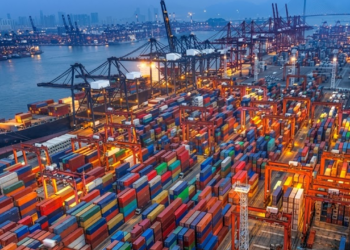
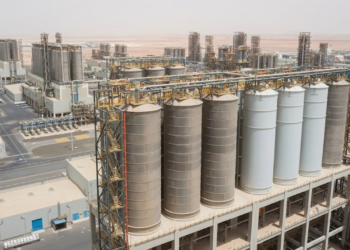
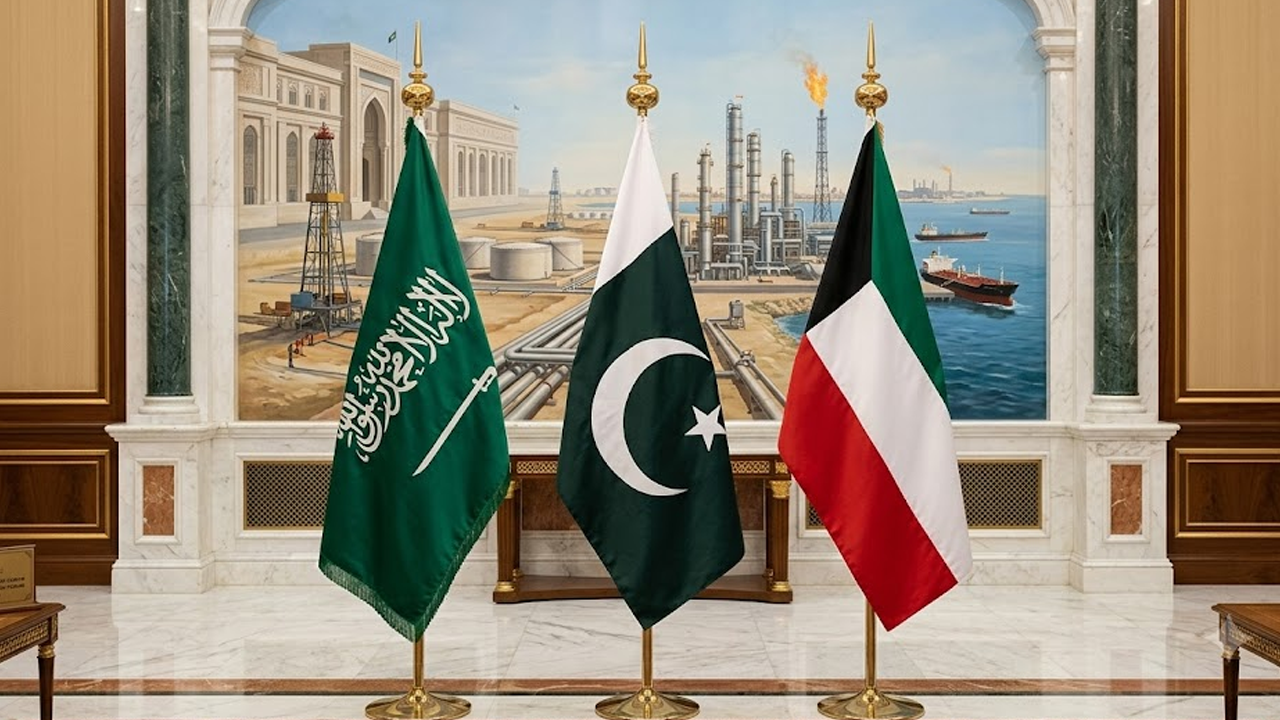
At the absolute operational center of this scheme is the creation of large-scale customs-bonded storage hubs. Working in conjunction with a recently proposed domestic policy to allow foreign suppliers to hold tax-free bonded inventory, the government is actively seeking direct foreign investment from Saudi Arabia, Kuwait, and Qatar to physically construct new tank farms and terminal facilities at critical maritime locations like Port Qasim and Gwadar. The proposed partnerships are structured to guarantee long-term operational leases to the contributing nations.
Strategic Geopolitics and Energy Buffers
The initiative is heavily driven by regional geopolitical considerations. By allowing Gulf partners to stockpile vast quantities of crude and refined products on Pakistani soil, those nations can secure a strategic energy buffer outside the volatile Strait of Hormuz. Conversely, for Pakistan, hosting these international reserves guarantees a highly reliable emergency domestic supply in the event of severe global market shocks or sudden supply chain blockades.
Legislative Support and Regulatory Framework
To support this massive infrastructure undertaking, the government is working closely with the Special Investment Facilitation Council (SIFC) to streamline regulatory approvals and bypass bureaucratic hurdles. Authorities are currently drafting comprehensive legislative amendments to ensure that the foreign-owned storage facilities are protected under long-term sovereign guarantees, facilitating secure, unhindered cargo movement and the right for these foreign entities to freely re-export their products as needed.