Strategic Trade Goals and Volume Targets
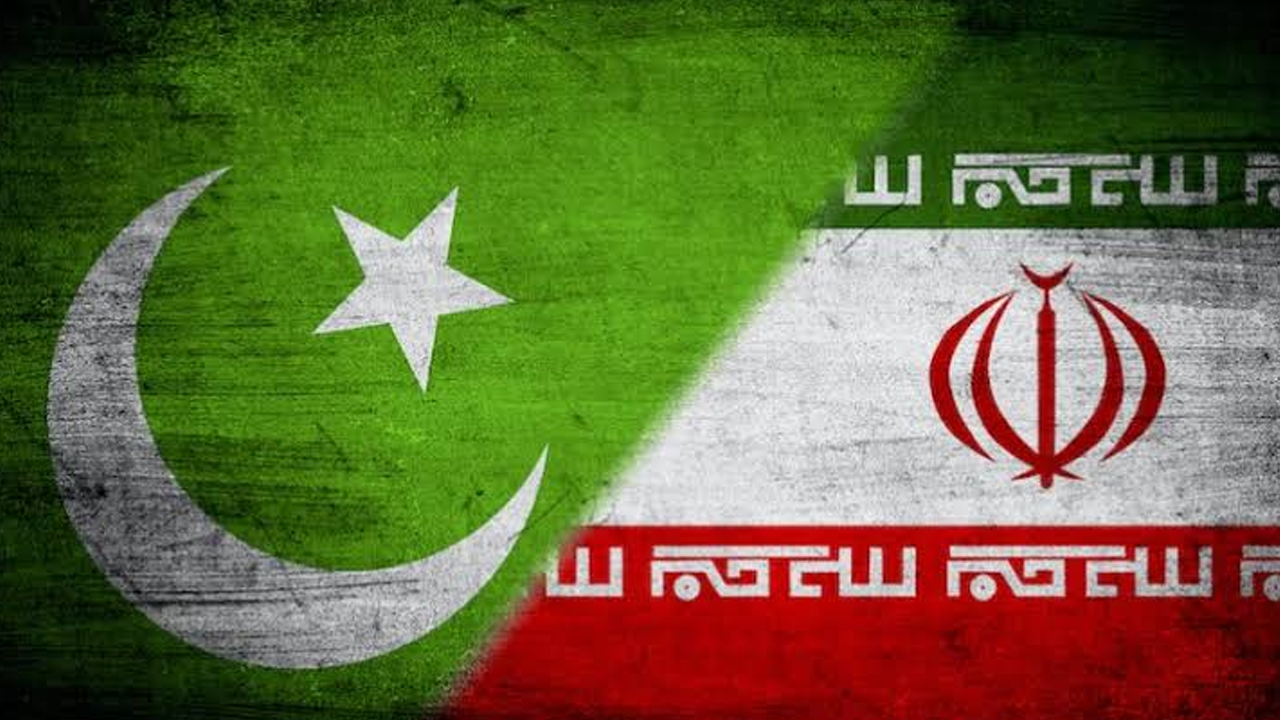
At the absolute operational center of these renewed negotiations is a mutual commitment to elevate the annual bilateral trade volume to a targeted $5 billion over the next few years. Delegations from both Islamabad and Tehran have prioritized establishing formal payment mechanisms and removing tariff bottlenecks that have historically hindered the smooth exchange of goods, particularly in the energy, manufacturing, and agricultural sectors.
Border Markets and Infrastructure Development
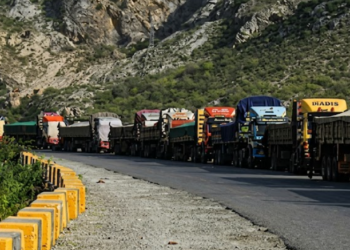
Alongside the FTA discussions, officials have heavily emphasized the operationalization of joint border markets and the enhancement of transport infrastructure. By facilitating smoother transit logistics and formalizing cross-border commerce, both governments seek to curb informal smuggling networks while providing legal, structured economic opportunities for communities residing along the shared border regions.
Geopolitical and Economic Implications
For Pakistan, securing a comprehensive trade pact with Iran offers a strategic avenue to secure cost-effective energy supplies and expand its export footprint for textiles, rice, and surgical goods. The collaborative move signals a broader regional pivot toward economic self-reliance and cooperative development, navigating the complexities of international trade frameworks and regional geopolitical dynamics to secure mutual prosperity.