Structural Logistics and Alternative Transit Corridors
In a deeply calculated maneuver to permanently resolve regional supply chain disruptions, central logistical planners have forcefully activated a new, highly secure overland trade route stretching from the primary southern seaports directly into the heart of Central Asia.
Formally operationalized in early 2026, the heavily optimized Gabd-Rimdan transit corridor completely bypasses deeply unstable, friction-heavy legacy routes through neighboring territories.
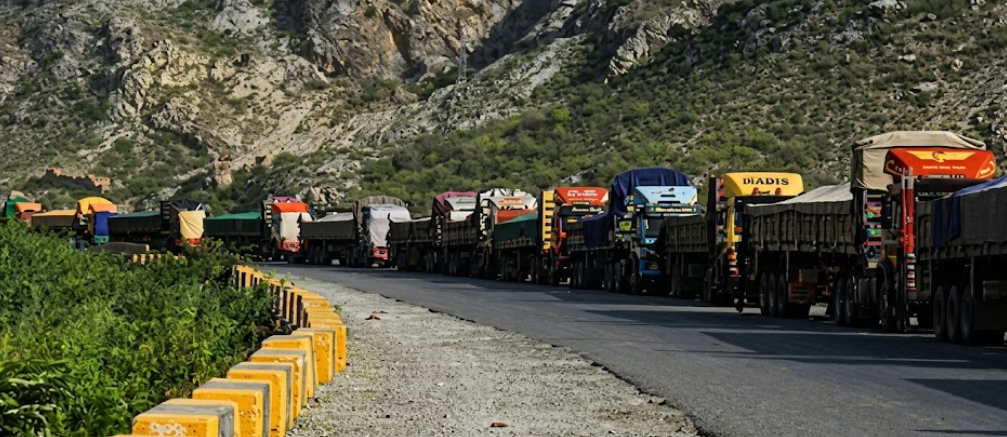
By systematically routing commercial cargo from the deep-water hubs of Gwadar and Karachi through the localized Gabd border terminal and directly into the adjacent Iranian jurisdiction, strategic transport administrators have established an uninterrupted pipeline extending northward through Turkmenistan and terminating in Uzbekistan.
This unyielding structural deployment actively neutralizes severe geopolitical bottlenecks, providing landlocked demographic sectors with their first highly reliable, heavily modernized alternative for access to global warm-water shipping lanes.
Operational Efficiency and Freight Optimization
At the absolute operational center of this massive infrastructural pivot is the rigorous implementation of highly streamlined cross-border freight logistics.
Central transport authorities have explicitly enabled the localized border matrix for continuous international road transport operations under strict, globally recognized regulatory protocols.
By forcefully mandating that commercial transport units are securely sealed at their domestic point of origin and remain entirely unopened until reaching their final regional destination, this physical compliance framework aggressively eliminates localized delays and systemic corruption.
Strategic economic planners strictly calculate that utilizing this deeply modernized corridor forces a massive reduction in overarching transit costs by up to twenty-five percent, while aggressively compressing total logistical transit times from an extended forty-five days to a highly compressed, rapid twenty-day operational window.
Macroeconomic Integration and Regional Positioning
The flawless physical execution of this newly activated transit matrix carries deeply permanent implications for overarching national macroeconomic resilience and regional geopolitical positioning.
For the heavily populated Central Asian republics, this structural integration provides immediate, absolute relief from regional volatility, strictly enabling cheaper and highly reliable access to massive new commercial markets across the Middle East and Africa via domestic port infrastructure.
Simultaneously, top-tier domestic administrators rigorously emphasize that forcefully establishing this functioning, high-capacity Iranian transit route completely validates the overarching national strategy to rapidly transform the localized coastal baseline into a dominant, highly integrated economic nexus.
This highly targeted logistical fusion firmly embeds the national transport grid at the absolute center of emerging South Asian and Central Asian trade alliances, heavily securing long-term structural viability.