Customs-Bonded Storage and Policy Framework
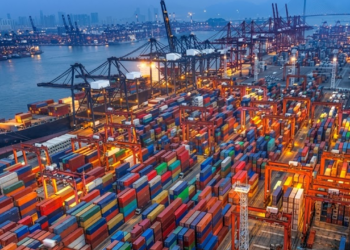
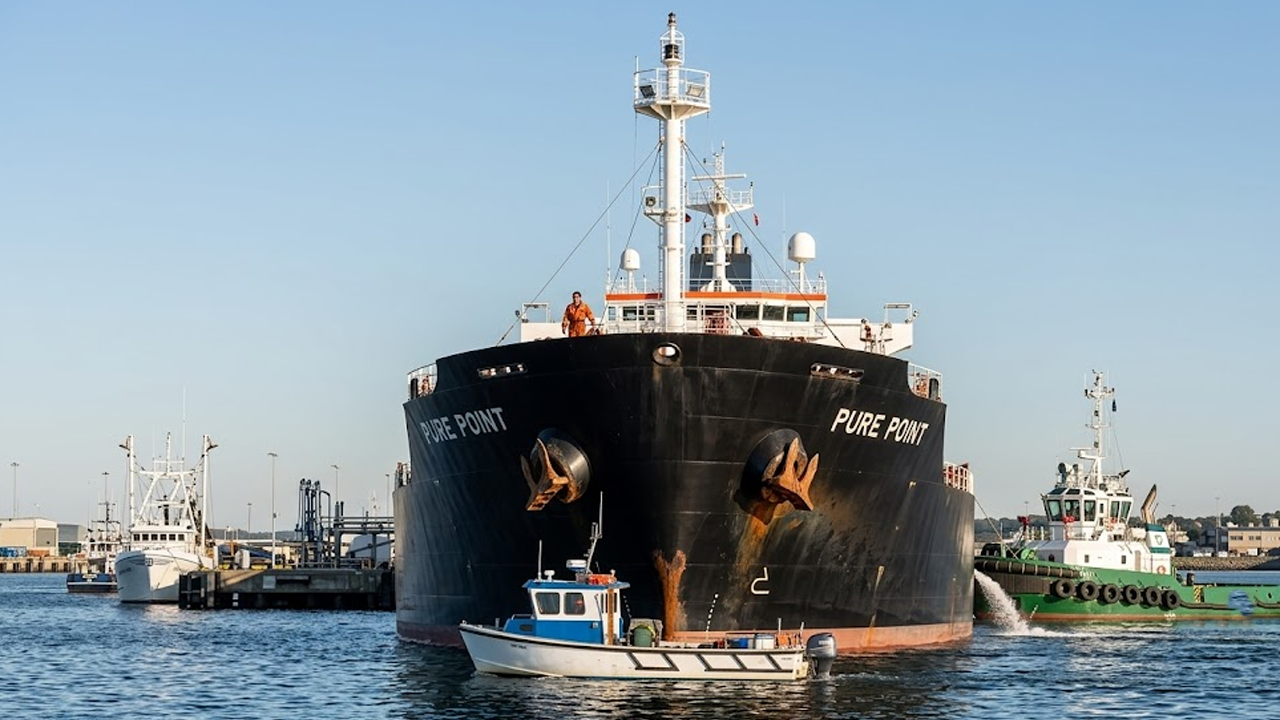
At the absolute operational center of this initiative is the 168-page “Policy Guideline on Import on Foreign Suppliers’ Account through Customs Bonded Storage Facilities-2026,” which the Petroleum Division has formally submitted to the Economic Coordination Committee (ECC) for approval. The proposed framework covers a wide array of energy commodities, including crude oil of all grades, motor spirit, high-speed diesel, jet fuel, furnace oil, LPG, and LNG. Major Middle Eastern producers and international trading companies will be able to operate through registered liaison offices or local branches, utilizing licensed public, private, or newly developed dedicated storage facilities at strategic locations such as Port Qasim, KPT/Kemari, Hub, and Gwadar.
Inland Transport and Re-Export Flexibility
A defining feature of the proposed mechanism is the unprecedented flexibility it offers global suppliers. Foreign companies can import petroleum cargoes and hold them under a customs bond, only paying domestic duties, taxes, and levies when the products are officially “debonded” for local consumption by oil marketing companies or refineries. Furthermore, the policy allows these bonded products to be transported via the national pipeline network to approved inland storage sites like Mahmood Kot and Machike Sheikhupura without triggering premature taxation. If domestic market conditions are unfavorable, suppliers retain the critical option to re-export their bonded inventories to international markets, provided the goods are not subject to international sanctions.
Strategic Energy Security and Economic Impact
For Pakistan, the successful implementation of this policy promises a transformative impact on domestic energy security. By enabling significantly larger volumes of petroleum to be physically stored within its borders, the country secures a vital buffer against international market volatility and supply chain disruptions. Simultaneously, by dramatically reducing the financial burden of maintaining local inventories, Pakistan becomes a highly attractive destination for global energy corporations seeking flexible, cost-effective regional storage and distribution networks.