7 Foods You Should Generally Avoid Storing in the Fridge
From tomatoes to coffee, experts say these common kitchen staples are better kept at room temperature to preserve their flavour and texture.
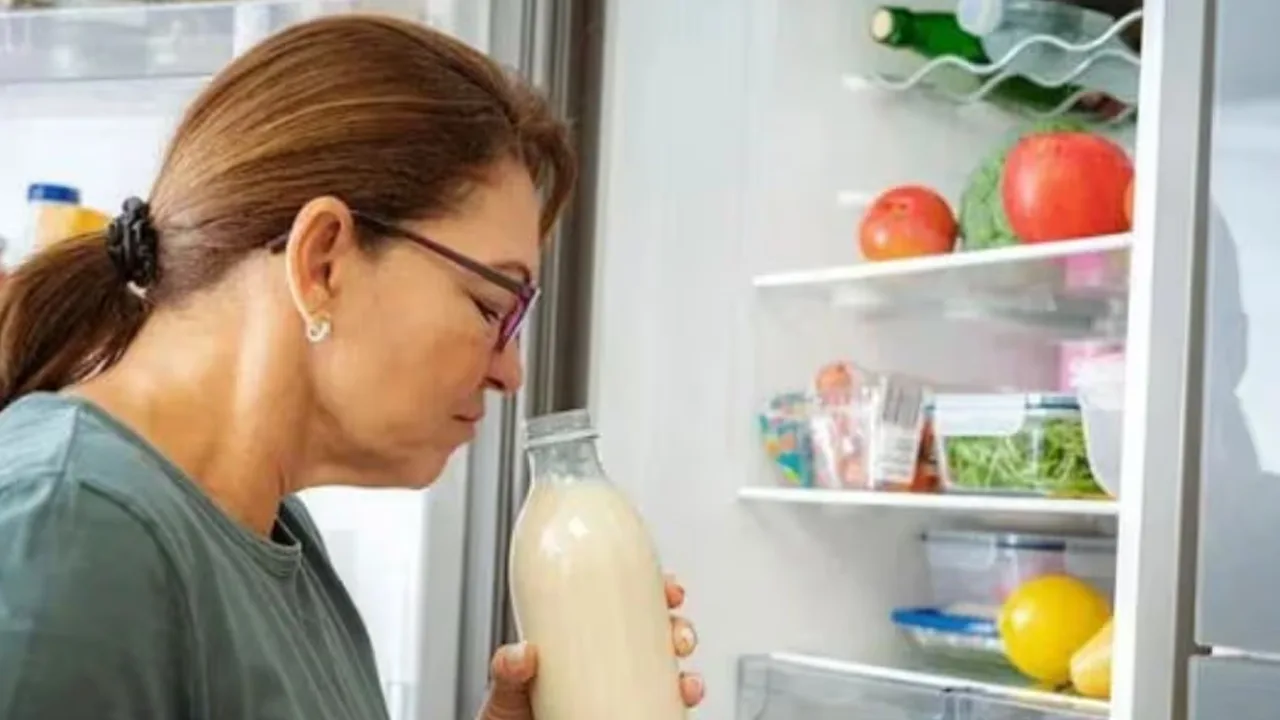
Experts explain why tomatoes, potatoes, onions, bread, bananas, and coffee are generally better stored outside the fridge to preserve flavour and texture.
While refrigeration helps extend the shelf life of many foods, some everyday items are generally better stored outside the fridge, experts say. Low temperatures can affect the texture and flavour of certain foods and, in some cases, may accelerate quality deterioration.
1. Tomatoes
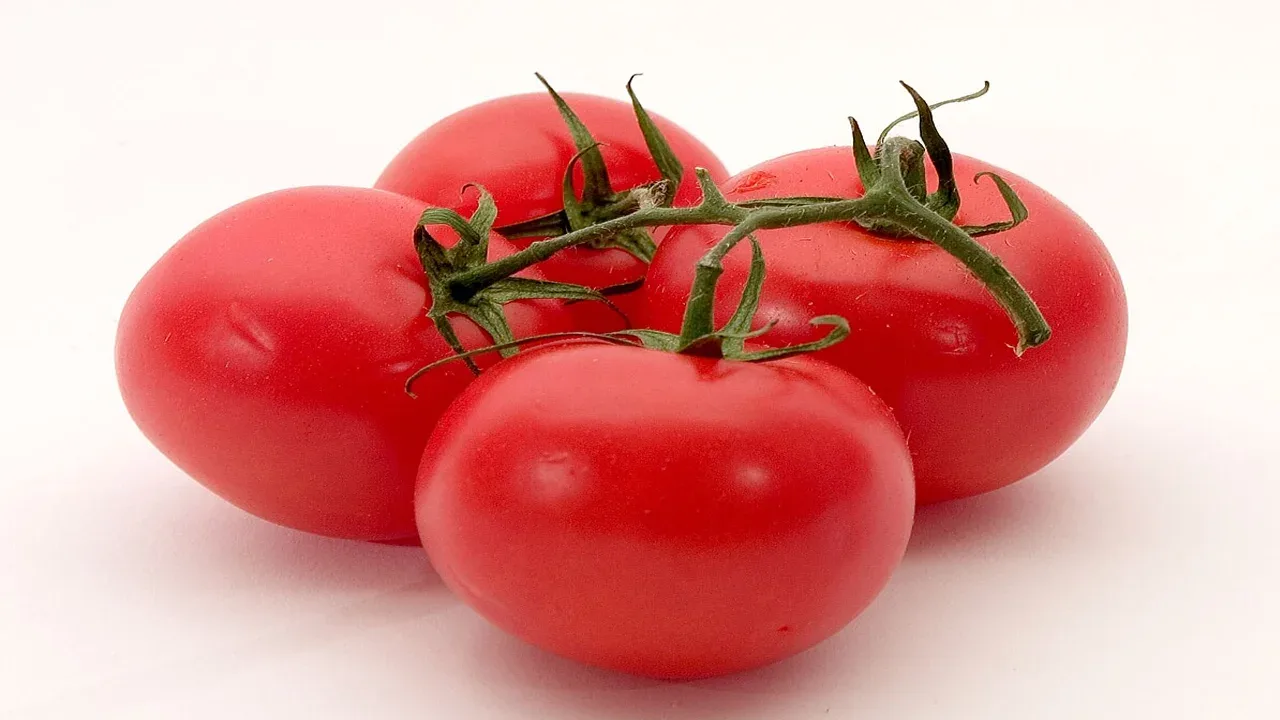
Refrigerating tomatoes can affect their texture and flavour, making them softer and reducing some of their natural sweetness and aroma. Cold storage essentially halts the ripening process in a way that compromises taste.
Whole tomatoes are generally best kept at room temperature away from direct sunlight. Once cut, however, they should be refrigerated to prevent spoilage.
2. Potatoes
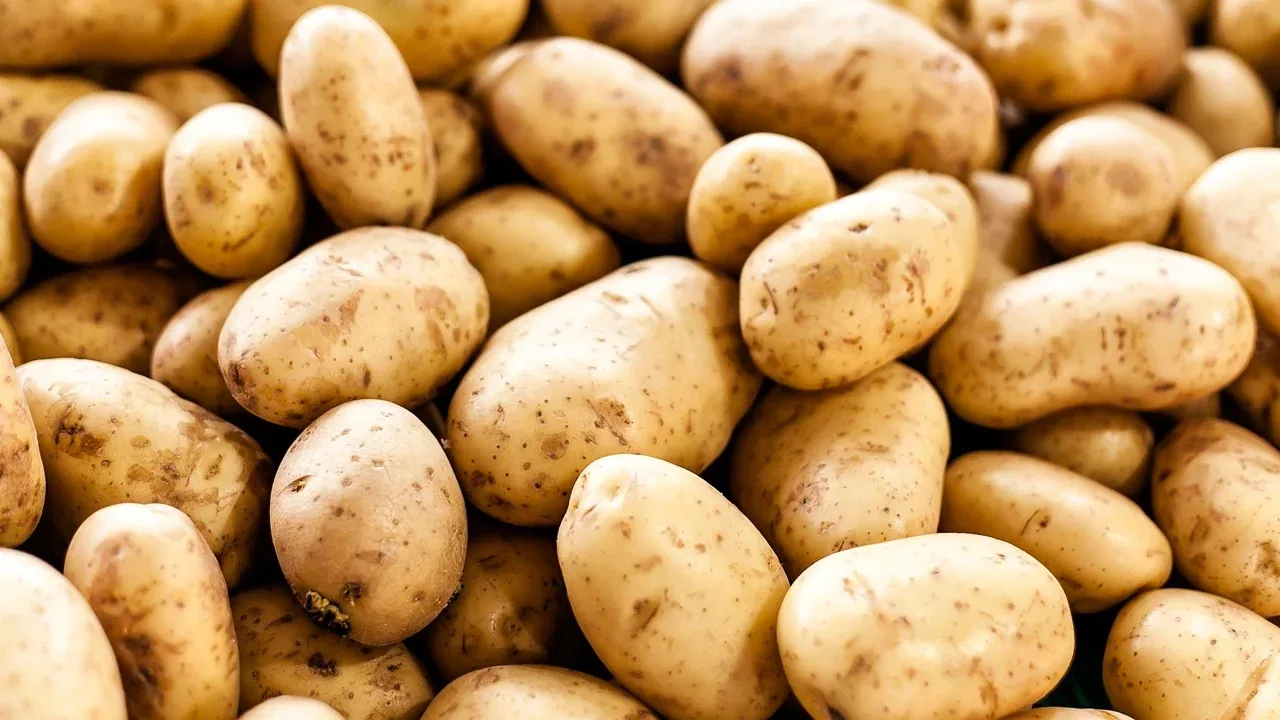
Cold temperatures can cause some of the starch in potatoes to convert into sugars, affecting their taste and cooking characteristics, sometimes making them unusually sweet and altering their texture.
Potatoes are best stored in a cool, dark and dry place with good ventilation, such as a kitchen basket or paper bag. They should also be kept separately from onions.
3. Onions and Garlic
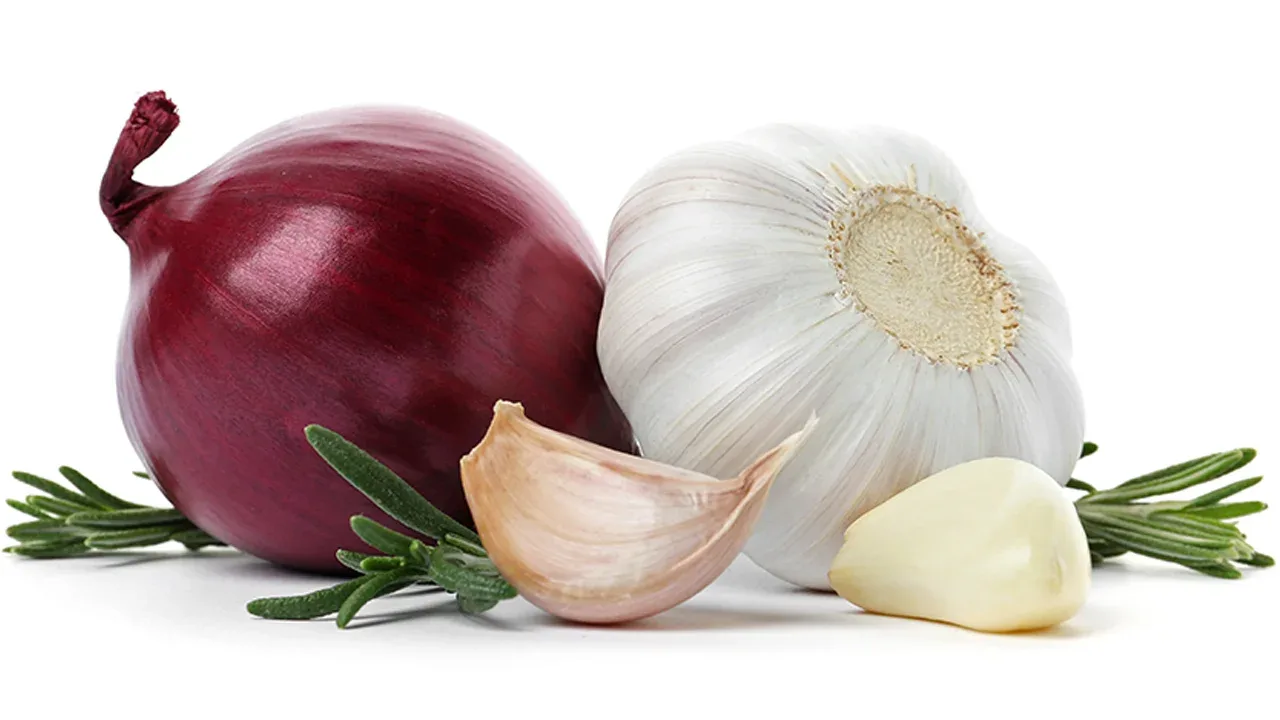
Whole onions can become soft and develop mould more easily in a humid refrigerator environment, while garlic can sprout and develop a rubbery texture when exposed to unsuitable storage conditions.
Both are generally better kept in a cool, dry and well-ventilated place. Peeled or chopped onions and garlic, however, should be transferred to a sealed container and refrigerated.
4. Bread

Refrigeration can speed up the process that makes bread dry and stale, ironically shortening rather than extending its usable life.
Bread intended for consumption within a few days is generally better kept at room temperature in a bread box or sealed bag. For longer storage, freezing is a better option than refrigerating.
5. Bananas
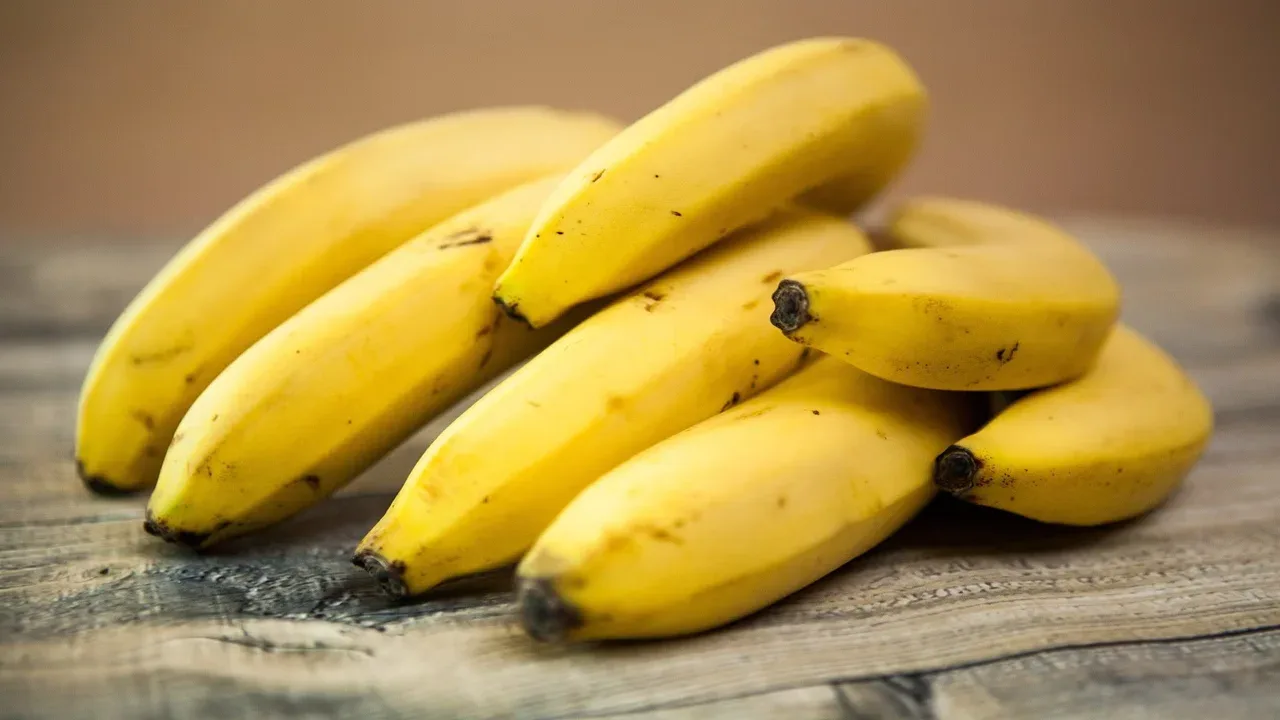
Cold temperatures can cause banana peels to darken and may affect the texture of the fruit itself, even if the inside remains edible.
Unripe and ripe bananas are generally better kept at room temperature. Refrigeration may help once bananas are fully ripe if you want to slow further ripening, though the peel will likely darken.
6. Coffee
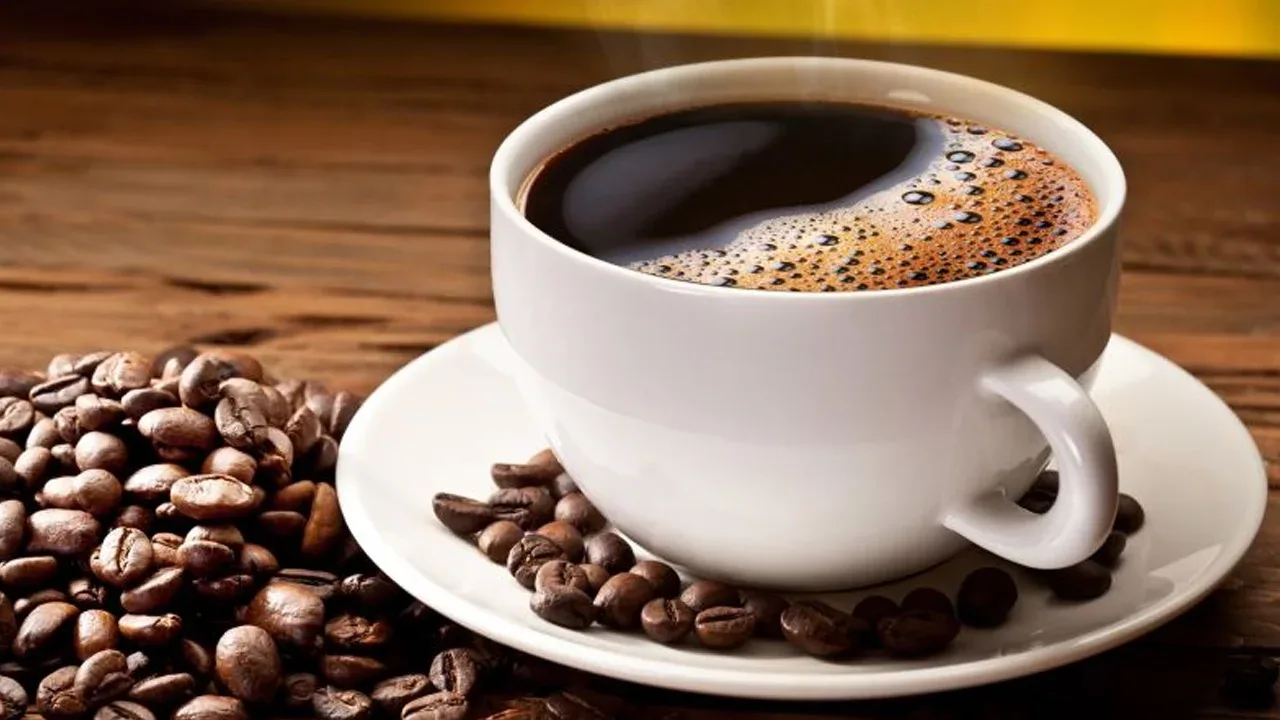
Coffee beans and ground coffee can absorb moisture and odours from other foods when stored in the refrigerator, which can affect their aroma and flavour.
Coffee is generally best stored in an airtight container in a cool, dry place away from heat, light and moisture.
When Refrigeration Is Necessary
Not every food should be kept at room temperature. Once foods such as tomatoes, onions or garlic are cut or peeled, refrigeration becomes important for food safety, and opened sauces and packaged foods should be stored according to their label instructions.