Executive Strategy for Protein Export Dominance
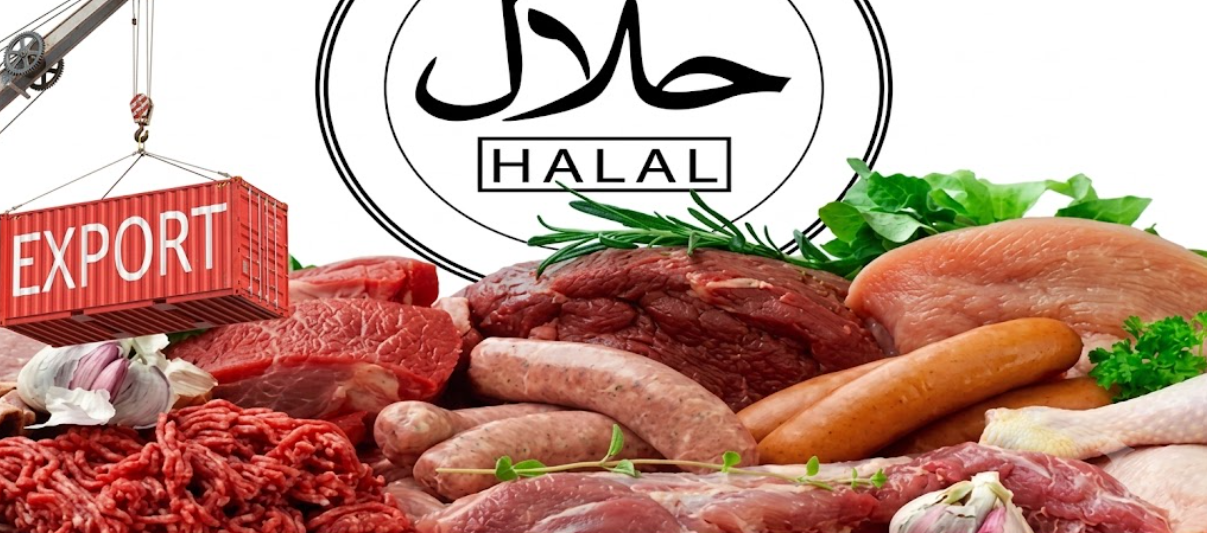
In a decisive maneuver to completely revolutionize the domestic agricultural supply chain, central trade authorities have initiated a highly aggressive export strategy.
Economic experts at a recent high-stakes, multi-sectoral stakeholder dialogue strictly emphasized the massive, untapped potential of the national livestock sector.
This high-level administrative intervention forcefully articulates that dietary-compliant, certified protein exports are absolutely fundamental to stabilizing the macroeconomic environment.
By forcefully prioritizing this structural modernization, the administration aims to aggressively elevate sectoral exports to an uncompromising five to six billion dollars within an extremely compressed timeframe.
Currently, the domestic infrastructure accounts for a deeply fragmented, highly negligible zero point two six percent of the massive, three-point-two trillion-dollar globally certified food trade.
Central planners have explicitly identified this specific industry, which heavily contributes to sixteen percent of world trade, as a massive engine for foreign exchange earnings and employment generation.
This strategic logistical pivot signals a violent, uncompromising departure from decades of systemic infrastructural neglect and outdated agricultural practices.
Structural Overhaul and Quality Certification
At the absolute operational center of this massive executive directive is the unyielding demand for comprehensive, internationally recognized quality certifications.
The state is forcefully transitioning its primary agricultural strategy directly toward heavily fortified, high-capacity, technology-driven processing facilities.
Central regulatory bodies strictly mandate the absolute adherence to rigorous, standardized sanitary protocols and international compliance requirements.
Upgrading the highly specific cold chain logistics and traceability systems is structurally imperative to violently eliminate severe, deeply entrenched operational bottlenecks.
These historical choke points, including outdated farming methods and limited value addition, have relentlessly throttled heavy commercial export movement for unacceptable durations.
The formal executive request for immediate, actionable proposals explicitly demands the integration of modern scientific livestock management and highly balanced animal nutrition.
This targeted structural intervention ensures that the central nervous system of the national protein grid is perfectly synchronized with massive, globally recognized best practices.
Establishing Specialized Processing Zones
The aggressive, state-backed rehabilitation of this major agricultural sector heavily incorporates the establishment of deeply specialized processing corridors.
State directives explicitly urge the central administration to permanently designate highly advanced, specialized meat zones equipped with heavily fortified storage facilities.
To forcefully bypass standard bureaucratic constraints and attract extreme heavy capital investment, economic advisors are actively recommending an uncompromising ten-year tax incentive for these zones.
This massive structural upgrade forcefully aligns foundational logistical capabilities directly with the immense, unforgiving demands of modern international food supply chains.
The successful, heavily accelerated execution of this massive project relies on ensuring completely disease-free conditions and world-class hygiene arrangements in all domestic slaughterhouses.
This uncompromising commitment strictly guarantees that the domestic supply chain can flawlessly withstand the extreme scrutiny of high-stakes, international corporate oversight.
Global Market Penetration and Expansion
The continuous, highly aggressive expansion of this massive agricultural infrastructure is deeply calculated to project logistical dominance across highly lucrative global markets.
Strategic trade experts strictly assert that export initiatives must aggressively target high-velocity economies, including China, Turkey, Malaysia, Indonesia, and crucial Central Asian republics.
This heavily diversified targeting strategy actively aims to violently expand the national footprint far beyond standard, traditional trade corridors.
With total domestic production currently standing at a massive six million metric tons, the state possesses a substantial surplus ready for immediate international deployment.
To maximize this massive physical inventory, authorities are fiercely urged to rapidly expand processing channels to include seafood, ostrich, mutton, and highly optimized poultry farming.
By heavily integrating these high-value product lines directly into international maritime markets, the state guarantees instantaneous, high-fidelity export revenues.
This perfectly interconnected macroeconomic strategy aggressively positions the nation to entirely dominate highly lucrative, specialized dietary supply chains for the fiercely competitive economic future.