Executive Mandate for Logistical Dominance
In a decisive, highly calculated maneuver to fundamentally restructure the national economic trajectory, central maritime authorities have initiated a massive foreign investment drive.
The primary executive for domestic maritime operations actively executed this aggressive strategy during a high-stakes commercial summit hosted in a major East Asian financial center.
This high-level administrative intervention forcefully articulates that a massive, highly efficient maritime network is absolutely fundamental to domestic macroeconomic survival.
By forcefully prioritizing this structural modernization, the central administration aims to fiercely promote unprecedented, high-velocity regional trade volumes.
The ultimate, uncompromising objective is to completely transform the domestic geography into an unparalleled, highly lucrative regional transit and industrial hub.
State planners have explicitly identified the sprawling national maritime grid as the absolute most critical foundation for heavy commercial expansion.
This strategic logistical pivot applies specifically to securing massive capital injections directly from major Chinese industrial and logistics conglomerates.
This high-stakes administrative focus signals a violent, uncompromising departure from historical systemic inefficiencies and infrastructural underutilization.
The state is forcefully transitioning its primary economic strategy directly toward heavily fortified, high-capacity, international maritime partnerships.
Strategic Bilateral Connectivity
At the absolute operational center of this massive executive directive is the unyielding pursuit of a highly integrated bilateral economic partnership.
The central maritime administrator explicitly noted that the long-standing strategic alliance with this major East Asian partner is aggressively entering a massive new operational phase.
This highly advanced phase is strictly centered on ruthless structural connectivity, seamless trade facilitation, and highly accelerated industrial development.
It completely aims to guarantee sustainable, high-velocity economic growth through heavily synchronized international logistics operations.
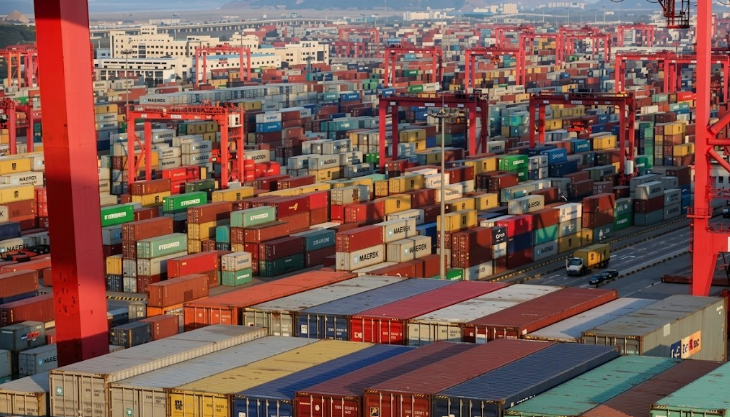
The overarching design features a sprawling, heavily reinforced multimodal transport corridor designed to seamlessly connect vital maritime ports directly to deep inland industrial zones.
State directives explicitly assert that the complete structural integration of these international networks is strictly instrumental to securing permanent regional dominance.
This structural synergy actively neutralizes historical supply chain vulnerabilities, violently distributing high-velocity commercial growth across the entire geographic expanse.
Modernizing the Global Supply Chain
The aggressive, state-backed rehabilitation of this major transit architecture is absolutely not merely a localized domestic infrastructure upgrade.
It represents a highly calculated, deeply aggressive response to the massive, rapid reshaping of the entire global commercial trading system.
Executive leadership forcefully highlighted that international commerce is currently being violently transformed by extreme, uncompromising digitalization and smart logistics integration.
To successfully survive this massive technological shift, the state must aggressively adopt highly resilient supply chains and advanced green shipping protocols.
By aggressively developing a flawless, high-capacity multimodal transport network, the state actively intends to attract massive volumes of highly lucrative cross-border freight.
This uncompromising commitment to heavy technological modernization drastically enhances overall industrial export efficiency on an immense scale.
It serves as a powerful, highly visible signal to massive international trade conglomerates that the national infrastructure is fully prepared for high-velocity, modern commerce.
The successful, heavily accelerated execution of these integrated protocols strictly requires the continuous establishment of exceptionally strong regional partnerships.
Institutional Overhaul and Structural Reforms
To forcefully bypass standard, highly restrictive bureaucratic inertia, the central administration is actively utilizing highly sophisticated structural reforms across all major maritime institutions.
Crucial national assets, including the paramount southern port trusts and central shipping corporations, are actively operating under extreme, uncompromising modernization mandates.
This deeply calculated institutional engineering is absolutely necessary to maintain the relentless operational momentum required to serve highly demanding regional markets.
By heavily restructuring these massive foundational entities, the state is aggressively insulating critical logistical operations from localized administrative paralysis.
These uncompromising structural upgrades forcefully align foundational logistical capabilities directly with the immense, unforgiving demands of foreign industrial capital.
Any localized bureaucratic hesitation or severe structural delays will be completely neutralized by this aggressive, system-wide institutional overhaul.
This strictly ensures that vital port upgrades are continuously executed without highly destructive, costly operational pauses.
Expanding the Flagship Deep-Water Asset
Beyond mere systemic administrative reform, this massive infrastructure initiative heavily prioritizes the aggressive expansion of the nation’s premier southwestern deep-water port.
This specific, highly strategic maritime asset serves as the absolute, undeniable flagship project for the broader international economic corridor.
Central authorities have strictly identified this massive facility as offering unprecedented, highly lucrative direct investment opportunities.
International capital is being forcefully directed toward critical operational sectors, including heavy port mechanics, massive commercial warehousing, and highly advanced free zone development.
By systematically establishing these highly efficient, heavily fortified operational zones, the state is actively seeding massive new maritime industries.
These newly designated manufacturing hubs will aggressively exploit the massive reduction in logistical transport costs to attract extreme, heavy industrial capital.
The flawless implementation of these advanced physical developments firmly elevates the massive deep-water port directly to the absolute highest tiers of global transit capability.
Unyielding Commitment to Transparency and Cooperation
To forcefully ensure the absolute, undeniable success of this massive foreign capital integration, central authorities have issued strict financial directives.
The maritime executive aggressively guaranteed that all incoming international investments will be structurally supported by a ruthlessly transparent commercial environment.
This severe, top-down accountability framework actively ensures that the state rapidly secures long-term, highly leveraged infrastructural partnerships.
The state is fiercely refusing to compromise on foundational investment security under any circumstances or localized fiscal pressures.
This highly calculated financial maneuvering permanently guarantees uninterrupted, high-volume capital flow strictly reserved for massive regional transit hub initiatives.
It absolutely ensures that the domestic commercial environment can flawlessly withstand the extreme scrutiny of high-stakes, international corporate oversight.
Ultimately, this perfectly interconnected macroeconomic strategy aggressively positions the national grid to entirely dominate lucrative global supply chains for the fiercely competitive future.