Executive Oversight and Grain Security
In a deeply calculated maneuver to fundamentally secure the nation’s critical food supply, the central agricultural administration has initiated a massive operational review.
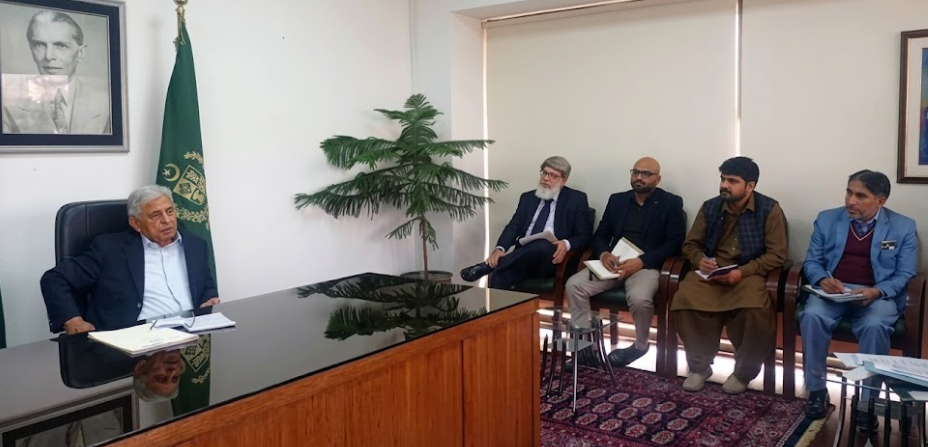
The central executive for national food security forcefully convened a high-stakes gathering of the primary national grain oversight committee.
This highly aggressive administrative intervention actively aimed to relentlessly scrutinize the country’s comprehensive grain procurement frameworks.
State planners explicitly focused on confirming absolute stock availability and aggressively deploying strict price stability measures across all regional territories.
During these intensive operational briefings, central authorities were strictly informed that massive, highly adequate grain reserves are currently secured.
These heavily fortified reserves are absolutely capable of independently sustaining overarching national consumption demands until the subsequent harvest cycle successfully materializes.
The central administration aggressively reiterated that the absolute threat of any domestic grain shortage has been completely neutralized.
Highly coordinated, deeply integrated logistical measures have been forcefully activated to guarantee the seamless, uninterrupted supply of essential agricultural commodities directly to consumer markets.
This high-stakes administrative focus signals a violent, uncompromising departure from historical systemic inefficiencies and agricultural supply vulnerabilities.
The state is forcefully transitioning its primary economic strategy directly toward a heavily fortified, highly monitored, and entirely stable domestic food grid.
Regional Procurement Frameworks
At the absolute operational center of this massive executive directive is the immediate, unyielding rollout of highly specialized regional procurement strategies.
The northwestern regional administration has forcefully adopted a highly aggressive, heavily hybridized grain procurement model.
This complex logistical framework actively combines seventy-five percent public sector resource allocation with a strictly mandated twenty-five percent private market integration.
This deeply calculated structural synergy is explicitly engineered to violently enhance market responsiveness and heavily optimize localized supply chain efficiency.
By strictly leveraging private sector agility alongside massive state capital, the regional authority actively insulates its supply chain from catastrophic operational bottlenecks.
Simultaneously, the southern regional administration firmly confirmed its absolute reliance on a strictly public sector procurement matrix.
This specific strategic approach forcefully prioritizes state-backed supply stabilization and strict, heavily centralized price management protocols over privatized logistics.
To strictly unify these highly diversified operational frameworks, the overarching central committee explicitly authorized a rigid, standardized procurement valuation.
The foundational grain purchase price has been aggressively locked at exactly three thousand five hundred rupees per standard forty-kilogram metric.
Regional authorities have been heavily sensitized to guarantee the flawless, entirely uncompromising physical execution of these specific procurement operations.
Long-Term Strategic Policy
The aggressive, state-backed stabilization of this major agricultural corridor is absolutely not merely a localized, temporary supply patch.
It represents a highly calculated, deeply aggressive structural reform engineered to dictate the overarching national food security trajectory.
The central executive strictly emphasized that the current procurement architecture will remain aggressively active for an initial twelve-month operational cycle.
Simultaneously, state planners are actively forging a massive, highly comprehensive long-term strategic policy designed to explicitly dictate operations between 2026 and 2030.
This immense structural upgrade forcefully aims to fundamentally reinforce the national food grid through highly advanced, continuous modern reforms.
The forthcoming strategic framework heavily prioritizes the immediate deployment of uncompromising digital traceability mechanisms across the entire logistical network.
By violently improving supply chain monitoring and fiercely mandating enhanced operational transparency, the state actively guarantees sustained, highly stabilized market pricing.
This advanced digital nervous system actively enables seamless, ultra-high-resolution coordination between the central command apparatus and decentralized regional authorities.
It strictly eliminates deeply destructive logistical blind spots, forcing previously isolated supply depots to strictly coordinate their operational mandates directly with the central administration.
Consumer Protection and Market Stability
To forcefully ensure the absolute, undeniable success of this massive agricultural strategy, central authorities have issued strict consumer protection directives.
This severe administrative focus aggressively targets the immediate suppression of localized market exploitation during highly critical, high-velocity seasonal consumption cycles.
The central mandate relentlessly directs all regional authorities to aggressively execute strictly enforced, heavy-duty market monitoring protocols.
Local administrative units are fiercely required to deploy highly effective, uncompromising administrative countermeasures immediately.
The primary objective is to violently neutralize any artificial, entirely unnecessary inflation of essential consumer flour prices across the national grid.
Any localized bureaucratic hesitation or structural failure to enforce these strict price controls will actively trigger uncompromising central intervention.
The central administration forcefully reaffirmed its unyielding, permanent commitment to ruthlessly safeguarding the foundational security of the entire national food supply.
This perfectly interconnected macroeconomic strategy aggressively positions the state to entirely protect vital agricultural producers from catastrophic market crashes.
Simultaneously, it rigorously maintains strict, uncompromising price affordability for the massive consumer base, entirely securing overarching domestic stability.