Punjab Completes Pakistan's First-Ever Wildlife Hospital
A Historic Milestone for Wildlife Conservation
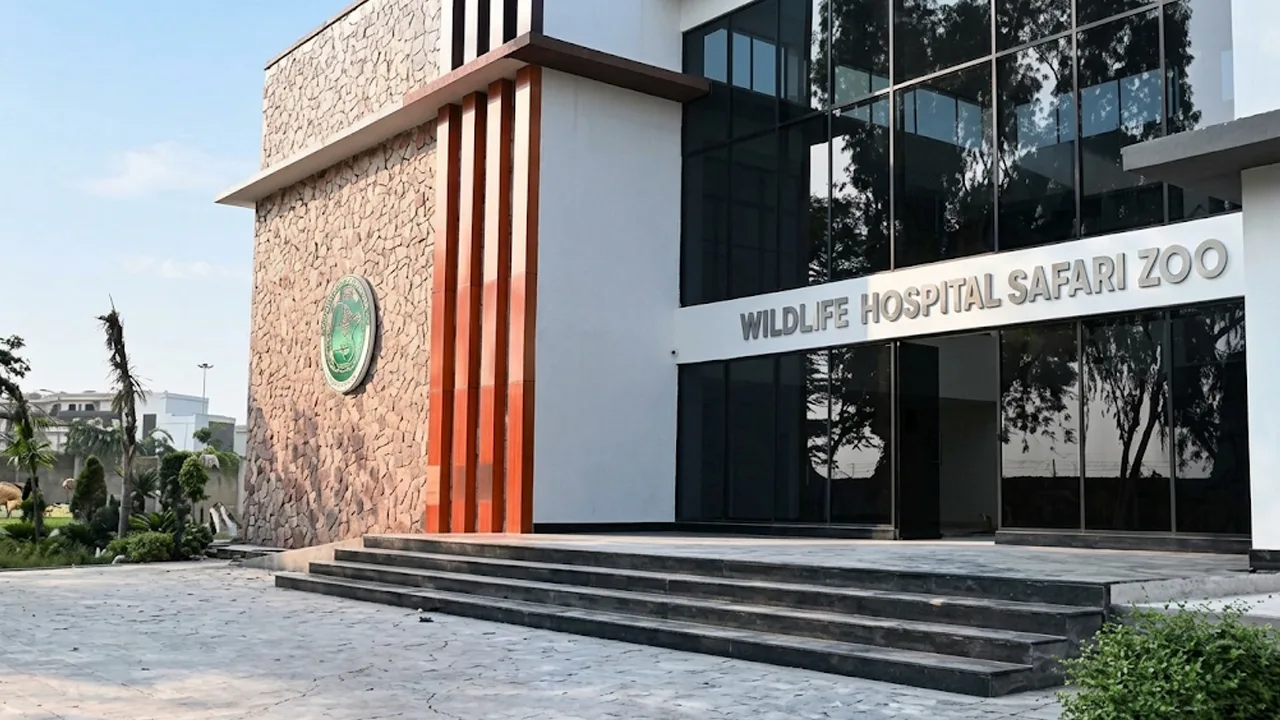
Punjab completes Pakistan's first wildlife hospital with 12 operation theatres, alongside major reforestation, AI-based forest monitoring, and ecotourism initiatives.
Pakistan has made a significant advancement in wildlife conservation with the completion of its first wildlife hospital in Punjab. This facility is designed to treat animals, birds, and other wild species, marking a pivotal development in the country's approach to wildlife health and protection.
Modern Facilities for Wildlife Care
Officials report that the hospital is equipped with advanced medical facilities, including twelve operation theatres and two examination rooms. This infrastructure reflects a commitment to high-quality veterinary care tailored to wild animals, which often require specialised equipment and expertise.
A Milestone Moment for Conservation Efforts
A senior provincial minister, during a visit to the Forest and Wildlife Command and Control Centre, described the hospital's establishment as a milestone in wildlife treatment and conservation efforts in the province. This engagement underscores the provincial government's prioritisation of environmental and conservation initiatives.
Transforming Jallo Park into an Ecotourism Destination
Plans are underway to transform Jallo Park into a modern ecotourism destination through a public-private partnership. Officials are developing a comprehensive master plan and business plan to guide this transformation.
Using Technology to Protect Forests
Innovative technology is being used for forest monitoring and protection. Tools such as artificial intelligence, thermal cameras, live surveillance, and satellite monitoring help in early fire detection, allowing quick responses to potential forest fires.
A Major Achievement in Tree Planting
The province has planted over fifty million saplings in a year, showing a commitment to expanding green cover. An additional ten million plants are being planted as part of a monsoon campaign.
Digital Monitoring of Nurseries
A network of 285 geo-tagged nurseries operates across the province, using digital monitoring to track plant health and progress, ensuring sustainable forest growth.
New Recreational Facilities at Safari Park
New facilities at the Safari Park, including a Giraffe Café and a Tree House Café, aim to enhance its recreational and ecotourism appeal, offering unique dining experiences.
Expanding the Forest Rangers Force
The Forest Rangers Force now includes 215 women among its over five thousand personnel, reflecting a push for greater inclusion in environmental protection roles. Authorities have imposed fines exceeding ten million rupees for illegal timber cutting.
Reviewing Broader Wildlife and Ecotourism Progress
The meeting reviewed ongoing progress in wildlife and ecotourism projects, including developments at Changa Manga and the Safari Park. This review ensures coordinated progress across multiple conservation initiatives.
Why These Developments Matter
These initiatives reflect a comprehensive approach to wildlife conservation, forest protection, and ecotourism development. They promise long-term benefits for wildlife, ecosystems, and local communities through job creation and improved environmental conditions.
Looking Ahead
As projects like the wildlife hospital and reforestation campaigns progress, further developments are expected. With strong government support, these initiatives are poised to make a lasting positive impact on wildlife protection and environmental sustainability in the province.
Related stories
 Environment
Karachi’s Warm Spell May Last 8-9 Days, Says Met Office
 Environment
Rain Brings Pleasant Weather and Cleaner Air to Lahore
 Environment
PMD Forecasts Rain and Thunderstorm in Upper Parts
 Environment
4.6-Magnitude Earthquake Felt in Swat and Surrounding Areas; Epicentre in Hindu Kush at 184 km Depth
EnvironmentRain and Light Snow Bring Cooler Weather to KP, AJK and Gilgit-Baltistan; PMD Expects Intermittent Rain Until October 15
 Environment