The Private Sector's Growing Role in Driving Economic Progress
A Strong Message to the Business Community
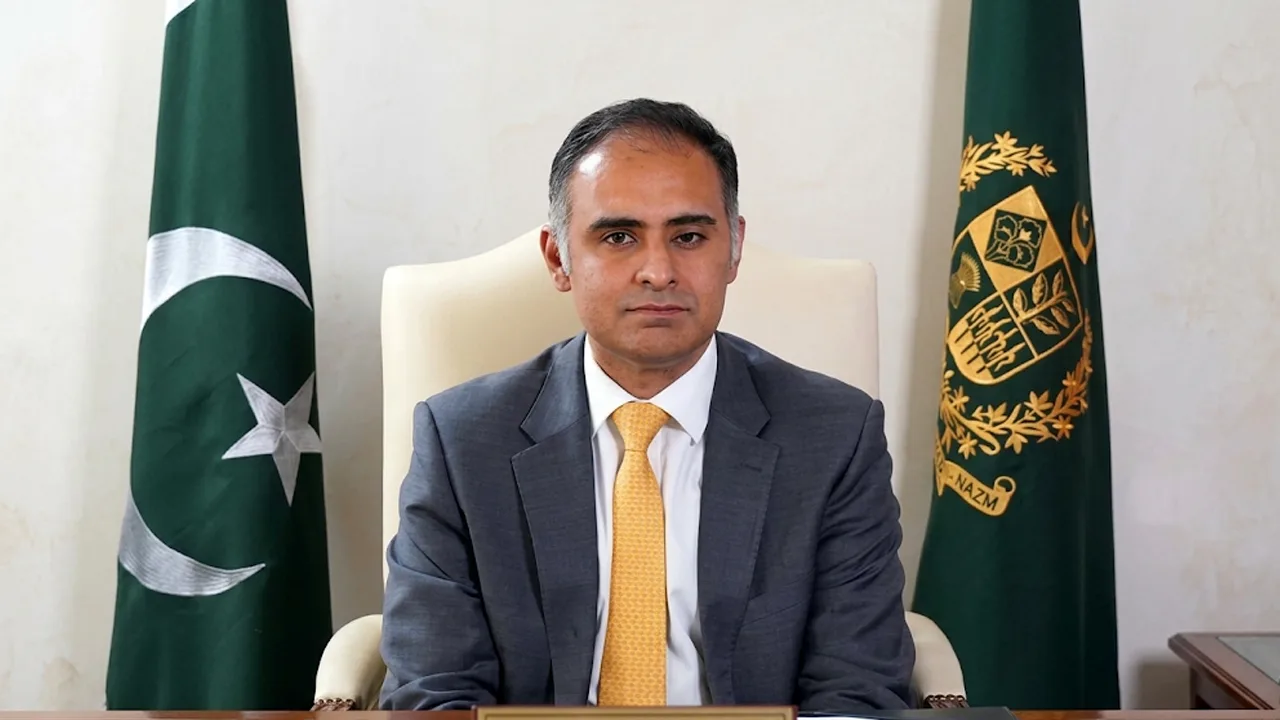
A senior government official highlights the private sector's role in tax collection, job creation, and economic growth, while announcing key relief measures for exporters.
In a recent address, a senior government official highlighted the vital role of private businesses in the economy. The Minister of State for Finance shared these views at a chamber of commerce and industry event in Lahore. He discussed how private businesses contribute significantly to the economy and how the government supports this sector through policy changes.
Engagement between government officials and business leaders is crucial for a healthy economic environment. When policymakers listen to business owners, it often results in more practical and effective economic policies.
Private Sector as a Pillar of the Economy
The minister explained that the private sector is central to tax collection, job creation, and economic growth. These factors are interconnected and form the backbone of a functioning economy.
Tax collection is a major revenue source for the government, with private businesses as significant contributors. Successful businesses generate more income, leading to higher tax contributions for public services and development projects.
Job creation is another critical area. Unlike government institutions with limited positions, private companies can expand their workforce as they grow, reducing unemployment and improving household incomes.
Economic growth relies heavily on business performance. When companies invest in new projects or enter new markets, it strengthens the national economy.
Government Engagement with Business Leaders
The minister emphasised the close engagement between the country's leadership and the business community. This dialogue helps both sides understand each other's priorities and challenges.
According to the minister, business leaders' suggestions have been included in the federal budget. This shows that policy decisions are partly shaped by input from those running businesses and creating jobs.
Including business feedback in budget planning ensures that economic policies are practical and suited to real-world conditions. It also builds a stronger partnership between the public and private sectors, essential for sustainable economic development.
Key Policy Changes to Support Exporters
The minister discussed specific measures to support exporters, crucial for generating foreign exchange earnings. Two major changes were highlighted:
The removal of a special tax, known as the Super Tax, on exporters. This aims to ease financial pressure and encourage expansion in international markets.
The abolition of a surcharge for export development. Removing this surcharge makes exporting more financially attractive and less burdensome.
Handing Over Leadership to the Private Sector
A notable change is in the management of the Export Development Fund. Its chairmanship is now held by a private sector representative. This reflects a trend of involving private sector expertise in decision-making roles affecting trade and exports.
When individuals with business experience lead such organisations, decisions align more closely with exporters' practical needs.
Why These Measures Matter
These measures signal a clear economic policy direction: reducing financial burdens on businesses, especially exporters, and giving the private sector a greater voice in decision-making. For business owners, removing extra taxes and surcharges means lower costs and better growth opportunities.
For the economy, a stronger private sector can lead to more jobs, increased investment, and higher export earnings, contributing to economic stability and progress.
Looking Ahead
As government officials continue engaging with the business community, more policy adjustments may follow. The recent changes suggest efforts to create a business-friendly environment, where private companies are seen as active partners in national economic development.
With ongoing dialogue between policymakers and business leaders, future economic policies may reflect the practical realities faced by businesses, supporting long-term growth and prosperity.
Related stories
 Economy
Aurangzeb, Fitch Discuss Pakistan’s Credit Outlook
 Economy
DPM Orders Strict Monitoring of Supply Chains and Prices
 Economy
IMF Raises Asia Growth Forecast, Flags Risks Ahead
 Economy
PM Directs Banks to Improve Housing, SME, Farm Lending
 Economy
PM Shehbaz Calls for Modern Automated Baggage Checks at Airports, Praises New Customs Enforcement System
 Economy