IMF Raises Asia Growth Forecast, Flags Risks Ahead
The IMF now expects Asia’s economy to grow 4.8% in 2026, above its April projection, but says risks remain tilted to the downside.
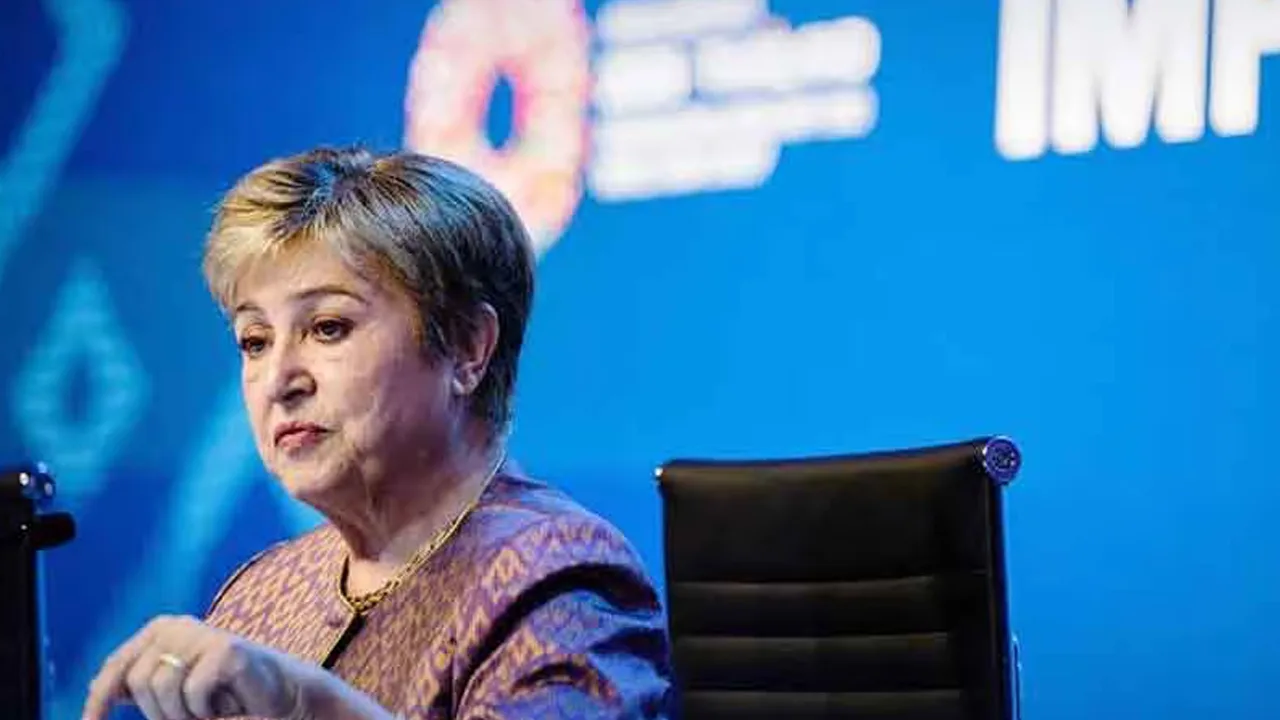
IMF now expects Asia to grow 4.8% in 2026 and 4.4% in 2027, above April forecasts, while warning of energy, AI and bond-yield risks.
The International Monetary Fund on Thursday, October 15, raised its growth projections for Asia, expecting the region’s economy to grow 4.8% in 2026 and 4.4% in 2027. Both figures are higher than its April projections, though growth is still moderating from 5.0% in 2025. The IMF said the revisions largely reflect a boost from the AI boom for advanced Asian economies, whose growth is expected to accelerate to 3.2% in 2026 from 2.5% last year. The outlook was issued during the IMF’s annual meetings in Bangkok.
Emerging Asia Remains the Growth Engine
Emerging Asia remains the region’s main growth engine, with growth expected at 5.1% in 2026, down from 5.6% last year because of higher energy prices. The IMF noted that foreign investment inflows to the region remain generally robust.
Risks the IMF Highlights
The energy shock linked to the Iran war, which has made exchange rates and capital flows more volatile.
A possible correction in AI demand, which could affect Asia in particular because of its exposure to the AI production chain.
Rising global bond yields, which could spill over into Asian bond markets and raise debt-servicing costs.
Uncertainty about the US monetary policy path, which could keep financial markets volatile.
Policy Advice
Krishna Srinivasan, director of the IMF’s Asia and Pacific Department, said long-term inflation expectations remain broadly anchored in Asia. He said central banks should keep a focus on price stability and maintain their independence, and that fiscal policy should be targeted and temporary, avoiding blanket fuel subsidies or price controls.
Related stories
 Economy
PM Directs Banks to Improve Housing, SME, Farm Lending
 Economy
PM Shehbaz Calls for Modern Automated Baggage Checks at Airports, Praises New Customs Enforcement System
 Economy
IMF Recognizes Pakistan’s Stronger Economic Stability After Staff-Level Agreement: Khurram Schehzad
 Economy
FBR Clarifies New Tax Rules for Social Media Creators: Rs195 Per 1,000 Views Is a Benchmark, Not a Final Verdict
EconomyPM Shehbaz Directs Corporate-Style Reforms in Pakistan Railways, Approves Bank Financing for ML-1
 Economy