Pakistan's Removal from War Risk List Expected to Cut Shipping Costs
Central maritime administrators and strategic trade negotiators have successfully executed the complete removal of the national coastal baseline from a highly restrictive international war-risk maritime list. By systematically deploying factual data and technical evidence to top-tier global marine…
Diplomatic Logistics and Structural NegotiationsIn a deeply significant maneuver to permanently resolve external logistical friction, the federal executive constituted a highly specialized administrative committee to actively engage with primary global underwriting bodies.Spearheaded by top-tier maritime operators, this central delegation initiated relentless, data-driven negotiations with the Lloyd’s Market Association (LMA) and the Joint War Committee (JWC) in London. By systematically presenting hard technical evidence, the localized negotiators successfully dismantled the outdated perception of elevated risk, forcefully compelling the international syndicates to formally remove the national port matrix from their restricted Listed Areas. This flawless diplomatic execution strictly validates the overarching security and operational stability of the domestic maritime infrastructure on a global scale.Macroeconomic Optimization and Freight Cost ReductionAt the absolute operational center of this international delisting is a massive, immediate reduction in localized shipping and transit costs.For decades, the structural inclusion within these high-risk zones mandated that domestic and international shipping units pay heavy supplementary war-risk insurance premiums, completely debilitating overarching trade margins. By aggressively neutralizing these mandatory surcharges, the central administration forcefully removes a severe financial burden from the localized import and export sectors. Strategic economic planners rigorously assert that systematically lowering these baseline transit costs will permanently enhance the global competitiveness of domestic manufacturing outputs, directly insulating the overarching macroeconomic baseline from artificial pricing disadvantages.Regional Connectivity and Global TransshipmentThe highly successful finalization of this structural insurance overhaul carries deeply permanent implications for overarching regional integration and logistical dominance.By actively stripping away the punitive financial barriers previously associated with domestic port calls, the federal apparatus forcefully clears the trajectory to transform the coastal baseline into a major regional transit and transshipment hub.Executive administrators emphasize that strictly maintaining this optimized, low-friction operational environment is absolutely fundamental to deeply integrating the national maritime grid with broader international shipping lanes. This unyielding strategic pivot ensures that the localized transit architecture can systematically capitalize on high-density global commerce without the constraints of legacy risk classifications.
Related stories
 Economy
KP Governor Highlights Province's Untapped Mineral Wealth for National Growth
· 4 min read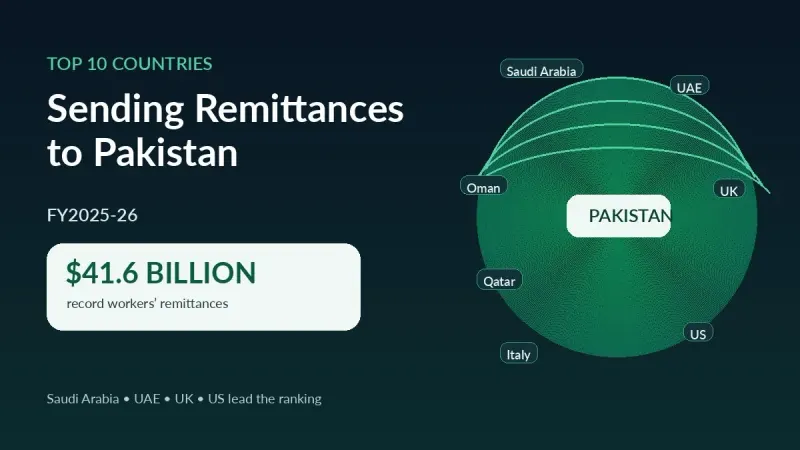 Economy
Top 10 Countries Sending Remittances to Pakistan in 2026
· 7 min read Economy
The Private Sector's Growing Role in Driving Economic Progress
· 3 min read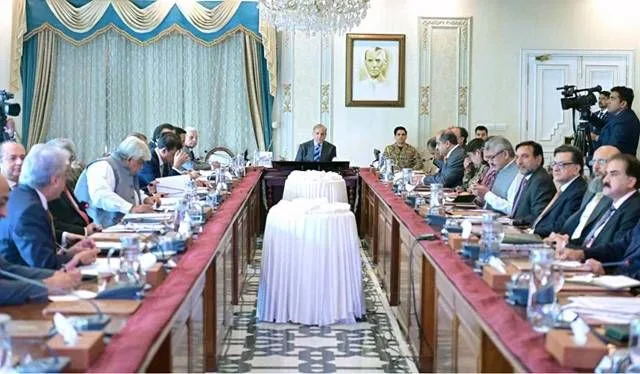 Economy