Bilawal Reacts to Malaysian PM's Remarks on Pakistan Terrorism Claim
A Question That Didn't Get the Answer India Expected
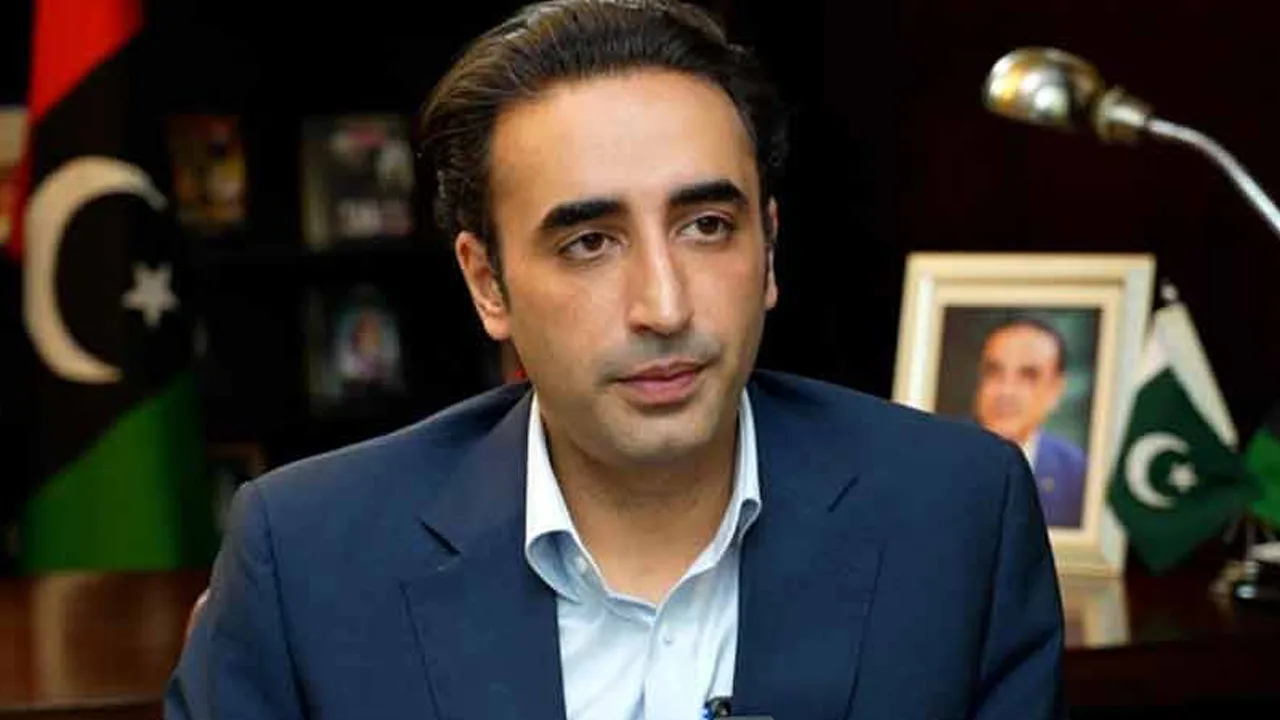
Bilawal Bhutto-Zardari says India stands "exposed" after Malaysian PM Anwar Ibrahim declined to link Pakistan to terrorism during an Indian TV interview.
Sometimes what someone refuses to say speaks louder than what they do say. During an interview with Indian channel NDTV on the sidelines of the BRICS summit in New Delhi, Malaysian Prime Minister Anwar Ibrahim was asked directly whether Pakistan should be labeled responsible for terrorism over the Pahalgam attack. His answer wasn't the confirmation the interview seemed to be fishing for.
The Comparison That Set Up the Question
Here's how the exchange unfolded: Ibrahim was first asked whether Israel's actions against Hamas amounted to terrorism, and he agreed. But when the same framing was applied to Pakistan, he declined to make that determination — explaining the matter would first need to be established, and adding that none of his own intelligence agencies had informed him that Pakistan was involved in state-sponsored terrorism.
Bilawal's Reaction Came Fast
PPP Chairman Bilawal Bhutto-Zardari posted on X almost immediately, framing the moment as Ibrahim "exposing Indian propaganda, in India, on Indian TV." He didn't stop there — declaring that "India started a war based on a lie and lost miserably," a reference to the May 2025 military conflict between the two countries.
A Call to Honour the Ceasefire
Beyond the reaction itself, Bilawal used the moment to press a broader point: that India now stands "exposed internationally" and must live up to the commitments it made when the ceasefire was agreed. He specifically called for discussions on all outstanding issues between Pakistan and India, framing dialogue as the path toward regional peace, prosperity, and stability.
The Backstory Behind the Tension
This all traces back to the April 2025 Pahalgam attack, which India linked to Pakistan — an allegation Islamabad firmly rejected while calling for a neutral, independent investigation. What followed was several days of military exchanges between the two nuclear-armed neighbours in May 2025, before both sides agreed to a ceasefire on May 10.
Why a Third Country's Comment Carries Weight
Statements like Ibrahim's matter precisely because they come from outside the India-Pakistan rivalry itself. When a foreign leader, speaking on a platform belonging to the country making the accusation, declines to confirm that accusation without evidence, it becomes a rare, unscripted moment that neither side can easily spin away.
The Bottom Line
One question, one careful non-answer, and Pakistan's political leadership seized on it instantly. Whether this single moment from a BRICS summit interview actually shifts the broader international narrative around the Pahalgam attack remains to be seen — but for now, it's given Islamabad a talking point it clearly intends to use.
Related stories
 Politics
Federal Constitutional Court to Hear Challenge to Sohail Afridi's Election as CM
· 3 min read Politics
PM Shehbaz Responds to Opposition Leader on ECP Appointments Process
· 3 min read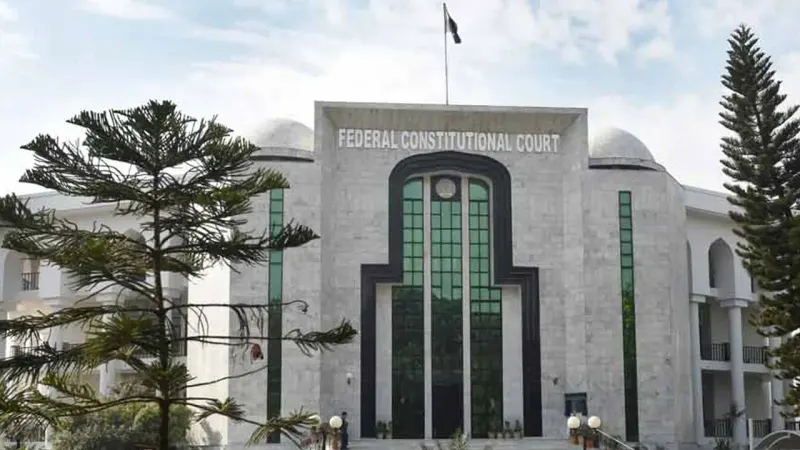 Politics
Federal Constitutional Court to Hear Appeal on Prisoner Medical Facilities Case
· 2 min read Politics
PM Shehbaz Consults Business Leaders on Export Growth
 Politics
Political Row Erupts Over Provincial Security Remarks by Punjab's Chief Minister
· 2 min read Politics