Bangladesh Is Being Courted by Saudi Arabia — Here's the Leverage It Might Be Wasting
A Country Learning a Hard Lesson About Dependence
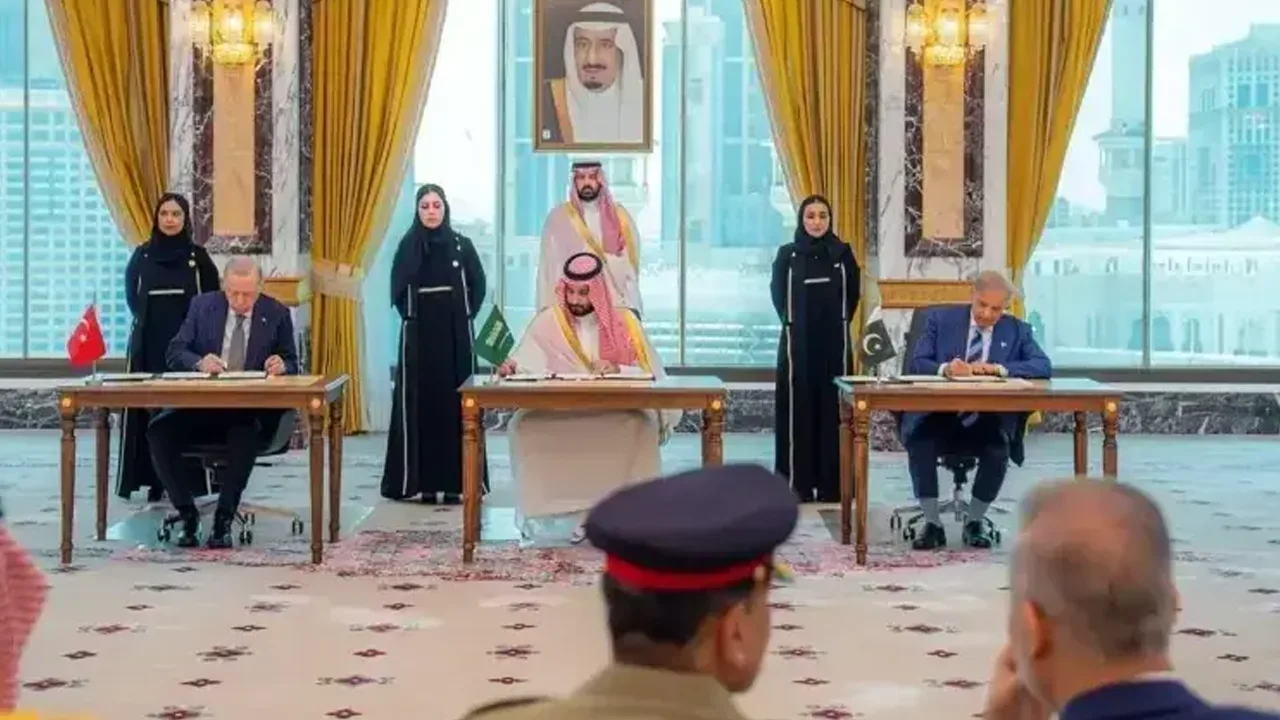
As Bangladesh weighs joining the Makkah Pact, this analysis outlines the migrant worker protections, skills investment, and energy security it should demand first.
Bangladesh is discovering just how exposed it is to a Middle East war it has no part in fighting. Back in June, QatarEnergy warned it might ship only 20 of the 40 LNG cargoes Bangladesh expected this year, forcing officials into emergency tenders at higher prices. That single warning exposed something bigger: just how tightly Bangladesh's economy is tied to the Gulf.
The Numbers That Explain Everything
Here's why this matters so much: three-quarters of Bangladeshis who went abroad for work between FY2015 and FY2025 went to the Middle East, and nearly half of the country's total remittances come from just six Gulf states. Against this backdrop, Dhaka is now weighing whether to join the Makkah Joint Defence Agreement — the pact Saudi Arabia, Türkiye, and Pakistan signed on August 7.
A Green Light Already Given
Bangladesh's Foreign Minister has already told parliament the government would consider an invitation positively. But the more interesting question isn't whether Bangladesh should join — it's what Bangladesh should demand before it does.
The Golden Rule of Negotiation Nobody Should Forget
Here's the core argument: nothing should be given away for free. Bangladesh has real leverage right now — the kind that evaporates the moment ink hits paper. Once signed, every future request becomes a favour rather than a condition.
Why Saudi Arabia Would Even Listen
The Kingdom is actively building a coalition, and coalitions need members. Bangladesh has already joined a 14-country Saudi-led maritime alliance covering the Red Sea and Gulf of Aden, and its defence adviser has been discussing expanded military training with Saudi officials. Prime Minister Tarique Rahman is reportedly expected in Riyadh at the crown prince's own invitation. A country being courted holds power — but only before it says yes.
Ask #1: Save the Migrant Workforce
This is where the numbers turn sobering. Only 969,000 Bangladeshis left for overseas jobs in FY2025-26 — the lowest figure in five years. Saudi Arabia remains the only actively hiring Middle East market, but even that is shifting: the Kingdom's sovereign wealth fund has slashed some project budgets by up to 60%, and construction worker registration growth crashed from 32% in 2025 to just 6% in early 2026.
The Skills Test Quietly Reshaping an Entire Workforce
Saudi Arabia now requires low-skilled foreign workers to pass a skill verification test called Takamul. When this kicked in last October, departures from Bangladesh dropped 18.46% almost overnight. Bangladesh now tests roughly 60,000 workers monthly across 28 centres — real progress, but workers themselves pay about $50 per test while the state absorbs training costs. The ask here is simple: if Saudi Arabia wants skilled labour, it should help share that testing burden.
The Bigger Opportunity Hiding in Plain Sight
Beyond construction, the Gulf is racing to build data centres and cloud infrastructure — meaning demand for network engineers and IT technicians is rising fast. A joint digital skills initiative could finally push Bangladeshi workers beyond manual labour into higher-paying, higher-skilled roles.
Ask #2: Energy Security That Actually Protects the Country
Bangladesh has already secured $3.3 billion in emergency financing just to pay for fuel, gas, and fertiliser this year. While Saudi Arabia doesn't sell gas to Bangladesh, Saudi Aramco does supply crude oil, and the Kingdom is the largest shareholder in the Islamic Development Bank Group. A deferred-payment facility for oil imports could do more for Bangladesh's energy security than any diplomatic photo-op.
The UAE Problem Bangladesh Can't Ignore
Here's a complication: visa processing for most Bangladeshi applicants in the UAE has been effectively frozen since 2024, and UAE remittances fell more than 10% in 2025 to $4.16 billion. The Makkah Pact has also drawn criticism from prominent UAE commentators — meaning Bangladesh's move toward Riyadh risks straining a relationship it can't afford to lose.
A Diplomatic Line That Isn't a Strategy
Bangladesh's Foreign Ministry has described the pact as simply "an internal Muslim matter" carrying no foreign policy risk. That may sound reassuring in a press briefing — but it isn't a substitute for actually protecting the country's interests across multiple Gulf relationships simultaneously.
The Bottom Line
Decades of Bangladeshi labour built Gulf cities in punishing heat for modest wages, sending home the remittances that carried the country through one economic shock after another. If Bangladesh is now ready to offer political alignment as well, the real test isn't whether Riyadh wants it — it's whether Dhaka negotiates hard enough to make that alignment actually pay off.
Related stories
 Middle East
"Blatant Violation": Pakistan Just Sent a Sharp Message Over Attacks on Saudi Arabia
· 2 min read Middle East
Saudi Arabia Considers Major Solo Military Operation Against Houthi Forces
· 4 min read Trade
TradeQatari LNG Shipment Reaches Karachi Port Despite Regional Tensions
· 4 min read Middle East
Pakistan's Weekly Diplomatic Briefing: Solidarity with Saudi Arabia and Regional Engagement
· 5 min read Middle East
Houthi Forces Launch Fresh Attacks on Saudi Arabia as Regional Tensions Escalate
· 4 min read Middle East