The Push to Give Islamabad Provincial Status Gains Political Support
A Long-Standing Demand Moves Forward
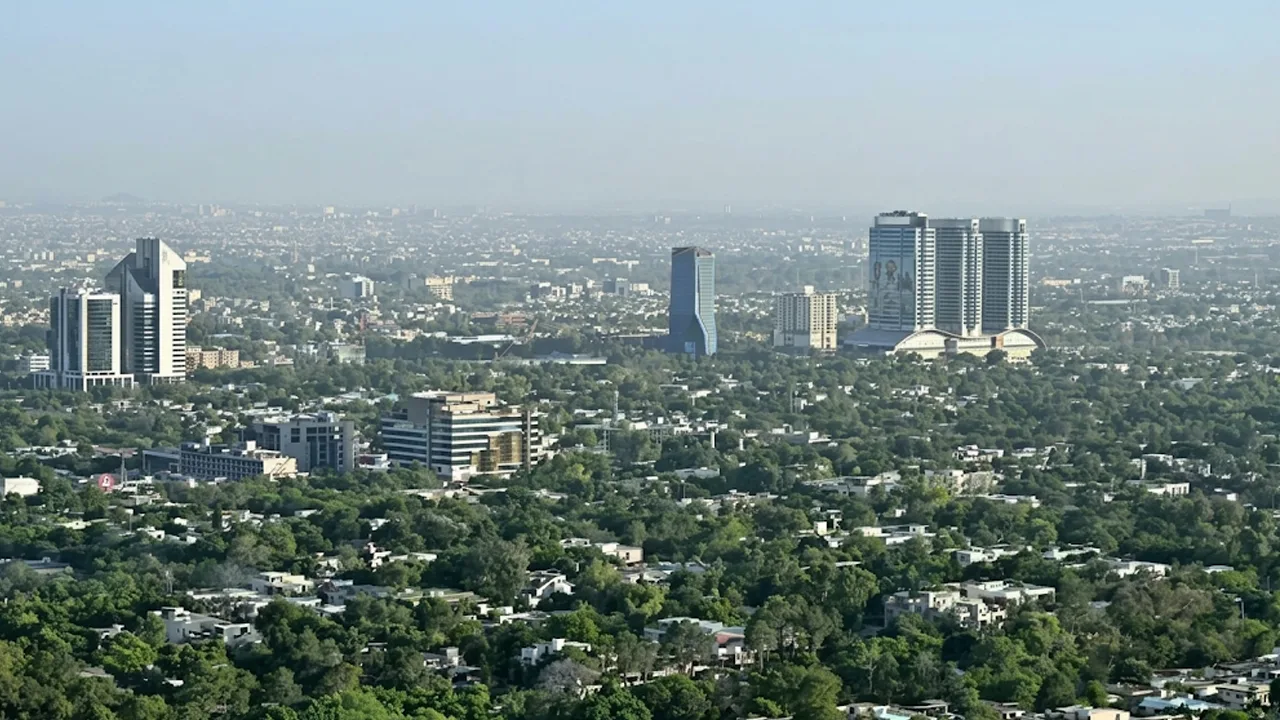
Pakistan's ruling party backs a proposal to grant Islamabad provincial status, aiming to address long-standing funding and governance concerns for the capital's residents.
Pakistan's ruling party supports a proposal to grant Islamabad provincial status. This move aims to address funding and governance concerns for the capital's residents.
A major political party has backed a proposal to give Islamabad provincial status. This support comes from the Islamabad chapter of the ruling party, adding weight to a long-standing demand from the capital's residents.
A senior party representative from Islamabad stated that this proposal is welcomed as a long-overdue response to residents' concerns.
Understanding the Core Issue
The proposal addresses financial and administrative concerns. Despite paying taxes, Islamabad residents do not receive a direct share in the National Finance Commission (NFC) Award. This mechanism distributes financial resources among provinces. Supporters argue this is unfair, as residents contribute significantly to national revenue without proportional financial benefits.
A local elected representative noted that a government department collects substantial annual revenue from Islamabad, which goes to the federal government. Residents also pay income tax, property fees, and other charges, yet see limited direct development funding.
Why Provincial Status Is Being Proposed
Supporters argue that without provincial status, addressing Islamabad's residents' concerns is difficult. Urban development relies on revenue from land sales, while rural areas depend on special federal funding, which is not always reliable.
Proponents believe a dedicated share in the NFC Award, with provincial status, is the best solution for consistent funding for urban and rural development.
Details of the Proposed Framework
A government-appointed committee has worked on this proposal and shared recommendations with top leadership. The plan suggests transferring certain federal powers to Islamabad, allowing it to function more like a federating unit.
Under the proposed framework, Islamabad would have its own assembly with 27 members. This includes directly elected members, reserved seats for women, and a seat for a religious minority representative.
The assembly would elect its chief executive, possibly called a chief minister or mayor, replacing the current chief commissioner. A chief secretary would handle some administrative duties.
Most government departments would fall under this new assembly, except for law and order and city master planning, which remain federally controlled. This aims to balance local governance with federal oversight.
Potential Impact on Local Elections
The proposal raises questions about its impact on local government elections in Islamabad. Experts note that provincial status would require changes to local government laws and administrative regulations.
These changes would necessitate a new delimitation process, potentially delaying local elections. The Election Commission's current schedule involves finalising new constituency boundaries, but this may need revisiting if the proposal advances.
A Long History of Delayed Elections
Islamabad's local government elections have faced delays, with the previous term ending years ago. Elections have been postponed multiple times for administrative reasons.
Residents face civic issues like infrastructure gaps and service delivery challenges without an empowered local government. Different administrations have faced criticism for these delays, highlighting challenges in establishing stable local governance.
A Complex Political and Administrative Question
The proposal involves governance, financial distribution, and administrative structure. Supporters see it as a solution to funding and representation issues, but it requires careful legal groundwork and political consensus.
This proposal will likely remain a significant topic among policymakers, legal experts, and residents, as benefits are weighed against implementation challenges.
Looking Ahead
As discussions continue, focus will be on balancing Islamabad's administrative and financial autonomy with holding local elections. Whether the proposal progresses smoothly or faces delays will become clearer as more details emerge from committee discussions and legislative processes.
For Islamabad's residents, this represents a potential shift in governance and funding, addressing concerns about representation and resource allocation within the federal structure.
Related stories
 Politics
PM Condoles Rashid Bashir Virk on Father’s Demise
 Elections
ECP Moves Ahead on Local Government Elections
 Politics
Naqvi: Every Effort Made to Avoid Emergency in KP
 Politics
Naqvi Briefs Bilawal on KP Security Situation
 Politics
PM Shehbaz Invites Opposition Leader Achakzai for Meeting
 Politics