Pakistan Draws a Red Line With Iran Over Houthi Strikes on Saudi Arabia
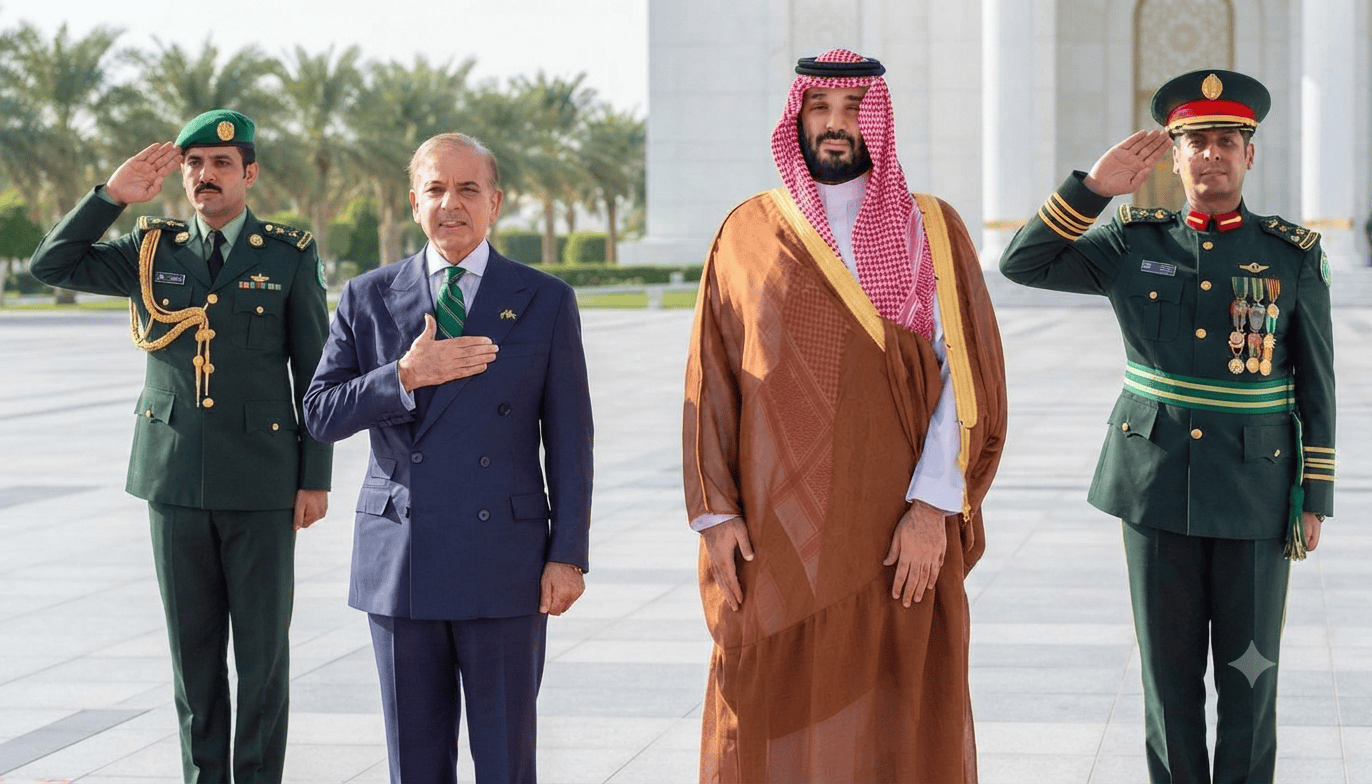
Pakistan has delivered a blunt message to Iran this week: any Houthi attack on Saudi Arabia will be treated as an attack on Pakistan itself. That’s according to a Pakistani official who spoke to Reuters, as missile strikes on the Kingdom earlier this week pushed Islamabad’s anxiety over the widening regional conflict to a new level.
The official told Reuters that Pakistan’s top civilian and military leadership had personally conveyed this position to Iran at the highest level, describing the Houthi strikes on Saudi territory as something Islamabad simply won’t tolerate being repeated. It’s being described internally as a genuine red line, not just diplomatic posturing.
Why This Matters for Pakistan
To understand why Pakistan is taking such a firm stance, you have to go back to last year, when nuclear-armed Pakistan signed a mutual defence agreement with Saudi Arabia. That pact commits both countries to treat an attack on either nation as an attack on both, essentially binding their security fates together. So when missiles started flying toward Saudi Arabia, it wasn’t just a regional flashpoint for Islamabad to watch from a distance. It became something that could pull Pakistan directly into the conflict.
The trigger for this particular escalation was the Houthis firing missiles into Saudi Arabia after accusing the Kingdom of bombing an airport under Houthi control earlier in the week. That strike broke a four-year truce that had largely held the border quiet, though for now the fallout has been limited to this single exchange rather than spiraling into open warfare.
Adding another layer of complexity, Pakistani soldiers are currently deployed near the Saudi border with Yemen, according to two officials, which means Pakistan doesn’t just have a political stake in this; it has actual personnel in the vicinity of any future escalation. That proximity has understandably raised concern in Islamabad about being drawn deeper into the conflict than it would like.
A Balancing Act Between Mediation and Loyalty
What makes Pakistan’s position particularly delicate right now is the role it has been playing as a peace broker. Islamabad helped negotiate an interim deal last month aimed at de-escalating the broader war between the United States and Iran, and its leadership has invested heavily in keeping that mediation effort alive. One official acknowledged there’s real frustration building over the Houthi strikes but insisted that Pakistan isn’t walking away from its mediating role, noting the country has too much invested in the process to abandon it now.
Still, analysts following the situation say Pakistan is coming closer than it has in a long time to having to actually pick a side. One source close to the mediation effort summed it up simply, saying it’s in everyone’s interest for the war to end, but that if Saudi Arabia calls on Pakistan for support, Islamabad will stand by its ally without hesitation.
A security analyst quoted in the report noted that Pakistan wasn’t expecting tensions to escalate as quickly as they did this week, suggesting the pace of events caught even seasoned observers somewhat off guard. Another analyst added that while Pakistan’s leadership is currently focused on keeping every stakeholder in the region satisfied, that balancing act could become much harder to sustain if the Houthis widen the geographic scope of their attacks on Saudi Arabia.
Bigger Strategic Stakes
Pakistan’s defence pact with Saudi Arabia, when it was first announced last September, was widely read as a signal that Gulf Arab states were losing some confidence in the United States as a dependable security guarantor, and were beginning to look toward Pakistan and other regional players as potential alternatives. That backdrop adds extra weight to how Pakistan responds now, since any hesitation could call into question just how solid that new alliance really is.
At the same time, Pakistan’s own economic vulnerabilities make this a particularly sensitive moment. The country depends heavily on Middle Eastern oil and gas, and the tensions swirling around the Strait of Hormuz have already disrupted its supply routes earlier in this conflict. That disruption was serious enough that the government had to roll out emergency measures, including ordering businesses to close early, just to head off a potential fuel shortage at home.
There’s also a growing worry in Islamabad that if the Houthis keep escalating, it could disrupt shipping through the Red Sea, a corridor that Pakistan and a long list of other countries rely on for trade. Any serious disruption there would ripple far beyond the immediate conflict zone.
According to officials and analysts familiar with the mediation effort, Pakistan’s push to keep the US-Iran diplomatic track alive has been driven as much by a need to protect its own energy supply lines as by any broader ambition for diplomatic influence. In other words, this isn’t purely about goodwill or global standing; it’s tied directly to Pakistan’s own economic security.
What Comes Next
For now, Pakistan finds itself walking a genuinely difficult line: trying to keep its mediating role between Washington and Tehran intact, while also making unmistakably clear to Iran that attacks on Saudi Arabia won’t be treated as someone else’s problem. How long that balancing act can hold likely depends on what happens next with the Houthis. If the strikes stay contained to this one incident, Pakistan may be able to keep threading the needle. But if the attacks spread or intensify, Islamabad could find itself forced to make the kind of choice it has been trying hard to avoid.

At least 24 India-backed terrorists gunned down in Bannu operations: ISPR
ISLAMABAD: In a major move aimed at ensuring political stability and institutional transparency, the Election Commission of Pakistan (ECP) has...