Strategic Alignment and Eurasian Diplomatic Engagement
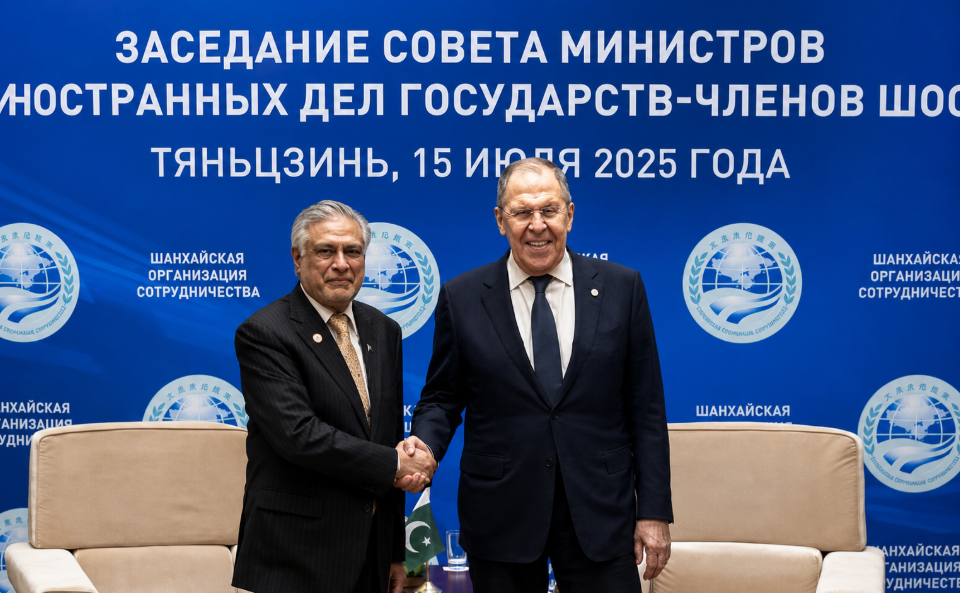
In a decisive maneuver to reinforce regional geopolitical architecture, central diplomatic authorities have executed high-stakes bilateral discussions.
The high-level meeting focused directly on constructing a resilient, multi-sectoral strategy to accelerate bilateral cooperation across strategic infrastructure and trade corridors.
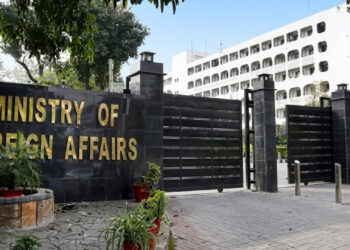
Pakistan’s foreign policy leadership and Russia’s top diplomatic authority evaluated critical regional security vectors and shared economic interests.
This administrative intervention forcefully underlines both nations’ intent to synchronize strategic priorities within prominent multilateral platforms, including the Shanghai Cooperation Organisation.
Central planners explicitly emphasized that expanding direct commercial channels remains a non-negotiable imperative for long-term economic resilience.
The primary objective centers on transforming historical diplomatic alignment into high-capacity operational trade networks.
This proactive engagement signals an uncompromising commitment to expanding regional integration despite complex, fluctuating global dynamics.
Structural Frameworks for Trade and Energy Logistics
At the absolute operational center of the bilateral exchange was the unyielding demand for accelerated progress in energy transit and logistics.
Both delegations rigorously examined operational parameters surrounding cross-border industrial ventures, supply chain security, and agricultural trade expansion.
Technical working groups are tasked with identifying friction points within existing banking channels and regulatory frameworks to ensure seamless capital flow.
Specialized administrative mechanisms will focus on optimizing direct transport links, effectively connecting Central and South Asian commercial networks.
Simultaneously, regional security frameworks were evaluated to safeguard vital infrastructural assets and inter-state logistics corridors from external volatility.
The formal agenda demands actionable protocols to ensure sustained, high-volume economic exchanges across both sovereign territories.
This targeted structural intervention guarantees that core trade supply chains remain fortified against broader international market disruptions.
High-Stakes Institutional Continuity
Executing this expanded strategic relationship requires strict institutional coordination across diplomatic, commercial, and security departments.
Both leaderships reaffirmed their commitment to maintaining high-frequency ministerial consultations to track execution progress across all agreed mandates.
Strategic analysts emphasize that establishing standardized operational protocols is critical before launching large-scale infrastructure and transit initiatives.
By consolidating direct lines of high-level administrative communication, both states aim to mitigate logistical latency and administrative bottlenecks.
The recent dialogue represents a vital stress test for long-term regional cohesion, trade expansion, and mutual economic stabilization.
Both diplomatic corps remain actively insulated against procedural delays to ensure immediate, rapid execution of established bilateral agreements.
This interconnected geopolitical strategy positions both nations to command high-velocity regional integration while securing long-term economic and infrastructural stability.