Pakistan Condemns Houthi Threats Against Saudi Arabia and Red Sea Shipping
Islamabad reaffirms solidarity with Riyadh as Yemen’s Houthi movement escalates missile attacks and threats to regional shipping lanes
Pakistan has strongly condemned recent Houthi missile attacks on Saudi Arabia and threats against shipping in the Red Sea, reaffirming its full backing of Saudi security amid a sharp rise in tensions across the Middle East.
Condemnation at the UN Security Council
At an emergency session of the UN Security Council on the situation in Yemen, Pakistan’s Deputy Permanent Representative to the United Nations, Ambassador Usman Jadoon, delivered a pointed condemnation of the Houthi movement’s ballistic missile strikes on the Kingdom. Jadoon told the Council that Pakistan strongly condemns the Houthi ballistic missile attacks against Saudi Arabia.
The statement followed Saudi Arabia’s announcement that coalition air defenses had intercepted ballistic missiles fired by the Houthi movement toward the kingdom’s southern region. A Saudi-led coalition spokesperson said the missiles were successfully brought down after being launched by Houthi forces.
Jadoon went further, also condemning the Houthis’ continued detention of United Nations personnel, humanitarian workers, and diplomats, as well as the seizure of UN premises and assets, calling these actions violations of international law that obstruct humanitarian operations in Yemen. He called for the immediate and unconditional release of all detained UN staff and urged respect for the immunities of UN facilities and personnel.
Pakistan’s envoy also urged all sides to pursue dialogue, diplomacy, and de-escalation, warning that the Middle East faces multiple, interlocking crises threatening regional stability. He stressed that any durable peace in Yemen must come through a Yemeni-led and Yemeni-owned political process under UN auspices — one that reflects the aspirations of the Yemeni people.
A Defense Pact With Riyadh
Pakistan’s condemnation carries added weight given the defense cooperation agreement it signed with Saudi Arabia last September, under which an armed attack on either country is to be treated as an attack on both. That pact has fueled speculation about how far Islamabad might go if Houthi attacks on the kingdom continue to escalate.
Prime Minister Sharif’s Statement
Pakistani Prime Minister Shehbaz Sharif also issued a direct condemnation on social media, calling the Houthi strikes a blatant violation of Saudi sovereignty. He stated that Pakistan strongly condemns the overt attacks carried out against the Kingdom of Saudi Arabia, and warned that such actions threaten to further destabilize regional peace and security, reaffirming Islamabad’s full support for Saudi security during this critical period.
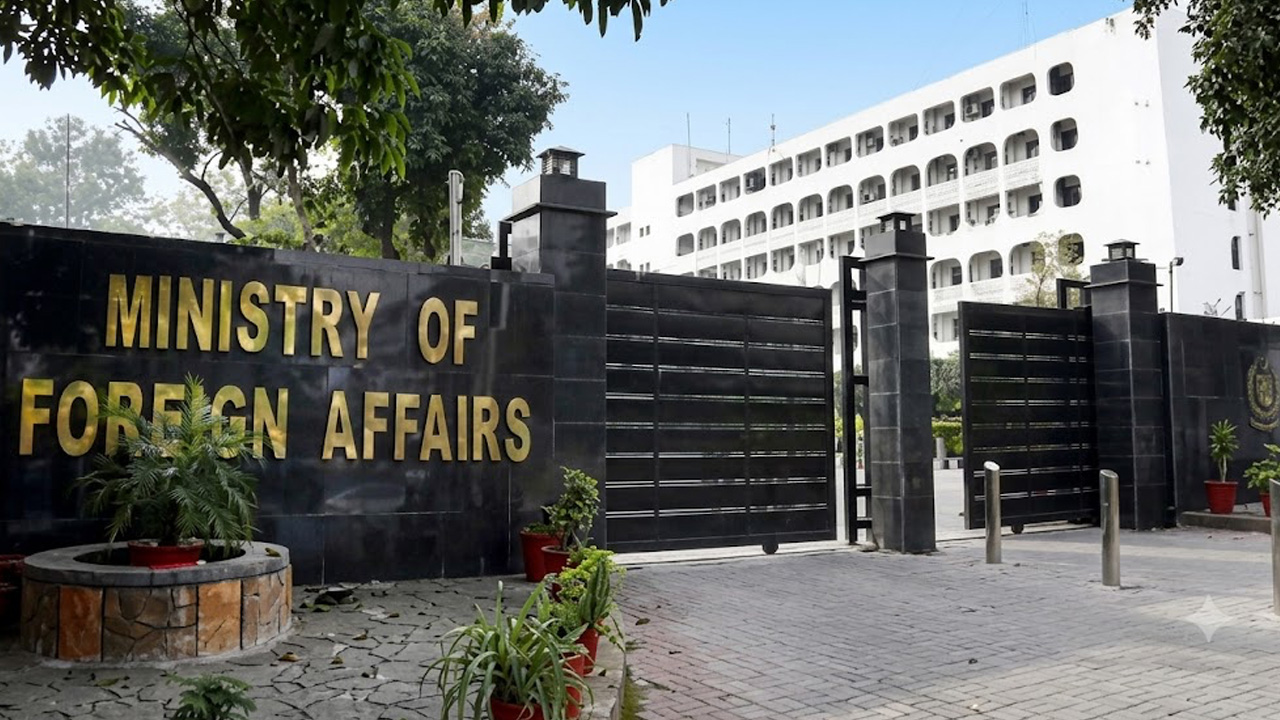
The Pakistani Foreign Office separately said the missile attacks not only violate international law but also threaten the peace and security of Saudi Arabia and the wider region, calling for an immediate end to the strikes and reaffirming solidarity with Riyadh against any threat to its territorial integrity.
Regional and International Reaction
Pakistan’s condemnation echoes similar statements from other regional powers. The United Arab Emirates’ Ministry of Foreign Affairs also condemned the missile strikes, calling them a direct threat to regional stability and declaring solidarity with Saudi Arabia, while backing any measures Riyadh takes to defend its territory. The UAE has separately condemned Houthi attempts to strike oil tankers in the Red Sea using explosive-laden boats, warning that such attacks endanger global energy supplies, international trade, and navigation.
Why the Red Sea Matters to Pakistan
Beyond solidarity with Saudi Arabia, Pakistan has its own strategic stake in the crisis. Officials in Islamabad are concerned that a Houthi-led escalation could disrupt shipping in the Red Sea, a critical trade route that Pakistan and many other countries rely on. Pakistani soldiers are reportedly deployed near the Saudi border with Yemen, increasing the country’s direct exposure to any further escalation.
The current crisis follows a period of relative calm: the exchange of fire broke a four-year truce that had largely kept Saudi Arabia out of direct conflict with the Iran-aligned Houthi movement, after the group accused the kingdom of striking an airport under its control.
Background: A Long-Running Conflict
The Houthi movement, backed by Iran, has for years targeted Saudi Arabia and international shipping lanes in the Red Sea and Bab al-Mandeb Strait, one of the world’s most important maritime chokepoints for oil and commercial trade. Saudi Arabia fought a seven-year war against the Houthis from 2015 to 2022, before signing a truce that held until the recent flare-up. Attacks on commercial vessels in the southern Red Sea have previously drawn condemnation from Western powers as well, with the United States repeatedly urging international cooperation to protect maritime security in the region.
With Pakistan, the UAE, and other regional and international actors now voicing condemnation, attention is turning to whether renewed Houthi aggression could draw more countries into direct confrontation — and what it could mean for global shipping and energy markets that depend on safe passage through the Red Sea.

At least 24 India-backed terrorists gunned down in Bannu operations: ISPR
ISLAMABAD: In a major move aimed at ensuring political stability and institutional transparency, the Election Commission of Pakistan (ECP) has...