Karachi Court Grants Bail in Case Linked to Alleged Drug Distribution Network
A Judicial Decision in an Ongoing Case
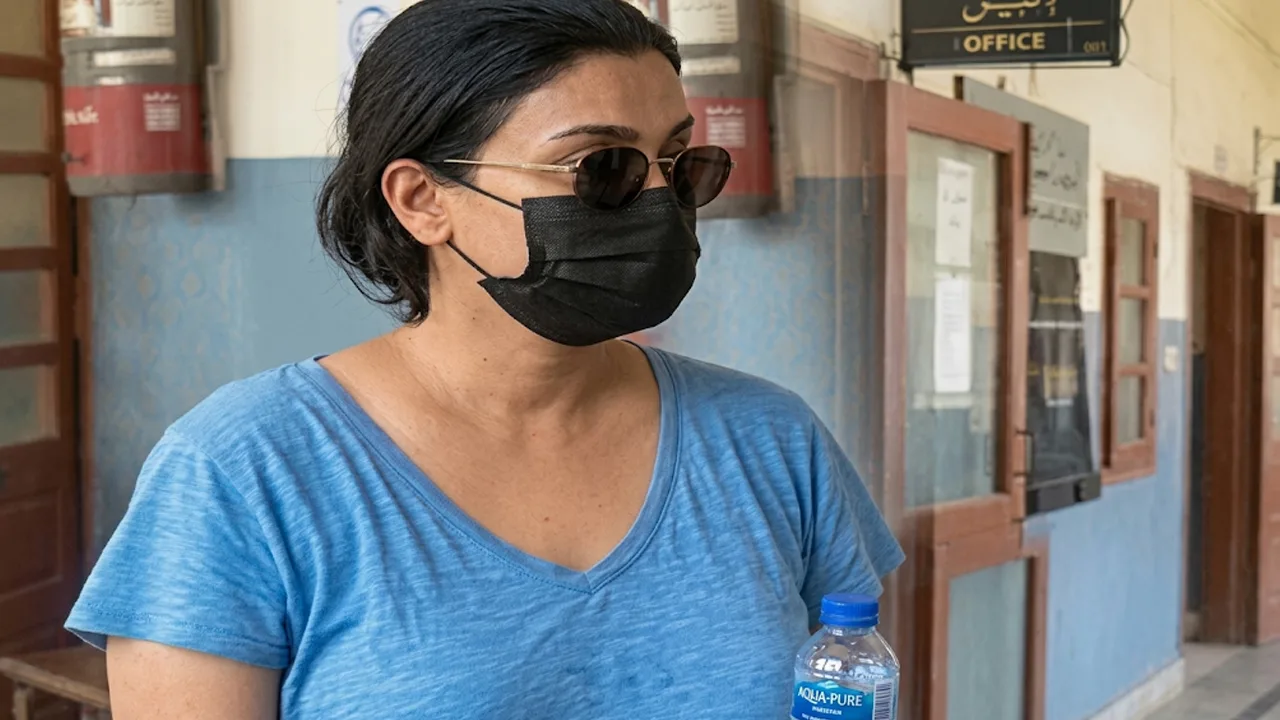
A Karachi court grants bail to an accused allegedly linked to a drug distribution case, while the case's principal accused remains in custody.
A District and Sessions Court in Karachi has granted bail to Aqib, who is accused of being involved in a drug distribution case. Aqib was named alongside another individual, identified as the principal accused. This decision is a significant step in the ongoing judicial proceedings.
Bail decisions are a routine part of the judicial process. Courts assess whether an accused should be released from custody while their case continues through legal channels.
Details of the Court's Decision
The court accepted Aqib's bail application, requiring him to provide surety bonds worth Rs100,000 for his release. Surety bonds ensure that an accused appears for future court proceedings, offering a financial guarantee for compliance with the judicial process.
This conditional release is standard practice, allowing accused individuals to remain out of custody while their case proceeds, provided they meet the conditions set by the judge.
Understanding the Allegations Against the Accused
Police allege that Aqib worked in a supporting role as a rider, facilitating deliveries related to the case. These allegations are subject to determination by the trial court. The bail decision does not indicate guilt or innocence but reflects a procedural decision on the conditions for Aqib's release.
The Role of the Principal Accused
The principal accused remains in judicial custody. Unlike Aqib, the court did not grant bail, suggesting different factors were considered for this individual's circumstances.
The treatment of individuals in a case depends on factors like their alleged involvement, legal history, and other considerations judges evaluate during bail proceedings.
How the Bail Process Works
In Pakistan, seeking bail involves a formal application to the court, followed by a hearing where both prosecution and defence present arguments. Judges consider the severity of the alleged offence, the likelihood of the accused appearing for future proceedings, and public safety risks before deciding.
Surety bonds, like the Rs100,000 set in this case, help ensure the accused remains engaged with the legal process, as failing to appear can result in forfeiture of these guarantees.
The Importance of Due Process
This case highlights the importance of due process, allowing accused individuals to have their cases heard through legal channels instead of facing indefinite detention. The bail process balances the rights of the accused with public interest and legal accountability.
This balance is crucial in modern legal systems, ensuring accusations are examined through a fair judicial process before determining guilt or innocence.
What Happens Next in the Case
With Aqib granted bail, attention shifts to the continuation of court proceedings. As the trial progresses, additional hearings will examine evidence and testimony related to the allegations.
The principal accused's continued detention suggests that their legal proceedings may follow a different timeline, involving separate considerations for the court.
Why Such Cases Matter
Drug-related cases attract public attention due to their social and legal implications. Court proceedings demonstrate how the justice system addresses these allegations, ensuring legal processes are followed for all involved, regardless of their role.
Looking Ahead
As the case moves through the judicial system, further hearings and developments are expected. The trial's outcome will determine the legal responsibility of those named, with the court evaluating evidence and testimony as proceedings unfold.
This bail decision is one step in a larger legal process, with the final determination of guilt or innocence resting with the trial court.
Related stories
 Breaking
Karachi Plant Quarantine, Pesticide Labs Upgraded
 Breaking
Maryam Nawaz Speaks to Scooty-Riding Girl; Suspect Arrested
 Pakistan
Pakistan, Russia Discuss Disaster Management Cooperation
 Pakistan
Pakistan, EU Agree to Boost Counterterrorism Cooperation
 Pakistan
Colourful Dancing Fountain Installed at Lahore’s Azadi Square
 Pakistan