Senate Goes Digital: New Mobile Application Launched to Modernize the Upper House
A New Chapter in Parliamentary Technology
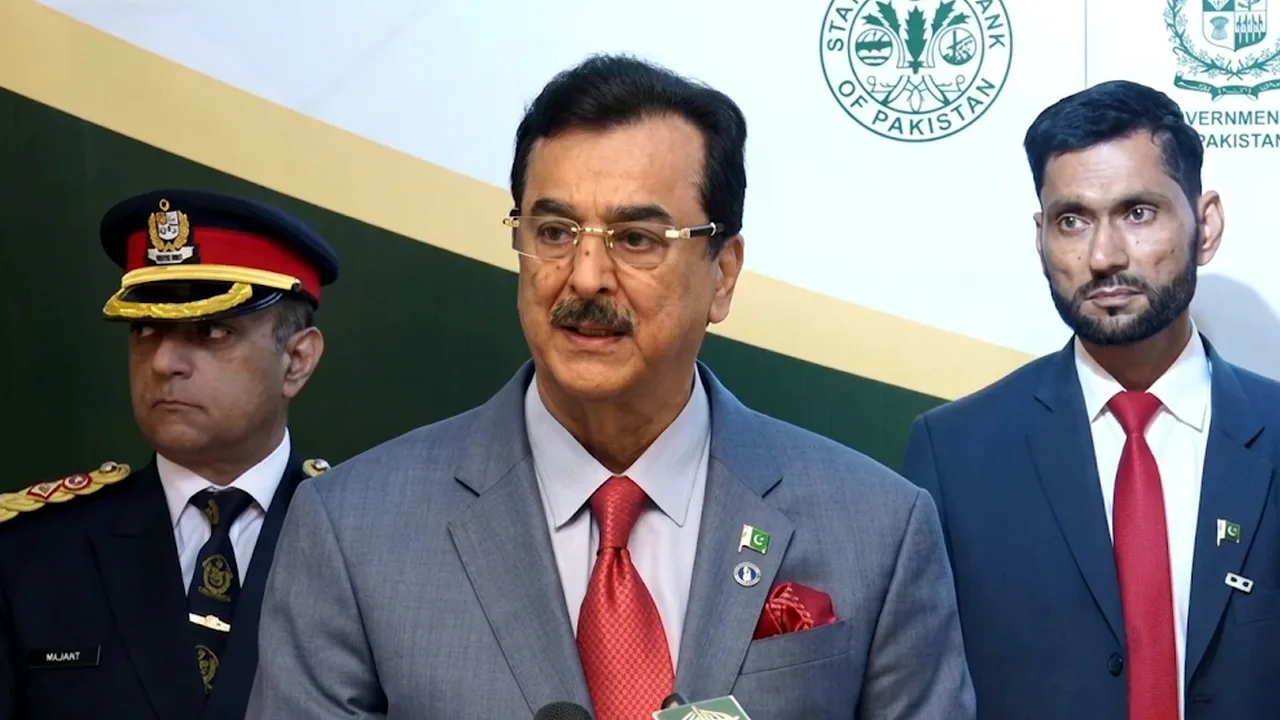
The Acting President launches the Senate's new mobile application, aimed at modernizing operations and strengthening public engagement with Pakistan's Upper House.
Pakistan's Senate has launched a mobile application, unveiled by the Acting President in Islamabad. This tool aims to modernise the Upper House's operations, making them more efficient, transparent, and accessible to members and the public.
The launch reflects a global trend of legislative bodies using digital platforms to enhance functionality and communication with citizens, as technology becomes central to daily life.
A Transformational Step for the Senate
At the launch event, the Acting President called this initiative a milestone in modernising the Senate. He expressed confidence that the application would significantly impact the Senate's daily work.
He noted that this is more than a technological upgrade; it represents a strategic shift in the Senate's approach to its responsibilities, ensuring it keeps pace with evolving technology.
Strengthening the Senate's Internal Systems
The Acting Chairman of the Senate explained that the application is part of a broader effort to modernise internal systems. It aims to improve how the Senate manages its administrative and legislative processes.
He emphasised that a key goal is to strengthen the connection between the public and the Senate, making information more accessible and the Senate more transparent.
A Modern Parliament Needs Modern Systems
The Minister for Parliamentary Affairs highlighted that a modern parliament needs systems that allow for proper debate, scrutiny, and communication of laws. The new application is expected to make the parliamentary process more citizen-centric, providing better access to legislative information.
Part of a Broader Digital Transformation Effort
The Minister for Information Technology placed this initiative within the context of the government's digital transformation efforts. She noted that various ministries have already transitioned to paperless operations, and the Senate is set to follow.
This alignment across government branches suggests a coordinated effort to modernise public institutions, rather than treating digital transformation as isolated.
Why Mobile Applications Matter for Governance
Mobile applications are increasingly used by legislative bodies to improve public engagement and efficiency. They provide real-time updates on legislative activities and easier access to official documents and schedules.
For Senate members, the application can streamline communication and coordination, making it easier to access documents and track legislative matters.
Enhancing Transparency and Public Trust
By making Senate information more available through a mobile platform, this initiative could enhance public trust in the legislative process. Easier access to information about representatives' work can strengthen the connection between the public and government institutions.
Increased transparency through digital tools is seen as a step toward more open and accountable governance, allowing citizens to engage more directly with the legislative process.
A Reflection of Broader Institutional Modernisation
This launch fits within a pattern of institutional modernisation across government bodies. As ministries transition to digital systems, the Senate's mobile application shows that this push extends to the legislative branch as well.
Looking Ahead
As the Senate's application is used by members and the public, its impact on efficiency, transparency, and engagement will become clearer. Success will depend on its adoption and use by both Senate members and the public.
With this launch, the Senate joins a growing number of institutions adopting digital-first approaches, showing a commitment to keeping Pakistan's legislative processes modern and accessible.
Related stories
 Breaking
PM Shehbaz Likely to Visit Russia in December
 Government
48 Members Appointed to KP Regional Development Council
 Government
Gilani Calls for Collective Efforts to Improve Child Health
 Government
PM: Govt Working to Ensure Decent Livelihoods for All
 Government
Pakistan Offers Türkiye Full Help After Istanbul Floods
 Government