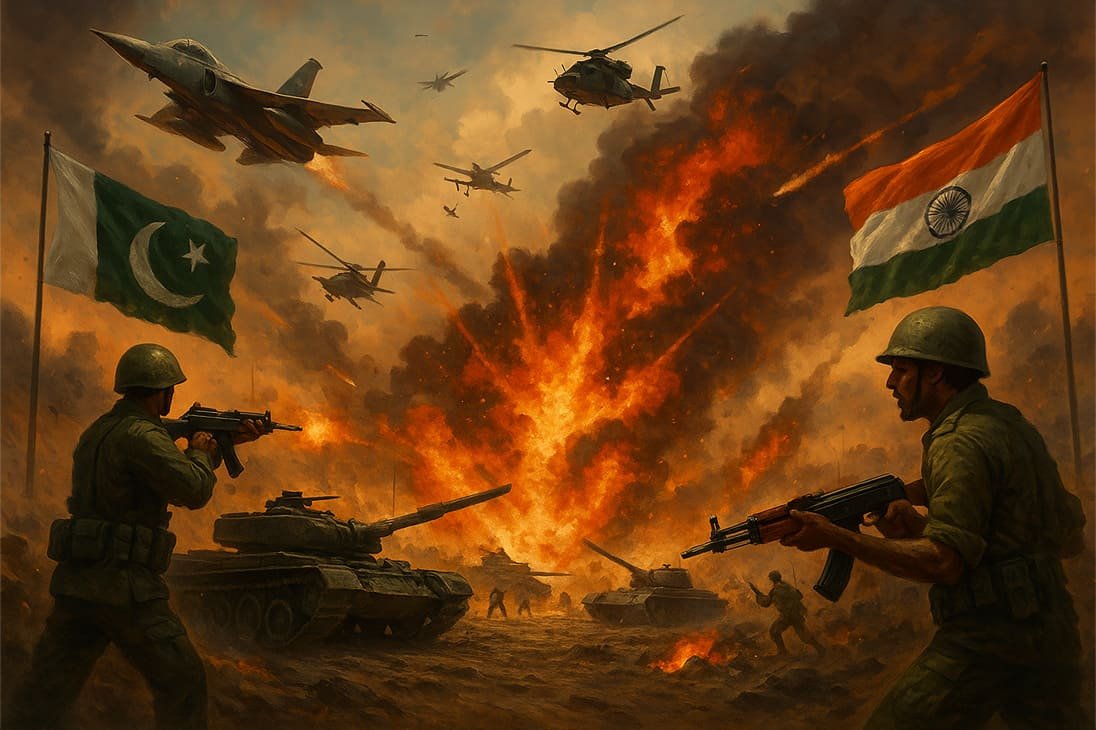
While tanks, fighter jets, and heavy artillery often dominate the headlines in discussions of war, real-world conflicts are shaped just as much by geography. In the case of India and Pakistan, the terrain gives Pakistan a significant defensive advantage. With a relatively narrow and focused set of borders to protect, Pakistan can consolidate its forces and respond quickly to any incursions. On the other hand, India must manage a vast and diverse border – not only with Pakistan but also with China, Nepal, and Bangladesh.
This wide frontier forces India to spread its military resources thin, making rapid mobilization difficult. Particularly along the Line of Actual Control with China, India must keep significant troops and equipment stationed year-round. Moving large-scale military assets from these eastern or northern zones toward the western border with Pakistan isn’t just logistically complex – it also risks exposing vulnerabilities elsewhere.
In short, even with superior numbers or firepower on paper, the geographical and strategic reality means India cannot easily shift its full military focus to Pakistan without consequences.
Pakistan’s Missile Program: A Strategic Edge in Deterrence
One of the most critical factors that neutralizes conventional military imbalance between India and Pakistan is the missile capability – an area where Pakistan has developed strong and highly responsive systems. Over the years, Pakistan has invested heavily in its missile technology, focusing on precision, mobility, and second-strike capability.
Pakistan’s missile arsenal includes a wide range of short-, medium-, and long-range systems such as the Shaheen, Ghaznavi, and Ababeel, the latter reportedly capable of carrying multiple warheads (MIRVs).
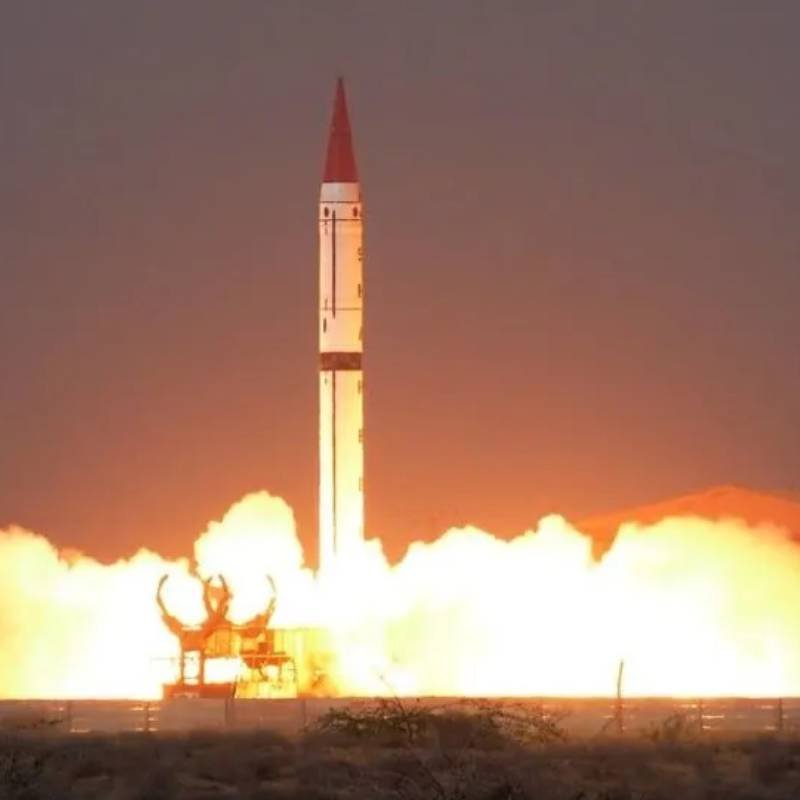
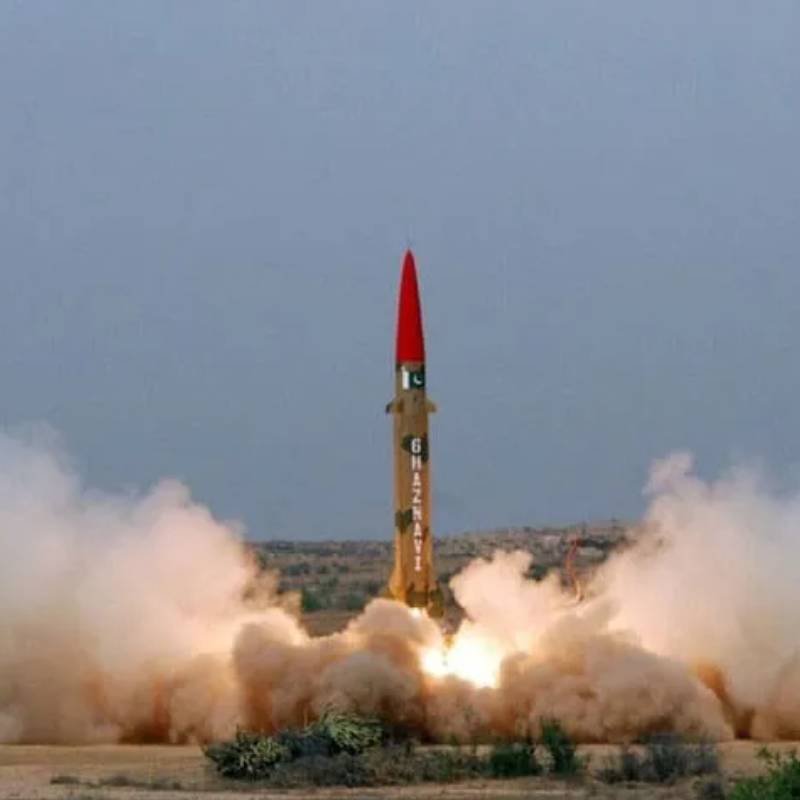
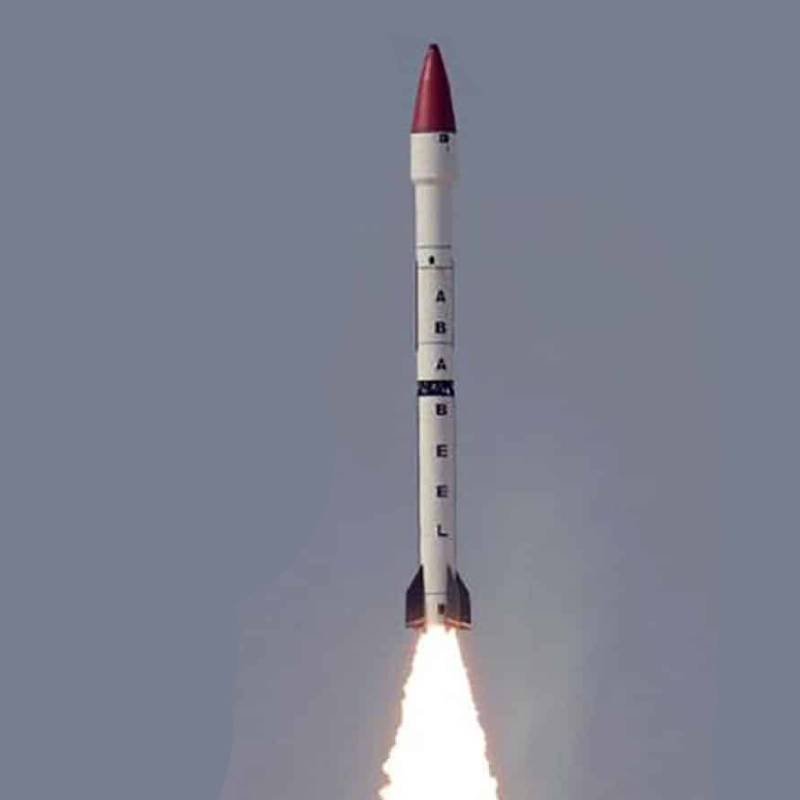
These systems are not only nuclear-capable but also highly mobile, making them difficult to track and neutralize. Pakistan’s tactical missile Nasr (Hatf-IX) adds another layer to its defense, providing battlefield deterrence in case of a limited war or Cold Start-style doctrine attempt by India.
While India has a larger missile program in terms of range — with weapons like the Agni-V designed for long-distance deterrence – Pakistan’s missile systems are more focused on quick deployment, regional defense, and realistic conflict scenarios. This makes them highly effective in the context of the Indo-Pak theatre.
Air Power: A Proven Strength for Pakistan
Air superiority plays a crucial role in modern warfare, and while both India and Pakistan maintain strong air forces, history has repeatedly shown Pakistan’s ability to punch above its weight. From the legendary feats of the past to the precision strikes of recent years, Pakistan’s air power has proven to be both disciplined and formidable.
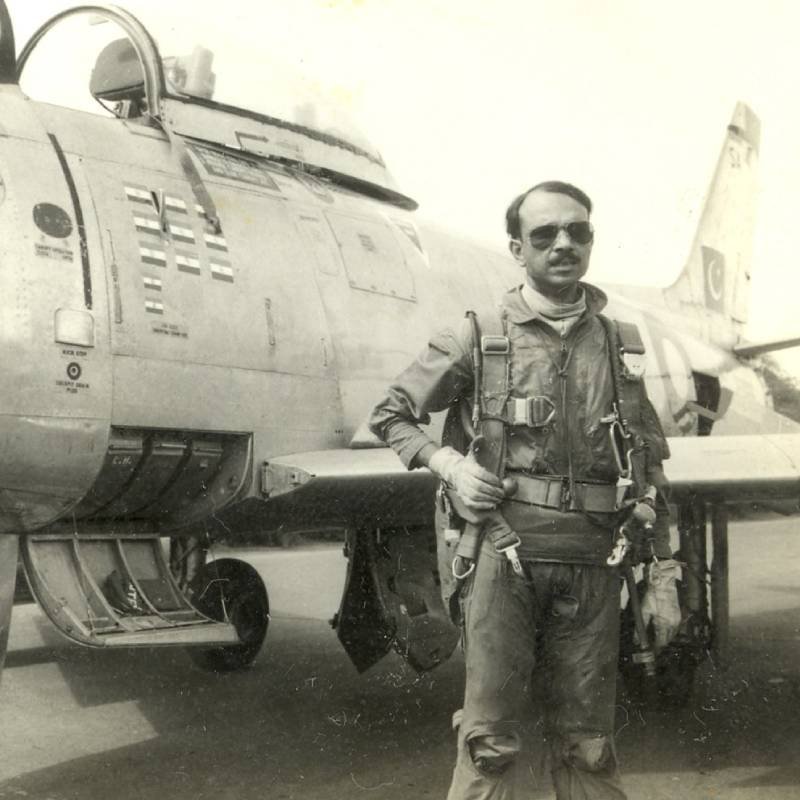
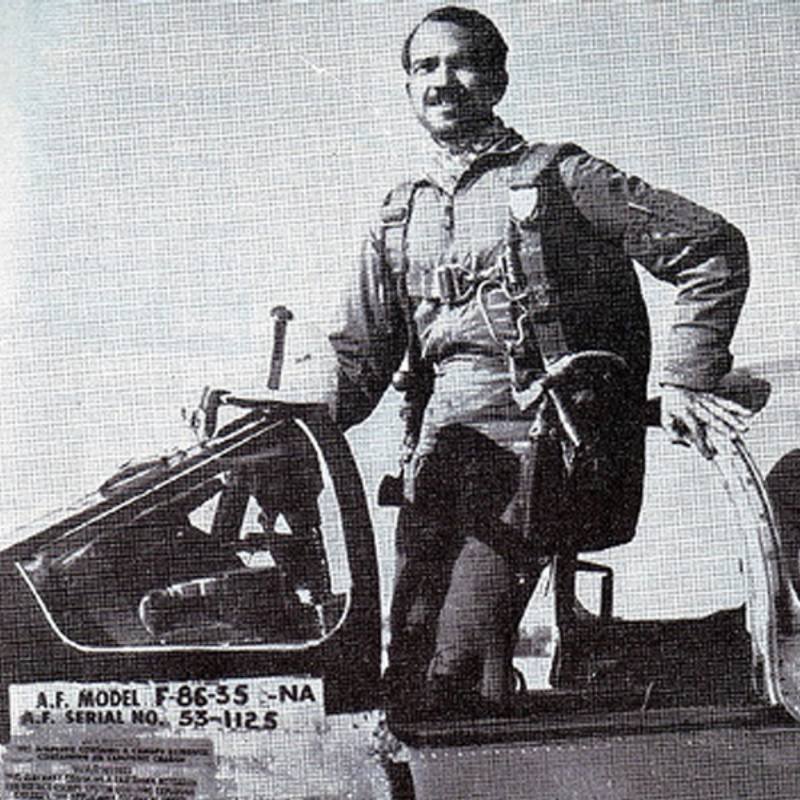
One of the most iconic examples is the 1965 war, when Pakistan Air Force (PAF) pilot MM Alam shot down five Indian Air Force jets in less than a minute — a record that still stands globally. This single event not only showcased pilot skill but also demonstrated the tactical efficiency and sharp response capability of the PAF.
Fast forward to February 2019, in the aftermath of India’s Balakot airstrike, Pakistan’s response was swift and calculated. In Operation Swift Retort, PAF struck targets across the Line of Control (LoC) – A precise message of capability and restraint. More notably, Pakistan shot down two Indian jets and captured Wing Commander Abhinandan Varthaman, whose jet was downed in a dogfight. The image of an Indian pilot in Pakistani custody quickly went viral, dealing a significant blow to Indian morale and narrative.
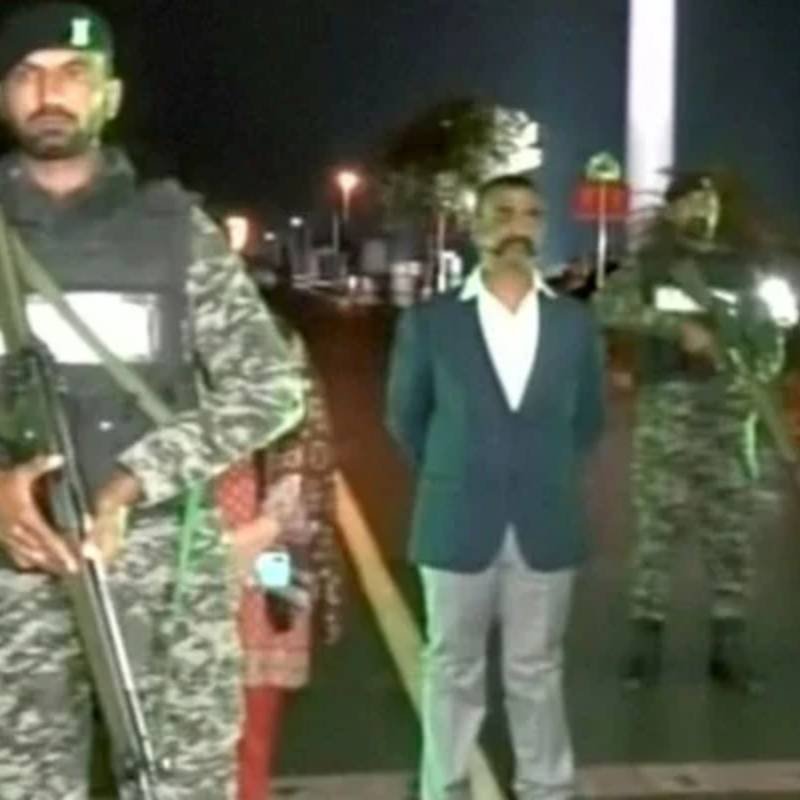

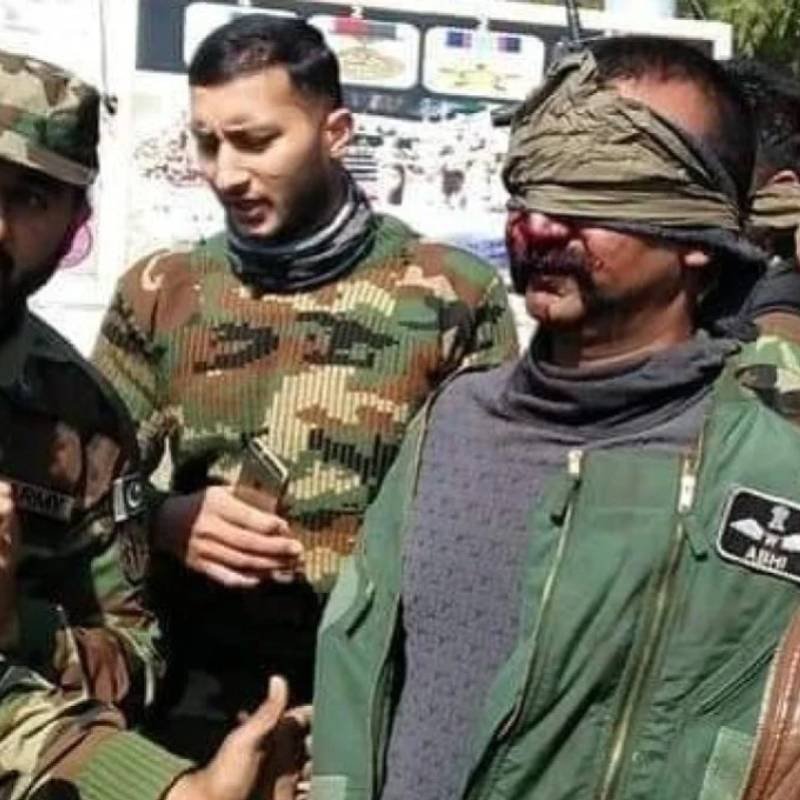
Despite India’s larger fleet on paper, Pakistan’s training, real-time coordination, and use of modern platforms like the JF-17 Thunder have given it a strong edge in tactical air engagements.

The 2019 incident reaffirmed that Pakistan’s air force remains not only ready but also capable of turning the tide even in complex scenarios.
Ground Combat: Pakistan’s Battle-Hardened Forces
While numbers often dominate military comparisons, real strength lies in combat experience – and Pakistan’s army has decades of it. Unlike theoretical war games, Pakistani ground forces have been actively engaged in real, high-intensity combat against well-trained and organized militant groups in regions like Waziristan and Balochistan. These operations, especially under the umbrella of campaigns like Operation Zarb-e-Azb and Radd-ul-Fasaad, have shaped a military force that is not only disciplined but also seasoned in asymmetric and urban warfare.
If a conventional war were to break out with India, Pakistan wouldn’t need to develop new tactics from scratch. In fact, the same battlefield strategies it has used effectively against foreign-trained militant groups, many of which have had Indian links, would apply. These operations involved hit-and-run tactics, decentralized command, counter-intelligence, and securing hostile territory – all under immense pressure.
Global Perception and the Challenge of International Support
In any conflict, international opinion plays a major role — not just diplomatically, but also in terms of sanctions, pressure, and narrative control. While India has often tried to build global consensus against Pakistan by alleging cross-border terrorism, it has repeatedly failed to present conclusive evidence that convinces major world powers. Many of its claims remain unproven, and often unravel under international scrutiny.
In contrast, Pakistan has in its custody an actual Indian national — Kulbhushan Jadhav, a former Indian Navy officer, who was arrested on Pakistani soil and convicted of espionage and terrorism. The case received global attention and remains a strong example Pakistan presents as proof of Indian involvement in destabilizing activities within its borders.
This clear imbalance in credible evidence has shaped how global institutions and watchdogs view the two countries. While both nations face scrutiny, India’s failure to substantiate its claims has limited its ability to rally full international support in times of tension.
In the event of war, this lack of airtight global backing could leave India more isolated than it expects — especially as global powers increasingly push for de-escalation, dialogue, and evidence-based diplomacy.
Conclusion: In War, There Are No Winners – Only Survivors
The military comparisons between India and Pakistan often dominate headlines, but beneath the surface lies a more sobering truth: a full-scale war between two nuclear-armed neighbors would be catastrophic for both. Despite India’s larger army and equipment stockpile, Pakistan’s geographic advantage, combat experience, missile readiness, and air power capabilities make any notion of a quick or easy Indian victory deeply unrealistic.
Pakistan has consistently proven its ability to respond decisively – whether in defending its airspace in 2019, countering insurgencies fueled by indian support, or maintaining credible nuclear deterrence. Yet, even with this preparedness, Pakistan has not sought war, only peace with dignity.
In today’s world, strategy, restraint, and diplomacy are more powerful than firepower. A single miscalculation could spiral into irreversible damage — not just for India or Pakistan, but for the entire region. The real victory lies not in battlefield dominance, but in avoiding the battlefield altogether.