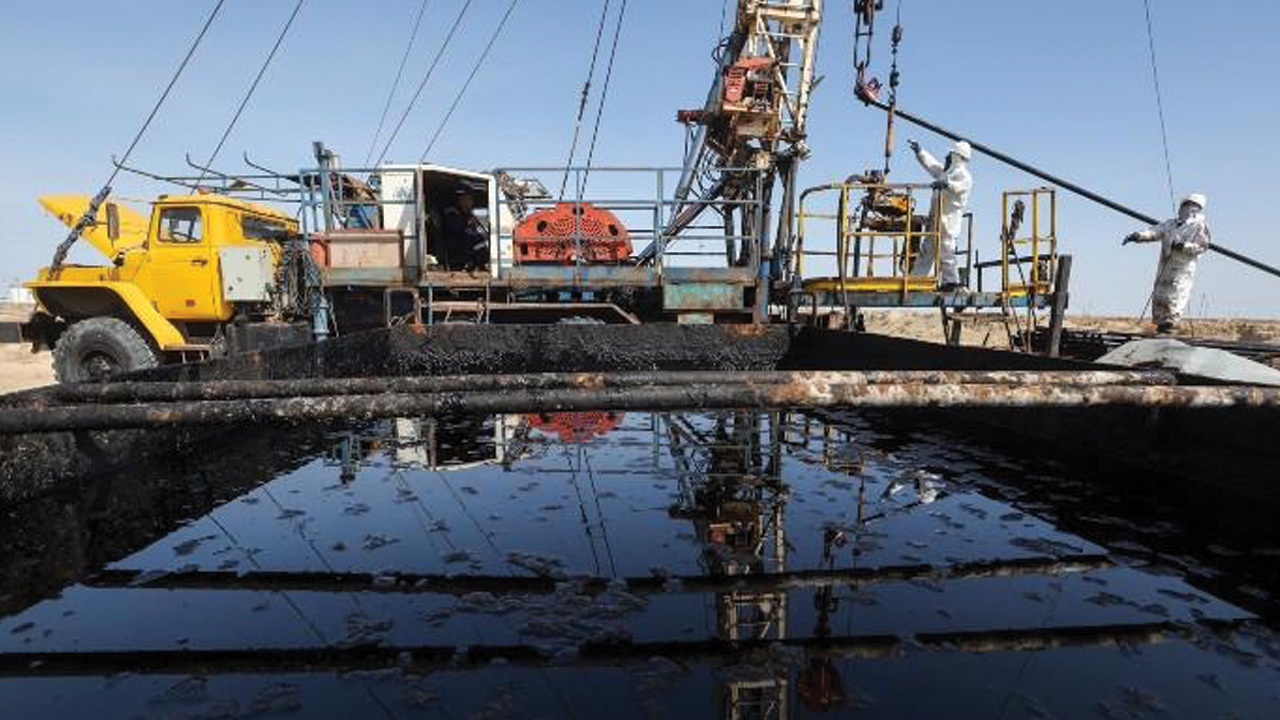
ISLAMABAD — Federal authorities and domestic oil refineries have initiated urgent measures to explore alternative crude oil import sources outside the Gulf region, moving to safeguard national energy security amid growing concerns over potential supply chain disruptions near key Middle Eastern transit corridors.
The Ministry of Petroleum directed refinery managements to identify viable alternative suppliers and shipping routes after security risks and geopolitical volatility raised uncertainties surrounding traditional shipments traversing the Strait of Hormuz and the Bab el-Mandeb Strait.
Diversification Efforts and Alternative Sources
Local refineries—including Pakistan Arab Refinery Company (PARCO), Pakistan Refinery Limited (PRL), National Refinery Limited (NRL), and Cnergyico—have engaged international oil traders to evaluate prompt crude cargoes that bypass vulnerable maritime chokepoints.
Targeted Regions: Refineries are assessing potential imports from the United States, West Africa (including Nigeria), Singapore, and Central Asian producers.
Bypassing Chokepoints: Sourcing crude from these alternative markets ensures that cargo routes bypass the Strait of Hormuz entirely, delivering directly into ports along the Arabian Sea.
Transshipment Options: Authorities are also reviewing logistics for securing supplies via Omani ports and utilizing prompt spot-market cargoes anchored near East Asian trading hubs like Singapore.
Strategic Energy Context
Pakistan relies heavily on imported crude oil and refined products to meet domestic fuel demand, historically sourcing the vast majority of its crude requirements through long-term agreements with state suppliers in Saudi Arabia, Kuwait, and the United Arab Emirates.
While domestic refineries currently maintain sufficient commercial inventories to meet immediate demand, the proactive push toward import diversification reflects a strategic policy shift to build broader supply resilience and mitigate the economic impact of global energy shocks.