Pakistan Set to Establish First EASA-Approved MRO Facility
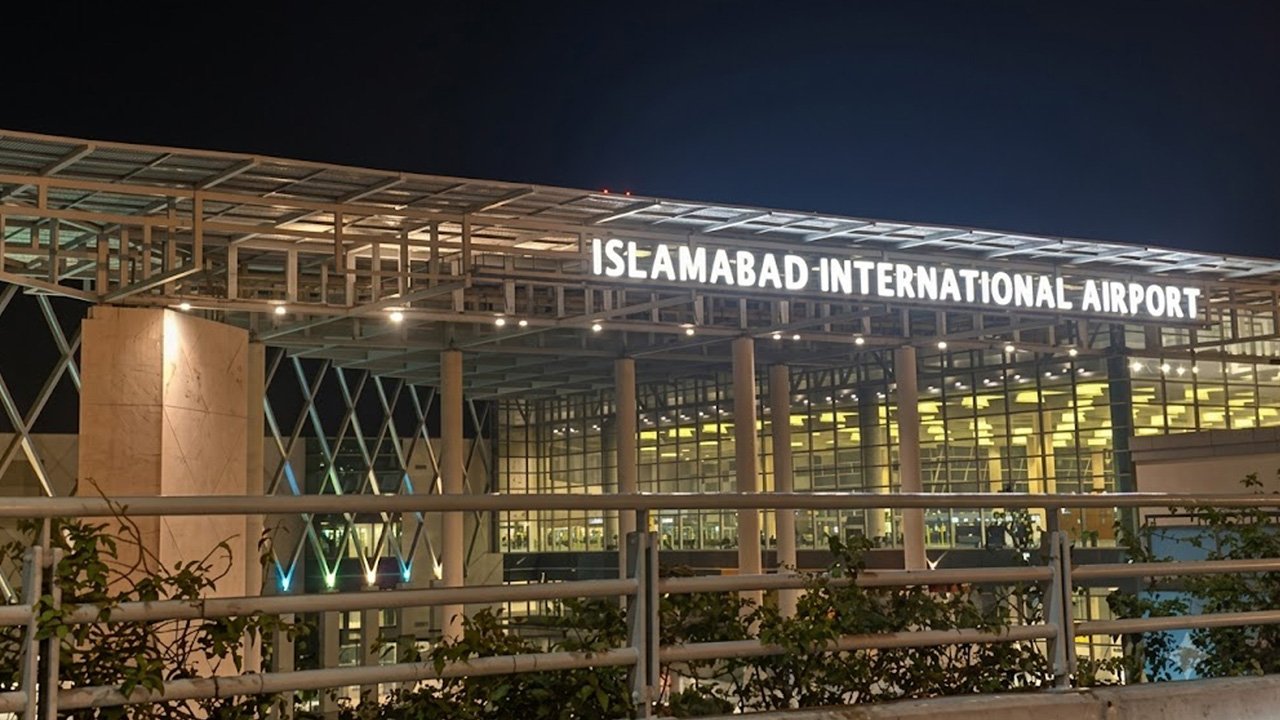
ISLAMABAD — In a major step toward modernizing its commercial aviation infrastructure, Pakistan is establishing its first European Aviation Safety Agency (EASA)-approved Maintenance, Repair, and Overhaul (MRO) facility at Islamabad International Airport.
Developed under the Ministry of Defence’s Aviation Sector Transformation Programme, the initiative aims to build indigenous aircraft engineering capacity, generate skilled technical jobs, and save millions of dollars in foreign exchange by reducing reliance on foreign maintenance centers.
Key Highlights of the MRO Project
Developer & Regulatory Oversight: Private aviation service provider NORTEK is establishing the specialized MRO facility with administrative support from the Pakistan Airports Authority (PAA) and oversight from the Pakistan Civil Aviation Authority (PCAA).
EASA Certification Target: The facility will seek formal certification from EASA, marking a significant milestone as the first center of its kind operating under European safety standards within Pakistan.
Fleet Coverage: Once operational, the center will offer base maintenance and specialized component support for Airbus A320-family narrow-body aircraft, including the A318, A319, A320, and A321.
Parallel Expansion: Airblue Maintenance Hangar & Simulator Hub
Alongside the NORTEK project, Pakistani commercial carrier Airblue Limited is constructing a state-of-the-art covered aircraft maintenance hangar at Islamabad International Airport. Built to EASA specifications, the facility will provide all-weather protection for aircraft, engineering crews, and technical equipment. While designed to support Airblue’s fleet, the hangar will also offer maintenance services to other airlines operating Airbus A320-family aircraft in the region.
Additionally, Airblue is establishing a Flight Training Centre featuring a Full Flight Simulator (FFS) facility, with completion scheduled for April 2027. The training hub will provide type-rating and recurrent training for pilots, addressing local skill shortages and cutting the high costs of overseas pilot certification.
Economic & Strategic Significance
Historically, domestic airlines in Pakistan have had to send commercial jets abroad for heavy maintenance checks, expending substantial foreign currency reserves and causing extended operational downtime.
By establishing EASA-compliant MRO services and flight simulator hubs locally, Pakistan aims to:
Conserve Foreign Exchange: Retain millions of dollars annually previously spent on international engineering and pilot training services.
Transform Islamabad Airport: Position Islamabad International Airport as a regional hub for aircraft maintenance, engineering, and regulatory compliance.
Build Technical Talent: Create high-value engineering and technical jobs for local aerospace professionals.


South Air launches Gwadar flight operations
GWADAR — Private regional carrier South Air has officially launched regular commercial flight operations connecting Gwadar with major urban hubs,...