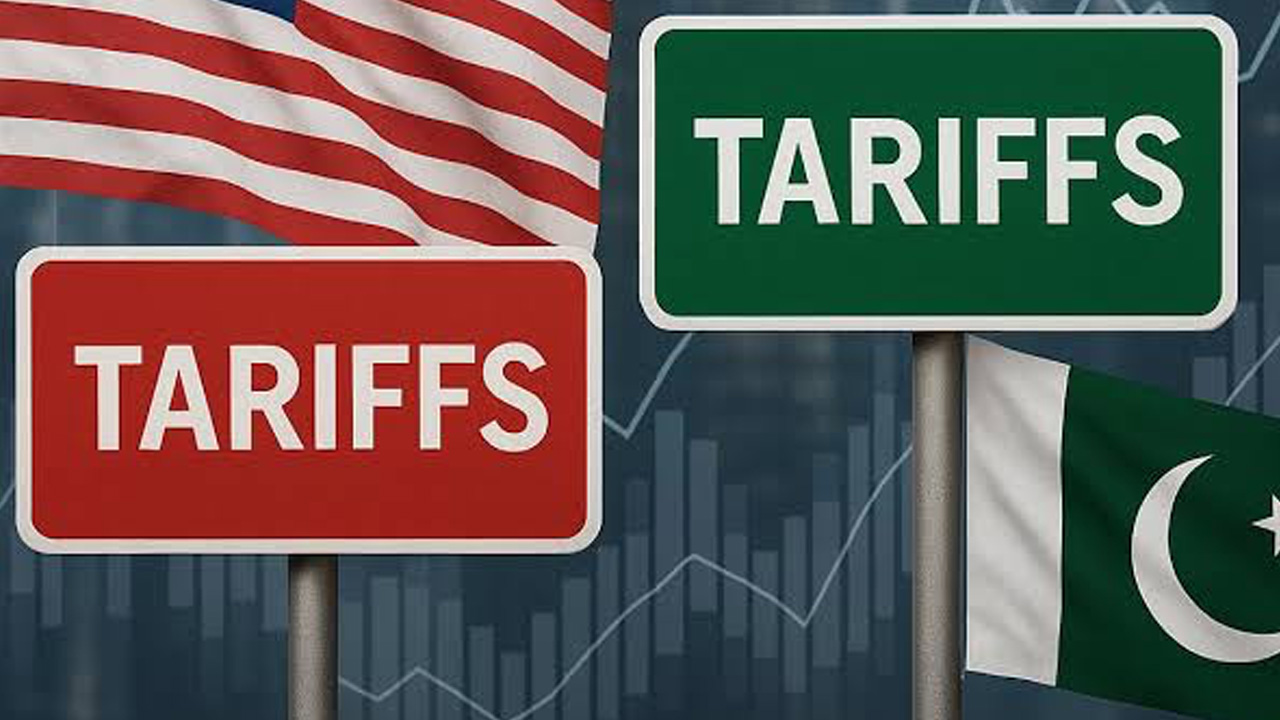
Pakistan Sovereign Bonds Slide Following Fresh US Tariff Announcements
WASHINGTON / KARACHI — International dollar-denominated sovereign bonds issued by Pakistan and other frontier economies faced renewed downward pressure following new global tariff declarations announced by U.S. President Donald Trump. The news triggered a wave of risk aversion across global fixed-income markets, pushing investors toward safer debt assets and driving bond prices lower across emerging economies.
The sharp pullback in Pakistan’s Eurobonds reflects mounting worries among international credit analysts regarding trade barriers, external debt servicing capabilities, and overall global trade liquidity. As international capital markets adjust to altered tariff structures, developing economies reliant on export revenue face tighter borrowing conditions and elevated yield spreads.
Market Reaction and Bond Yield Pressure
Following the White House executive orders outlining revised import duties, Pakistan’s longer-dated sovereign dollar bonds recorded notable declines in secondary market trading. The fall in bond valuations sent yields higher, making future international market borrowing increasingly expensive for the country.
Sovereign Debt Volatility: Pakistan’s longer-dated debt securities saw secondary market pricing weaken as institutional investors reduced their risk exposure to emerging and frontier market paper.
Emerging Market Spillover: Similar declines were observed in sovereign debt issued by Sri Lanka, Indonesia, and select African nations, highlighting a broader market rotation away from higher-risk assets.
Rising Cost of Capital: Higher yields on existing debt complicate efforts for developing nations to issue new Sukuk or Eurobonds at sustainable interest rates, forcing governments to rely more heavily on multilateral institutions.
Financial analysts note that the sudden pressure on bond prices highlights how sensitive developing economies remain to shifts in U.S. trade and monetary policies.
Tariff Context and Trade Implications
The recent sell-off comes against the backdrop of broad U.S. executive actions targeting dozens of trading partners. While Washington has engaged in bilateral discussions to establish reciprocal trade agreements and adjusted duty structures, global markets remain wary of the friction these levies create in international supply chains.
Pakistani exports to the United States—primarily textiles, apparel, and manufactured goods—face distinct duty schedules under the new U.S. trade frameworks. Although Pakistani negotiators have worked to secure manageable tariff rates compared to some regional competitors, investors remain concerned that higher import costs into the U.S. could dampen export demand.
For an economy working to build up foreign exchange reserves and maintain external account balance, any potential slowing of export growth poses challenges for medium-term debt sustainability.
Broader Economic Challenges for Frontier Markets
Frontier economies like Pakistan are particularly susceptible to trade shocks. Market strategists highlight three main transmission channels through which U.S. tariff shifts impact frontier bond markets:
Foreign Exchange Pressures: Reduced export earnings can constrain dollar inflows, making it harder for central banks to back foreign currency obligations without drawing on reserves.
Global Sentiment and Risk Off Movements: When protectionist measures escalate, institutional investors systematically trim holdings in emerging market debt in favor of U.S. Treasuries and gold.
Elevated Borrowing Costs: Double-digit yields on international debt prevent frontier nations from refinancing maturing bonds on commercial terms, increasing reliance on structural adjustment programs.
“There are persistent market concerns that frontier economies will encounter stricter borrowing environments as global risk appetite contracts,” observed fixed-income strategists tracking regional debt developments. “Ensuring strong official sector support and maintaining domestic reform momentum remain essential to keeping investor confidence grounded.”
Outlook and Policy Countermeasures
Despite market volatility, Pakistani official sources emphasize that the country remains committed to meeting all international debt obligations on schedule. Fiscal authorities continue to prioritize structural reforms, tax expansion, and fiscal discipline to maintain stability under ongoing international programs.
To mitigate the external impact of global trade shifts, the government is focusing on several strategic initiatives:
Export Diversification: Expanding trade avenues toward Central Asia, the Middle East, and East Asian markets to diminish reliance on single destinations.
Bilateral Investment: Attracting direct foreign investment into energy, agriculture, and technological sectors to build sustainable capital inflows.
Debt Management: Prioritizing concessional financing from bilateral and multilateral partners to manage debt servicing without over-relying on expensive commercial bond markets.

How to get Rs1 million loan in Punjab
LAHORE — The Government of Punjab has streamlined access to interest-free micro-loans of up to PKR 1 million through two...