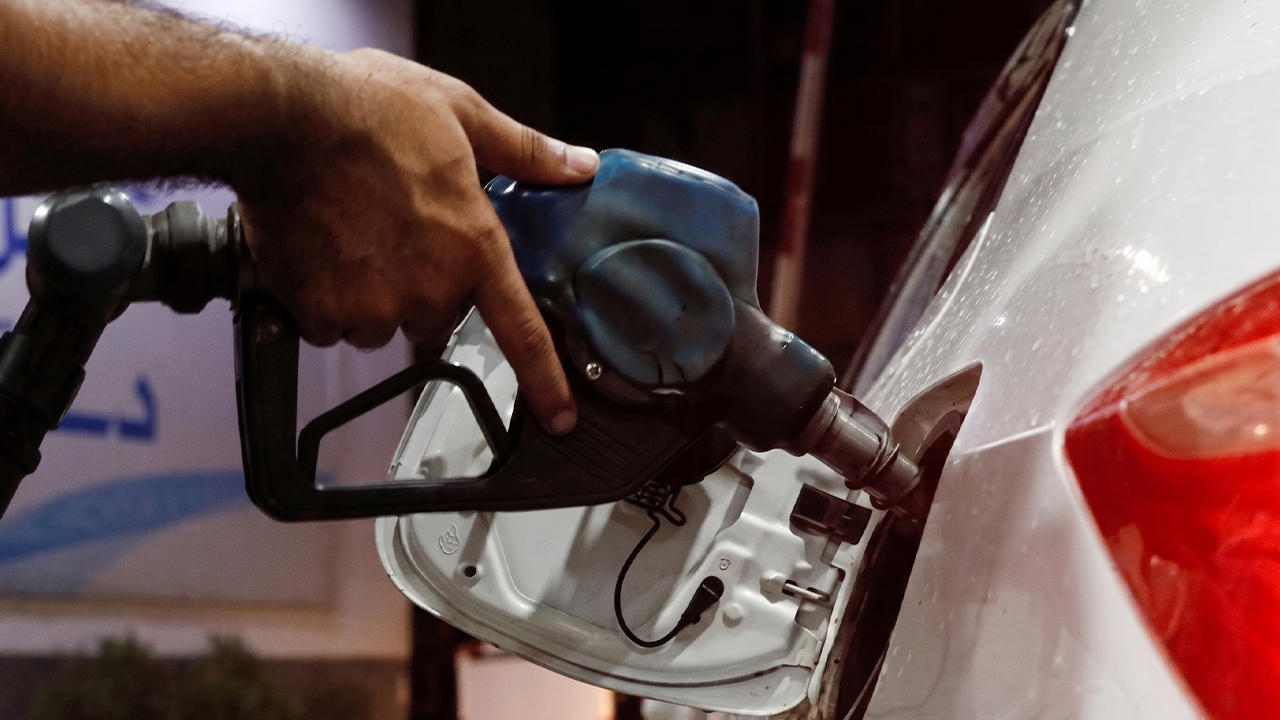
July 24, 2026 — The Government of Pakistan has announced revised petroleum prices, increasing the cost of both petrol and high-speed diesel (HSD). The latest adjustment, which came into effect on July 23, means motorists across the country are paying higher prices at fuel stations from July 24, 2026 onward.
Under the new notification, petrol is priced at Rs. 327.12 per litre, while high-speed diesel (HSD) now costs Rs. 375.04 per litre. The revision reflects changes in global oil prices, exchange rate movements, and the government’s regular fuel pricing mechanism.
The latest increase has drawn attention from consumers, transport operators, and businesses, as fuel prices play a major role in Pakistan’s economy and directly affect the cost of transportation and everyday living.
Latest Petrol and Diesel Prices
According to the revised pricing structure, the new fuel rates are:
Petrol: Rs. 327.12 per litre
High-Speed Diesel (HSD): Rs. 375.04 per litre
Compared to the previous prices, petrol has increased by Rs. 6.39 per litre, while high-speed diesel has risen by Rs. 7.83 per litre. The revised rates became effective immediately after the government’s official announcement.
Why Fuel Prices Change
Pakistan reviews petroleum prices regularly based on several economic factors. One of the biggest influences is the international crude oil market. When global oil prices increase, importing petroleum products becomes more expensive, often leading to higher domestic fuel prices.
Another important factor is the exchange rate. Since Pakistan imports a significant portion of its petroleum requirements, changes in the value of the Pakistani Rupee against the US Dollar directly affect import costs. A weaker rupee generally results in higher fuel prices.
Government taxes, petroleum levies, and distribution costs also contribute to the final retail price consumers pay at fuel stations.
Impact on Daily Life
Fuel price changes affect much more than just vehicle owners. Petrol and diesel are essential for transportation, agriculture, manufacturing, and logistics, meaning higher fuel costs often influence prices across many sectors.
For private motorists, the increase means higher monthly expenses for commuting, especially for those who rely on personal vehicles for work or education.
Public transport operators may also experience higher operating costs, which can eventually affect fares if fuel prices remain elevated for an extended period.
Businesses involved in delivery services, freight transport, and logistics may face increased operational expenses, potentially influencing the prices of goods and services.
Effect on Inflation
Economists often monitor petroleum prices because they have a direct relationship with inflation.
When transportation costs increase, businesses frequently spend more to move raw materials and finished products across the country. These higher costs can eventually be reflected in retail prices paid by consumers.
Essential items including groceries, construction materials, agricultural products, and consumer goods may experience price adjustments depending on transportation expenses.
Although fuel prices are only one factor affecting inflation, they remain among the most closely watched economic indicators.
Challenges for Consumers
For households already managing tight budgets, higher fuel prices may require adjustments in monthly spending.
Many families may look for ways to reduce fuel consumption by combining trips, using public transportation where available, or improving vehicle maintenance to increase fuel efficiency.
Businesses may also review delivery schedules and operational costs to minimize the financial impact of higher fuel prices.
Financial experts recommend careful budgeting during periods of rising energy costs to help manage household expenses more effectively.
Government’s Pricing Mechanism
Pakistan follows a periodic petroleum pricing system in which fuel prices are reviewed based on recommendations from relevant authorities and prevailing market conditions.
The objective is to align domestic fuel prices with international market trends while ensuring the continuous availability of petroleum products across the country.
Although adjustments can result in both increases and decreases, the pricing mechanism aims to reflect actual import and supply costs over time.
Consumers are encouraged to follow official announcements for the latest fuel price updates rather than relying on unofficial reports circulating on social media.
Fuel Prices and the Economy
Petroleum products remain one of the most important components of Pakistan’s economy.
Transportation, agriculture, manufacturing, aviation, and industrial sectors all depend heavily on stable fuel supplies. As a result, even modest price adjustments can influence business planning and economic activity.
Higher fuel costs may encourage businesses to improve operational efficiency, optimize delivery routes, and explore energy-saving measures.
At the same time, policymakers continue monitoring global energy markets to manage economic challenges associated with fluctuating oil prices.
Tips for Saving Fuel
While consumers cannot control market prices, several practical steps can help reduce fuel consumption:
Keep tyres properly inflated.
Avoid unnecessary acceleration and sudden braking.
Maintain regular vehicle servicing.
Plan trips efficiently to reduce unnecessary travel.
Remove excess weight from vehicles.
Consider carpooling when possible.
These simple habits can improve fuel efficiency and help offset part of the impact of higher petrol prices.
Looking Ahead
Global energy markets remain subject to ongoing changes influenced by supply, demand, geopolitical developments, and economic conditions. As a result, future petroleum prices may continue to fluctuate depending on international market trends and domestic economic factors.
Consumers, businesses, and investors will continue monitoring upcoming government reviews to understand how future fuel price adjustments may affect transportation costs and overall economic activity.
Maintaining stability in energy supplies and managing fuel affordability will remain important priorities for both policymakers and consumers.
Conclusion
The latest petroleum price revision has increased petrol to Rs. 327.12 per litre and high-speed diesel to Rs. 375.04 per litre, effective from July 24, 2026. While the adjustment reflects changing global oil prices and economic conditions, it also highlights the importance of efficient fuel usage and careful financial planning.
As Pakistan continues to navigate fluctuations in international energy markets, future fuel price reviews will remain closely watched by households, businesses, and the wider economy.