Iran Reportedly Uses Barter-Style System with China to Bypass Oil Sanctions
A Secretive Trade Arrangement Comes to Light

A Reuters investigation reveals Iran has reportedly used a barter-style trade mechanism with China to bypass oil sanctions and purchase billions in goods.
According to a Reuters investigation, Iran has reportedly been using a barter-like trading arrangement to work around international sanctions on its oil exports, allowing the country to purchase billions of dollars' worth of goods from China, including military-related equipment. This information comes from two senior Iranian sources and three additional individuals familiar with the matter, all of whom spoke on condition of anonymity.
This kind of alternative trade mechanism highlights the complex and often opaque methods that sanctioned countries can employ to maintain international trade relationships despite facing significant economic restrictions.
How the Arrangement Reportedly Works
According to the sources, this trading mechanism involves exchanging Iranian oil for credits that can then be used to purchase Chinese imports, effectively bypassing traditional international banking channels. This kind of barter-style system has reportedly provided important financial support for Iran during a period when the United States has intensified both economic and military pressure related to Iran's nuclear program.
For China, which remains the world's largest importer of crude oil, this arrangement has reportedly helped maintain access to discounted Iranian oil while also providing a degree of protection for banks and companies involved in trade with Iran from facing direct international scrutiny or penalties.
The Broader Sanctions Context
The United States has previously imposed sanctions on some smaller Chinese entities involved in purchasing or facilitating shipments of Iranian oil, though it has stopped short of implementing the most severe measures that could potentially have broader repercussions for the global economy.
Washington has continued to intensify this pressure as part of broader efforts to resolve its conflict with Iran and reopen the Strait of Hormuz to normal shipping traffic. In August, the US Treasury Secretary reportedly warned other countries about the risks of continuing business relationships with Iran, cautioning that doing so could result in exclusion from the dollar-based international financial system.
Impact of the Naval Blockade
According to Reuters, it remains unclear how the ongoing US naval blockade of Iran, implemented as part of the broader six-month conflict, has affected this particular barter-like arrangement. Notably, no Iranian crude oil shipments have successfully reached China through the Strait of Hormuz since the blockade was reinstated on July 14.
What Iran Has Reportedly Purchased
According to the sources cited in the report, Iran has used this trading arrangement to obtain various goods from China, including medicines, vehicles, and communication equipment. Notably, the manufacturers involved were not dealing directly with Iran, and there is no indication that these companies were in violation of any sanctions themselves.
The mechanism was also reportedly used at least once within the past year in connection with contracts to supply Iran with air defense equipment valued at millions of dollars, according to the sources, though specific details about these particular transactions were not provided.
The Origins and Scale of the Mechanism
According to the sources, this trading mechanism has reportedly been in place since at least 2021, with its earliest known use involving the supply of medicines and COVID-19 vaccines to Iran. As US pressure on companies doing business with Iran has intensified over time, this mechanism has apparently become increasingly important for facilitating continued trade.
The sources estimated that between $2 billion and $2.5 billion has flowed through this system over the past year alone, highlighting the significant scale of this alternative trading arrangement.
Official Responses to the Report
When approached with questions about this reported trade mechanism, China's foreign ministry stated that it was not familiar with the specific situation described, while reiterating its consistent opposition to unilateral sanctions that it considers to lack basis in international law or authorization from the United Nations Security Council.
Iran's diplomatic missions did not respond to requests for comment on the matter. Similarly, a US official, when asked about the situation, stated that the current administration works with economic partners, including the European Union, to limit Iran's access to resources that could support its nuclear program, though the official did not directly address the specific arrangement described in the report.
A Complex Financial Structure
According to the sources, funds generated through this arrangement are reportedly managed through a specific financial structure involving multiple entities, including a special purpose vehicle used to facilitate payments to companies supplying goods to Iran. The exact ownership and structure of some entities involved in this system could not be independently verified through public company records.
Expert Perspective on the Situation
An academic who studies China's relationship with the Middle East suggested that arrangements like this reflect China's broader strategy of demonstrating that it cannot be easily coerced through the threat of secondary sanctions. However, the same expert noted that Chinese leadership remains cautious about ensuring their banks and companies are not entirely excluded from the broader international financial system, seeking what was described as a degree of plausible deniability in these kinds of trading relationships.
The Broader Context of International Sanctions
This situation reflects the ongoing complexity surrounding international sanctions regimes, particularly when it comes to enforcement across different countries with varying levels of cooperation with Western sanctions frameworks. A UN embargo on major conventional weapons exports to Iran was reinstated in September 2025, following a series of diplomatic developments related to Iran's nuclear program.
Why This Reporting Matters
Investigations like this provide important insight into how international sanctions regimes function in practice, highlighting the various mechanisms that affected countries and their trading partners may use to maintain economic relationships despite significant international restrictions. Such reporting also sheds light on the broader geopolitical dynamics between major powers navigating complex sanctions frameworks.
Looking Ahead
As tensions between the United States and Iran continue to evolve, particularly amid the ongoing conflict affecting the Strait of Hormuz, the future of this reported trading arrangement remains uncertain. Continued international attention on these kinds of alternative trade mechanisms is likely to persist as governments and international observers seek to better understand how sanctions regimes are being navigated by affected countries and their trading partners.
Related stories
 International
France Deploys 70,000 Police for Nationwide Protests
 Middle East
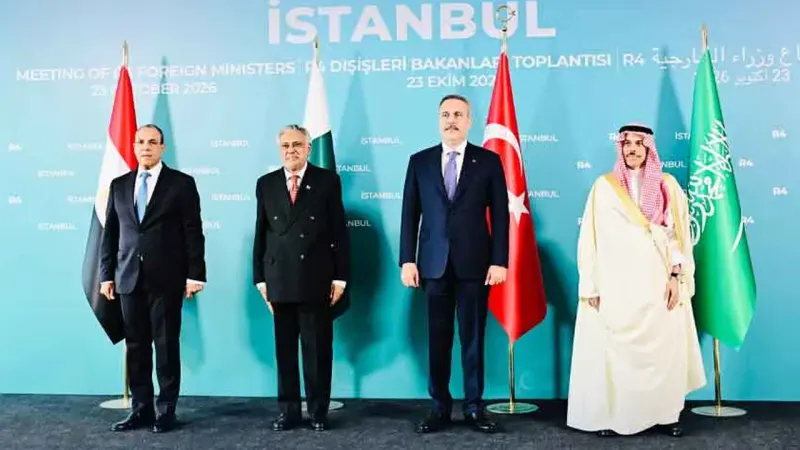
R4, European Nations Call for Dialogue on Middle East
 Middle East
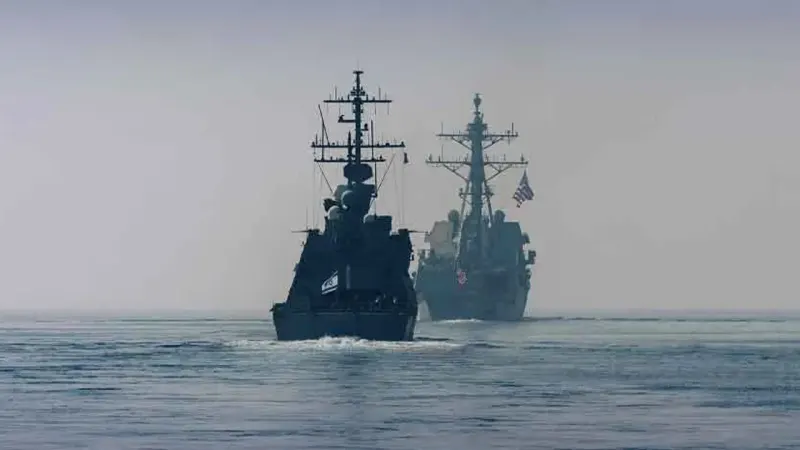
Iran Warns US Warships Against Entering Persian Gulf
 International
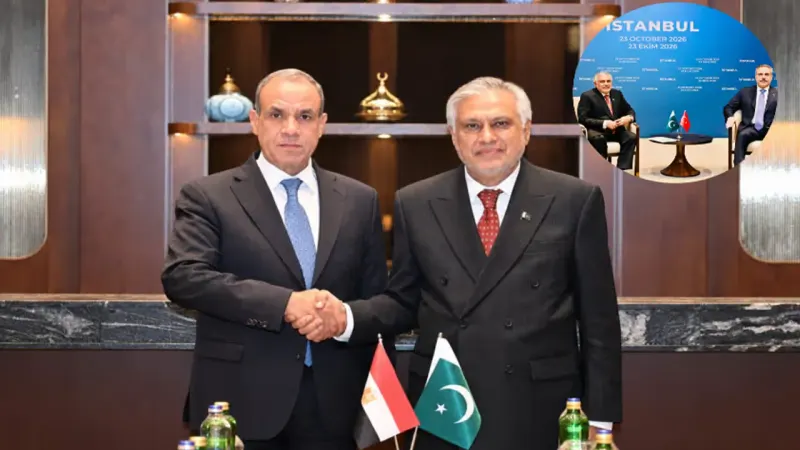
Dar Meets Turkish, Egyptian Counterparts in Istanbul
 International
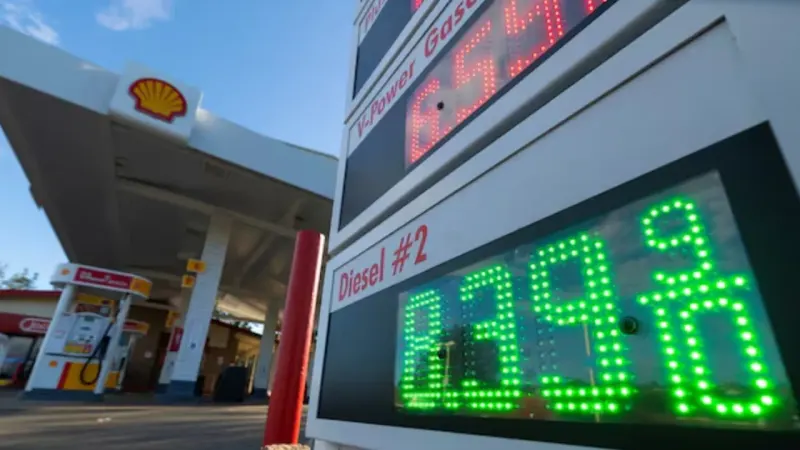
First Russian Diesel Cargo Under US Deal Heads to New York
Middle East