Petrol Price Rises to Rs367.75, Diesel to Rs392.67 Per Litre as Government Announces New Hike
Another Adjustment in Fuel Prices
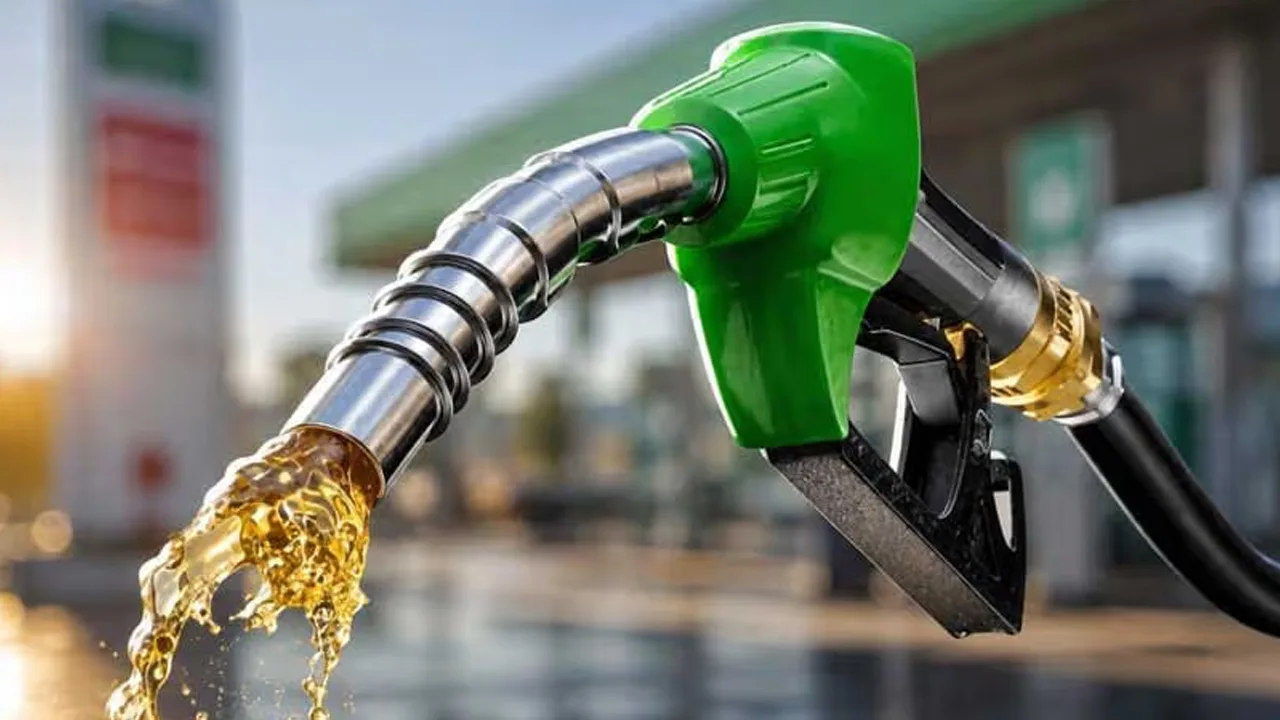
Pakistan raises petrol prices to Rs367.75 and diesel to Rs392.67 per litre, effective September 10, under the latest OGRA-guided pricing review.
Pakistan has raised petrol prices to Rs367.75 and diesel to Rs392.67 per litre, effective 10 September, under the latest OGRA-guided pricing review.
The federal government has revised petroleum prices, increasing rates for both petrol and high-speed diesel from 10 September. This adjustment follows the regular petroleum pricing review process, reflecting ongoing changes in fuel costs that consumers and businesses need to consider.
Fuel price revisions are routine in Pakistan, generally following a mechanism to align domestic fuel costs with market conditions.
Details of the Latest Increase
According to a press release from the Petroleum Division, petrol prices have risen from Rs364.35 to Rs367.75 per litre, an increase of Rs3.40. High-speed diesel prices increased from Rs385.95 to Rs392.67 per litre, a rise of Rs6.72.
This marks another adjustment in a series of periodic fuel price revisions, reflecting market and regulatory influences on domestic petroleum pricing.
How These Prices Are Determined
The Petroleum Division clarified that the revised rates were notified under the government's updated petroleum pricing mechanism. This mechanism relies on assessments by the Oil and Gas Regulatory Authority (OGRA), responsible for reviewing and revising ex-depot prices based on market conditions.
This regulatory process ensures fuel price changes follow a transparent framework, not arbitrary methods.
Understanding the Broader Impact
Petrol and diesel are central to daily economic activity, and price increases impact multiple sectors. High-speed diesel is heavily used by commercial transport operators and in agriculture for machinery.
Increased diesel prices can lead to higher transportation costs, affecting prices of goods and services that rely on efficient transport.
Why Diesel Price Changes Matter So Much
Diesel is critical in Pakistan's economy, used extensively in goods transport, agriculture, and industry. When diesel prices rise, businesses face increased costs, influencing pricing decisions along the supply chain.
This ripple effect can extend beyond transportation, potentially affecting food prices due to diesel's role in agricultural machinery and transporting farm produce.
A Pattern of Periodic Adjustments
Fuel prices in Pakistan are regularly reviewed, allowing the government to respond to global oil markets, currency valuation, and economic indicators. This increase adds to recent adjustments, reflecting the dynamic nature of global energy markets and their influence on domestic fuel costs.
Pakistan's reliance on imported petroleum means international oil prices and currency exchange rates quickly affect local pump prices.
What This Means for Consumers
With new prices effective from 10 September, consumers and businesses must factor in these costs. Commuters may face higher personal vehicle expenses, while businesses relying on transportation may see increased operational costs due to the diesel price hike.
The Role of Regular Pricing Reviews
The formal pricing mechanism overseen by OGRA maintains predictability and transparency in fuel price determination. The government aims to align domestic fuel prices with market costs, despite international fluctuations.
Looking Ahead
As global oil markets fluctuate, further domestic petrol and diesel price adjustments may follow. With the latest increase effective from 10 September, attention will focus on transportation costs, agricultural expenses, and consumer spending.
Fuel price trends will remain a focus for policymakers and the public, given their impact on living costs and key economic sectors.
Related stories
 Oil & Gas
Petrol Price Rises to Rs364.35, Diesel to Rs385.95 Per Litre Under Latest Review
· 2 min read Oil & Gas