Finance Minister Muhammad Aurangzeb Arrives in US for High-Stakes Trade and Tariff Talks
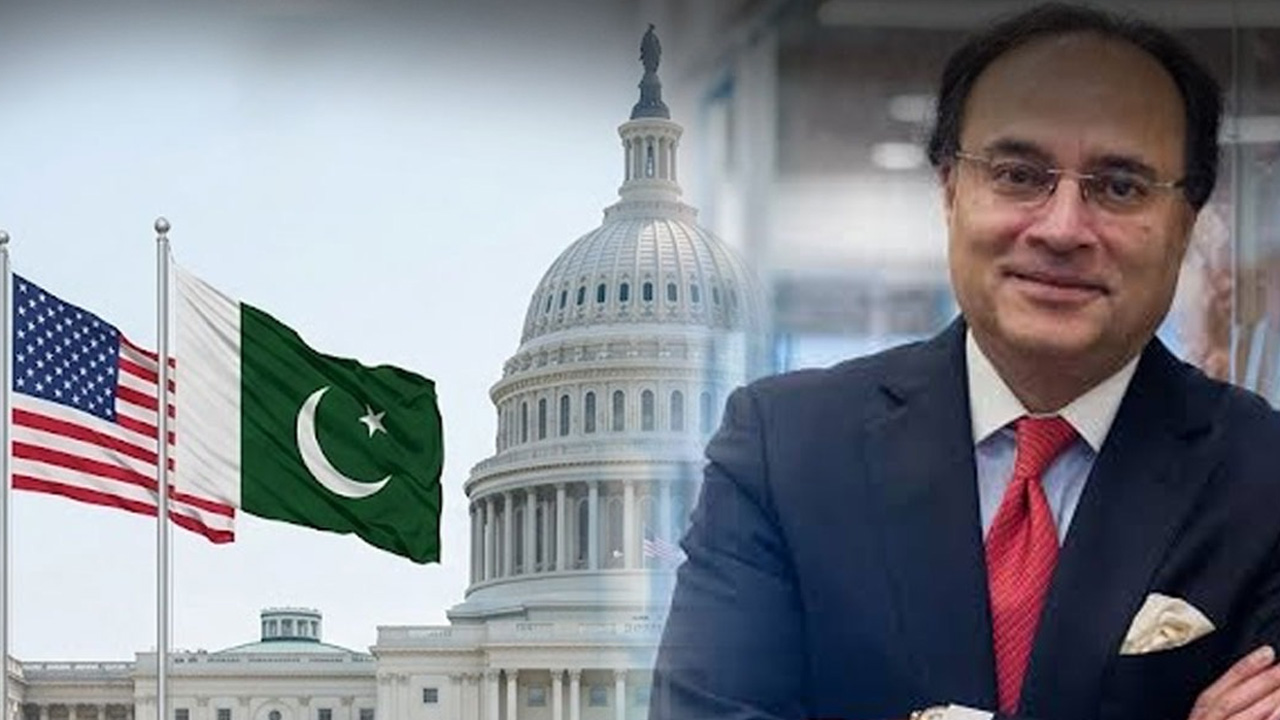
WASHINGTON: Pakistan’s Federal Minister for Finance and Revenue, Muhammad Aurangzeb, has arrived in Washington D.C. on a crucial three-day official visit. The visit aims to resume formal negotiations with United States officials to forge a broader, more resilient bilateral economic partnership.
According to diplomatic sources, Pakistan and the US are set to engage in intense dialogues covering key economic frontiers, including trade, market access, investments, and sovereign finance.
Key Focus Areas and High-Level Meetings
During his tightly scheduled visit, Finance Minister Aurangzeb is slated to hold meetings with top-tier leadership across multiple US economic and trade departments:
Office of the US Trade Representative (USTR): Discussions will primarily focus on establishing a definitive framework for a potential bilateral trade agreement. The talks will heavily deliberate on mutual tariffs, market access for Pakistani goods, and removing trade bottlenecks.
US International Development Finance Corporation (DFC) & Exim Bank: The Minister will explore strategic funding avenues to back vital infrastructure, renewable energy, and private-sector investment ventures in Pakistan.
International Monetary Fund (IMF): Alongside trade talks, meetings with IMF officials will touch upon ongoing economic reforms and macroeconomic stability programs.
Navigating the Tariff Landscape
This crucial visit comes at a time when Pakistan is actively negotiating its position amidst changing US trade policies. Following global tariff adjustments initiated under the US administration, Pakistan has consistently engaged with Washington to seek concessions. From an initial proposed tariff of 29% in early 2025, past Pakistani delegations successfully negotiated a reduction to 19%.
Currently, Islamabad is engaged in discussions regarding temporary global baseline tariffs under Section 122 of the US Trade Act, alongside ongoing USTR Section 301 investigations that affect nearly 60 nations. Pakistan has already submitted its comprehensive legal and trade practices responses to the USTR ahead of these negotiations.
Strategic Significance
The United States remains Pakistan’s largest export destination. This round of talks is viewed by economic experts as a vital opportunity for Islamabad to secure stable market access, counter global tariff pressures, and pitch concessions for American firms—particularly in the energy, IT, and mining sectors.