ISLAMABAD — In a major push to capitalize on its geostrategic location, Pakistan has introduced a series of aggressive trade reforms and alternative transit corridors designed to position the country as an indispensable land bridge connecting South Asia, Central Asia, and the Middle East.
Driven by geopolitical shifts and global maritime instability, the government is executing a dual-track strategy focused on new cross-border frameworks and expanded bilateral trade pacts.
The “Land-Bridge” Initiative: Transit of Goods Order
A cornerstone of this strategy is the recently implemented Transit of Goods Through Pakistan Order, which establishes Pakistan as a critical land alternative amid severe global maritime chokepoint vulnerabilities.
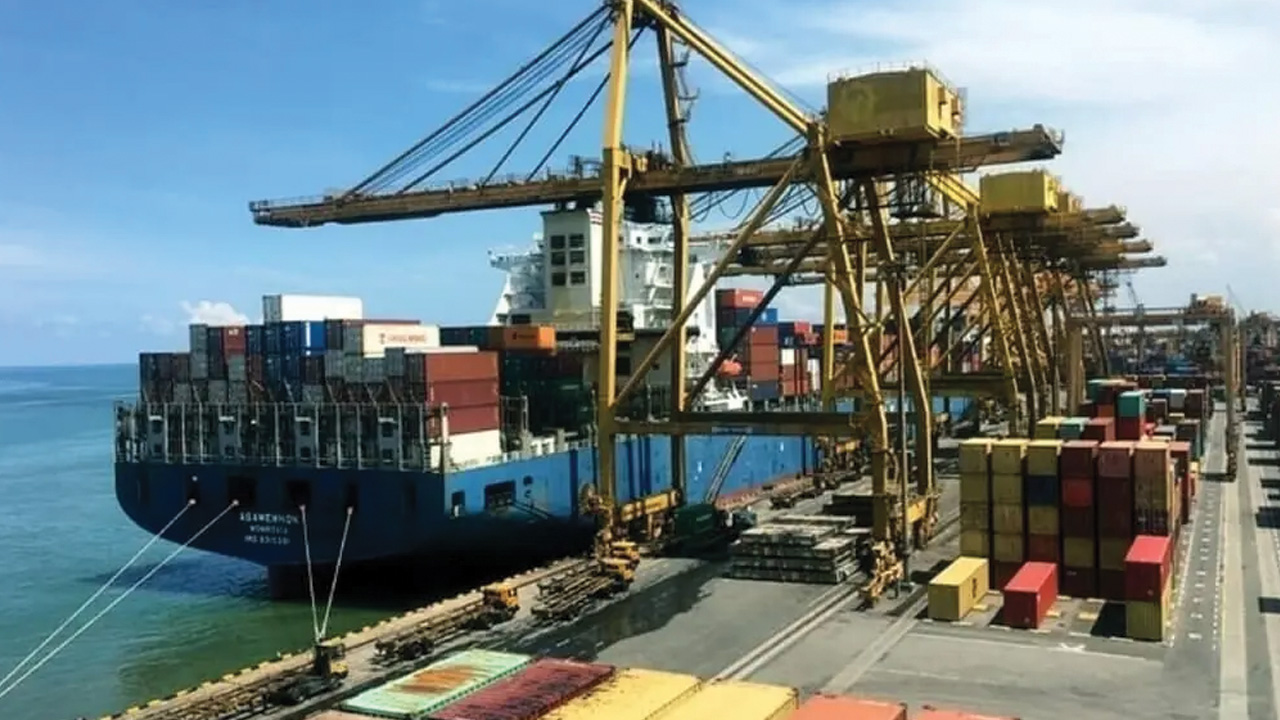
Neutral Multi-Modal Corridors: The new framework formalizes six main transit routes. It allows cargo from international markets to bypass unstable maritime routes by arriving at deep-sea ports like Karachi, Port Qasim, and Gwadar, before moving smoothly by land via the Taftan and Gabd border crossings.
TIR System & Single Window Platform: To align with international standards, Pakistan is leveraging the International Road Transport (TIR) system and its Single Window customs platform. This integration ensures rapid, containerized transit to Europe via Turkey, offering significantly faster transit times than traditional ocean shipping.
Anti-Smuggling Safeguards: The law codifies strict “cross-stuffing” procedures under tight customs monitoring. Shippers must provide encashable financial guarantees equivalent to local duties, effectively removing any profit motive for diverting transit goods into the untaxed local economy.
Deepening Central Asian Connectivity
Pakistan is simultaneously scaling up its economic ties with landlocked Central Asian Republics (CARs), offering them the shortest and most cost-effective access to global open waters.
The Uzbekistan Five-Year Economic Roadmap: Pakistan is finalizing a comprehensive five-year economic plan with Uzbekistan. The roadmap provides a structured framework to dramatically boost investment, logistics infrastructure, and public-private partnerships.
Bypassing Traditional Bottlenecks: Due to security challenges and frequent closures at the Torkham and Chaman border crossings, Central Asian trade flows have successfully adapted. Uzbekistan has begun utilizing new corridors that route through the Gabd-Mandan crossing along the Pak-Iran border, transporting thousands of metric tons of agricultural machinery and industrial raw materials.
Ambitious Bilateral Targets: Building upon the 2021 Transit Trade Agreement and the Preferential Trade Agreement (PTA), Pakistani and Uzbek leaders have urged the private sector to help scale up annual bilateral trade to a target of $2 billion, utilizing high-profile Business-to-Business (B2B) forums to secure joint ventures.
The Economic Forecast: Economists and trade experts note that by transforming its geographic position into a heavily regulated, professionalized transit corridor, Pakistan has the potential to generate up to $3 billion annually in transit and logistics revenue, while significantly accelerating Phase II infrastructure development under CPEC.